Imagine waking up in a panic due to a torrent of water pouring into your home. Or consider returning from a vacation to find your living room awash in water due to a burst pipe. These are nightmares for homeowners that can quickly escalate into financial crises if not handled promptly. This is where the stopcock comes into play – a crucial yet often overlooked item in your plumbing system. Understanding its role isn’t just a matter of plumbing; it’s about protecting your home, your belongings, and even your sanity.
The stopcock acts as the master control for your water supply, allowing you to turn off the flow when emergencies arise or during routine plumbing tasks. This simple valve could save you headaches and damages worth thousands if you know its function and, more importantly, where to find it. In a world where water wastage and leaks contribute significantly to environmental issues and household moisture problems, getting acquainted with the stopcock has never been more essential.
But what exactly is a stopcock, and how does it operate within your plumbing system? Is there just one type, or do you need to be aware of different kinds in your home? Additionally, how can you find your internal and external stopcocks quickly? Each question opens the door to understanding why this tiny device holds immense power over your water supply. Let’s dive in!
The Basics of a Stopcock: Definition and Function
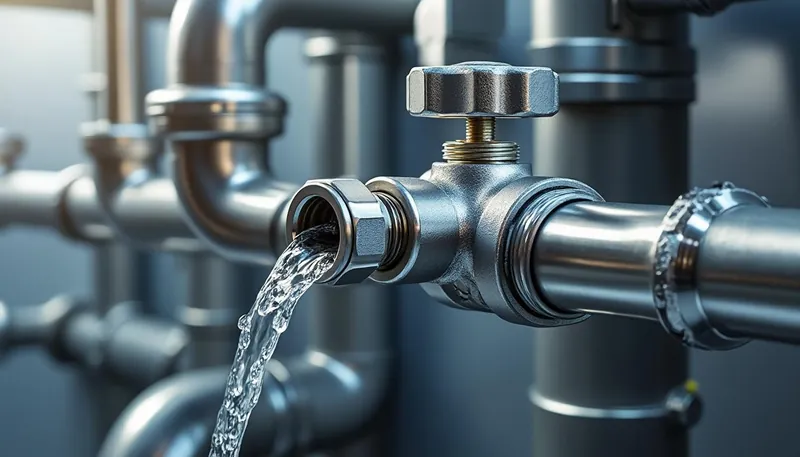
A stopcock is a type of valve that regulates the flow of water through your home’s plumbing system. Technically speaking, it can be described as an isolation valve or a shut-off valve. Its primary duty is straightforward: to allow you to stop the water supply in case of emergencies or maintenance needs. You may find stopcocks in various locations within your property, including internal and external points.
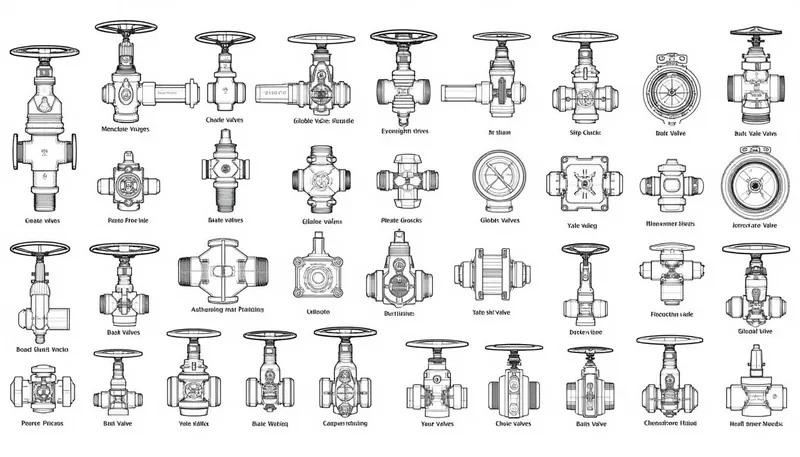
This handy device comes in various types, and each has its specific applications. Some common types include:
- Ball valves: Known for their durability and ease of use. These utilize a sphere with a hole in the middle that rotates to open or close the water flow.
- Gate valves: More suitable for fully opened or fully closed positions, these valves are generally used for water supply lines in residential settings.
- Butterfly valves: These are primarily used in larger systems where you need to manage significant flow volumes, making them prevalent in industrial applications.
Here’s a table summarizing the types of stopcocks:
| Type | Mechanism | Best for |
|---|---|---|
| Ball Valve | Rotating ball | Fast on/off control |
| Gate Valve | Gate-like mechanism | Full flow control |
| Butterfly Valve | Rotating disk | Large flow applications |
Each of these types has its advantages and disadvantages, depending on the specific needs of your plumbing system. For instance, while a ball valve may provide quicker control, a gate valve may offer a more gradual flow adjustment. Understanding these differences can be essential when selecting the right valve for different areas of your plumbing system.
How to Locate Your Stopcock: Tips and Tricks
Knowing that a stopcock exists is one thing, but being able to locate it in a flash is crucial, especially during an emergency. Most houses are fitted with two primary stopcocks: an internal one that manages the water coming in, and an external one that controls the supply from the main line.
The external stopcock is usually located outside your house, often marked by a cover that reads “water” or something similar. It can be found in one of several common locations:
- The front or back garden, especially if you have a communal system.
- On the street near the boundary of your property – typically buried beneath a metal cover.
- In some cases, near your property’s foundation.
On the other hand, finding the internal stopcock can be a bit trickier. If your home has been renovated or is older, it might be hidden. Here are some common places to check:
- Under the kitchen sink
- In a bathroom cupboard
- By the gas meter or in a utility room
- Under stairs or in basements
Once you’ve located your stopcock, it’s essential to ensure that it works correctly. Many homeowners neglect to check the functionality of their stopcocks until it’s too late. To test it, simply turn it clockwise to see if it shuts off the flow effectively.
Here’s a quick checklist for locating and testing your stopcock:
- ✅ Check the listed locations
- 🔍 Ensure the area is accessible
- ⚙️ Test the functionality
Familiarizing yourself with these aspects can significantly reduce the stress and chaos associated with plumbing emergencies.
Stopcock Maintenance: Keeping Things Flowing Smoothly
Regular maintenance of your stopcock is crucial to ensure it remains functional when you need it most. A stopcock that hasn’t been touched for years may be stiff or even stuck due to corrosion or mineral build-up. Not only can this make you lose valuable seconds in an emergency, but it might also require a professional plumber to resolve the issue.
Here’s a checklist of maintenance tasks to keep your stopcock in prime condition:
- 🔧 Visually inspect the stopcock for signs of rust or corrosion.
- 💦 Lubricate with a silicone-based spray if it feels stiff.
- 🌡️ Ensure the area around the stopcock is free from debris and moisture.
- ⏳ Perform a regular function test, at least once a year or after any plumbing work.
Moreover, maintaining your stopcock not only benefits your plumbing system but also promotes water conservation. For instance, if there’s a significant leak, you can quickly shut off the water supply and address the issue promptly without flooding your home.
Additionally, regular maintenance can minimize the risk of needing a complete stopcock replacement, which can become more expensive in the long run.
Consider this table for tracking maintenance tasks:
| Task | Frequency | Notes |
|---|---|---|
| Visual Inspection | Monthly | Check for signs of wear |
| Function Test | Annually | Ensure proper flow control |
| Lubrication | As needed | Use silicone-based lubricants |

Emergency Situations: Responding Quickly with Your Stopcock
Understanding how to effectively use your stopcock in an emergency is vital for preventing extensive water damage. In the unfortunate event of a leak or burst pipe, having knowledge of your stopcock can save you time, money, and stress. Here’s how to react swiftly when you face a plumbing dilemma.
First and foremost, locate your internal stopcock without delay. Generally, you will want to shut off the water from the supply line as soon as possible. Once you find it, turn it clockwise to stop water flow. Second, you’ll need to assess the situation.
- 🔍 Identify the source of the leak.
- 🛠️ If you’re capable, perform quick patchwork to minimize damage.
- 📞 Call in a plumber if the leak persists or if you’re unsure what to do next.
If your property’s flooding at an alarming rate, don’t hesitate. Each second can count, especially in severe cases. Always have a plan laid out beforehand – it helps to visualize what actions you’ll take should a crisis arise. This preparedness can help you stay calm in a nerve-wracking situation.
Below is a quick response guide:
| Action | Description |
|---|---|
| Shut off stopcock | Turn clockwise to prevent further water flow |
| Identify leak source | Is it a pipe, faucet, or appliance? |
| Call professional | If in doubt, don’t hesitate to reach out for help |
Having a stopcock at your disposal is a tremendous asset, especially when it comes to safeguarding your home and belongings from potential pooling water.
What is the main purpose of a stopcock?
The primary purpose of a stopcock is to control water flow in a plumbing system, allowing users to turn off the water supply during emergencies or maintenance.
How often should I check my stopcock?
It’s recommended to check your stopcock and its functionality at least once a year, or whenever plumbing work is performed.
Where is the most common location for an internal stopcock?
Internal stopcocks are often found under sinks, in bathrooms, or in utility rooms.
What types of materials are stopcocks made from?
Typically, stopcocks are made of materials like brass, copper, or stainless steel, depending on their application.
How do I know if my stopcock is working properly?
To test if your stopcock is working, turn it and check if water flow stops; if it feels stiff or stuck, it may require maintenance or lubrication.