When it comes to home maintenance, plumbing is often the unsung hero of our daily lives. It works tirelessly behind the scenes, granting us access to necessities like clean water and effective waste removal. Yet, many homeowners overlook the importance of keeping their plumbing system updated. Outdated plumbing can lead to a plethora of problems, from compromised water quality to unsightly leaks that can wreak havoc on your home. Knowing how to identify whether your plumbing is outdated is crucial for maintaining a safe and efficient living environment. Let’s dive into the signs that might indicate it’s time for an upgrade.
In brief:
- 🛠️ Discolored Water: Rusty or brown hues can be a red flag for corrosion in your pipes.
- 🕳️ Frequent Leaks: Recurring leaks typically point to deeper, systemic issues within the plumbing system.
- 💧 Low Water Pressure: A sudden drop could signify blockages or damage in older pipes.
- 🔊 Noisy Pipes: Banging or rattling sounds often hint at major problems developing within your plumbing.
- 🗓️ Age of Your System: Knowing the materials and age of your plumbing lets you assess potential risks.
Signs Your Plumbing Pipes May Be Outdated or Need Replacement
So, how can you tell if your plumbing is starting to show its age? Here are some clear indicators that you should watch for.
1. Discolored Water 🚰
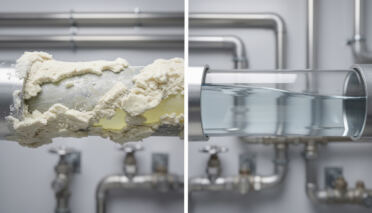
When you turn on the tap and notice brown, yellow, or rusty water, it’s an urgent call for attention. This discoloration often results from corrosion within older pipes, especially those made from galvanized steel or cast iron. Corrosion occurs over time, causing rust to accumulate within the pipes and eventually making its way into your water supply, posing health risks and affecting taste.
Here’s a quick checklist for dealing with discolored water:
- 🔍 Visual Inspection: Check faucets and hose bibs to see if the discoloration is consistent.
- 🚫 Avoid Consumption: If the water is discolored, refrain from drinking or cooking with it until assessed.
- 🛠️ Contact Professionals: A plumber can evaluate the situation and recommend the necessary steps.
2. Frequent Leaks 💦
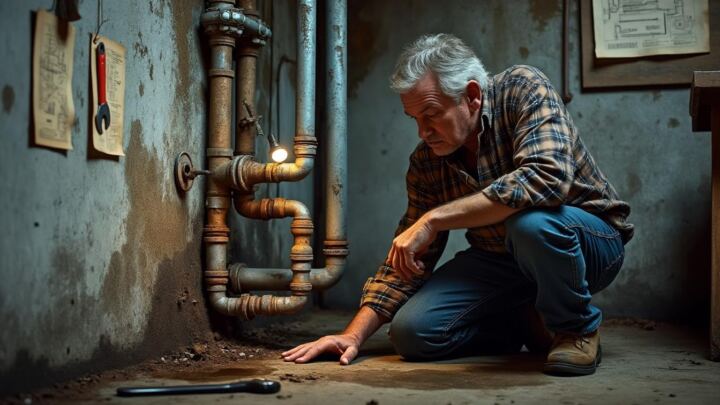
Single leaks might seem manageable, but if you find yourself dealing with them often, it’s a sign that your plumbing is in distress. As pipes corrode or wear out, cracks and weak spots tend to develop. Frequent repairs not only cost money but can also indicate systemic issues that need to be addressed immediately.
To tackle leaks effectively, consider these steps:
- 📅 Keep a Log: Document when and where leaks occur.
- 🔧 Fix Small Leaks Promptly: Don’t let minor drips turn into larger problems.
- 🏠 Evaluate Your Entire System: This may indicate wider issues with your plumbing infrastructure.
3. Low Water Pressure 🚽
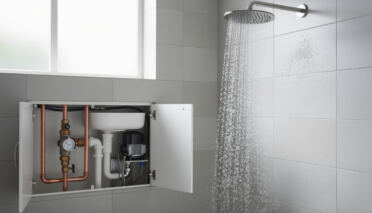
A sudden drop in water pressure can be extremely frustrating, impacting your daily routine. This issue often arises from blockages or corrosion in older pipes, resulting in poor water flow. If multiple fixtures in your home show reduced water pressure, it’s time to investigate further.
You can troubleshoot water pressure issues as follows:
- 🌊 Check Individual Fixtures: See if the problem is localized or widespread.
- 🧹 Inspect for Buildups: Mineral buildup might be restricting flow.
- 🛠️ Consult with a Plumber: A professional can evaluate and fix underlying causes.
4. Noisy Pipes 🔊
Hearing strange sounds from your plumbing? Banging, clanking, or whistling noises can be signs of loose connections, improper water pressure, or deterioration of pipe materials. Ignoring these sounds might lead to significant issues, so early assessment is crucial.
To manage noisy pipes, consider these actions:
- 🔧 Secure Loose Pipes: Tighten any loose fittings to minimize movement.
- ⚖️ Balance Water Pressure: Installing pressure regulators can regulate water flow more smoothly.
- 📞 Professional Assessment: If the sounds persist, consult a plumbing expert for more drastic measures.
5. Age of Your Plumbing System 🗓️
The age and material of your plumbing system play a fundamental role in determining its condition. Homes built before the 1980s often feature piping made from outdated materials that more easily corrode. If your home is older and you haven’t updated the plumbing, it might be time for a complete evaluation.
Keep the following in mind when assessing the age of your plumbing:
- 🧵 Identify Pipe Material: Know if you have galvanized steel, copper, or PVC.
- 🎯 Check Installation Dates: Look for any installation dates left by contractors.
- 🔍 Set Up Inspections: Having a regular plumbing inspection helps maintain the system’s health.

How To Tell If Your Plumbing System is Outdated and Needs Replacing
Now that we’ve identified the signs that may indicate your plumbing is outdated, let’s dive deeper into the characteristics of unhealthy plumbing systems and explore alternatives.
Understanding Your Pipe Types and Lifespan 📊
Each type of plumbing material comes with its own lifespan and set of characteristics. Learning the differences can help you make informed decisions when it comes to replacements or repairs.
| Pipe Material | Typical Lifespan | Issues to Watch For |
|---|---|---|
| Galvanized Steel | 20-50 years | Corrosion, leaks |
| Copper | 50-70 years | Corrosion, pinhole leaks |
| Brass | 40-70 years | Corrosion, dezincification |
| PVC | 25-40 years | Cracks, brittleness |
| PEX | 40 years or more | UV degradation, punctures |
Consulting with Professionals 💼
If any of these indicators resonate with you, it’s recommended to consult a plumbing professional. A reputable plumber can conduct a thorough assessment, without any biases, recommending necessary repairs or outright replacements based on the condition of your plumbing. They will also provide valuable insights into modern materials that enhance longevity and performance, such as Moen or Kohler fixtures.
Ultimately, staying ahead of the game with proactive plumbing maintenance will ensure a safer and healthier living environment. Ignoring plumbing issues can lead to much costlier repairs down the line.
Proactive Maintenance to Prevent Plumbing Issues 🛠️
While you can’t stop your plumbing from aging, there are ways to extend its lifespan and prevent serious issues:
- 🔍 Regular Inspections: Schedule routine assessments with your plumber.
- 🚰 Pipe Replacement: Consider replacing outdated materials with modern, durable choices like Delta Faucet or American Standard.
- 📉 Monitor Water Pressure: Maintain pressure within acceptable limits to avoid stress on pipes.
- ⚡ Address Minor Problems Early: Don’t let small inconveniences snowball into bigger issues.
DIY Tips For Homeowners 👷♂️
Taking care of your plumbing doesn’t have to solely rely on professionals. With a few preventive actions, you can maintain your system effectively!
Here’s a practical list of DIY tips:
- 🛠️ Check for Signs of Leaks: Regularly inspect for damp spots or water stains on walls and ceilings.
- 🌡️ Temperature Management: Ensure your water heater settings are optimal—around 120 degrees Fahrenheit is best.
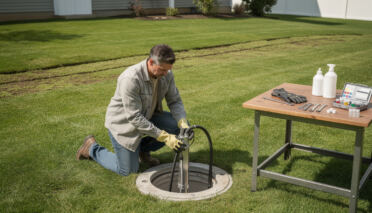
- 🧼 Clean Drainage: Regularly unclog and clean residue from your drains using natural solutions like baking soda and vinegar.
- 🧴 Seal Cracks: Use sealants around pipe joints to prevent moisture intrusion.
What To Do In An Emergency 🆘
In case of a plumbing emergency, being prepared can make all the difference. Have a game plan in place to mitigate damage:
- 📞 Emergency Contact List: Keep a list of local plumbing services handy for quick access.
- 🔒 Shutoff Valves: Know the location of your main water shutoff valve. In an emergency, this can save you from significant water damage.
- 🧽 Clean Up: Address flooding or leaks quickly to minimize damage to your home.

How often should I have my plumbing inspected?
It’s advisable to schedule inspections every two years, or annually if your plumbing system shows problems.
Can I replace pipes myself or should I hire a professional?
While minor repairs can be done by handy homeowners, it’s best to hire a professional for pipe replacements to ensure compliance with building codes.
What are the signs of failing water heaters?
Signs include discolored water, unusual noises, and fluctuating water temperatures.
Is repiping always necessary?
Not necessarily. A professional assessment will help determine if relining or repairs can be a viable alternative.
How can I improve water quality in my home?
Consider installing filtration systems, replacing old pipes, or regularly cleaning plumbing fixtures.