Understanding the intricacies of your home’s plumbing system is essential for every homeowner. Knowing where the main water line enters your property can save you precious time and money during emergencies or renovations. Whether you’re dealing with low water pressure or potential leaks, identifying the location of the water line is crucial. Here, we’ll break down various methods to help you accurately pinpoint this vital pipeline without resorting to intensive digging.
In brief:
- 🏡 Use basic tools like garden hoses and tape measures to trace your water line.
- 🔍 A plumbing blueprint can provide valuable insights into your plumbing system.
- 💡 Modern technology such as ground penetrating radar simplifies the process.
- 🚜 Professional help can prevent potential damage and costly repairs.
- 📏 Always adhere to safety precautions while exploring your property’s plumbing.
Techniques to Discover Your Property’s Main Water Line
Identifying your main water line doesn’t have to involve a tedious search or heavy digging. Several techniques can help simplify the job. Below, we will discuss ten effective methods you can employ to locate this critical component of your home’s plumbing system:
Utilizing a Garden Hose
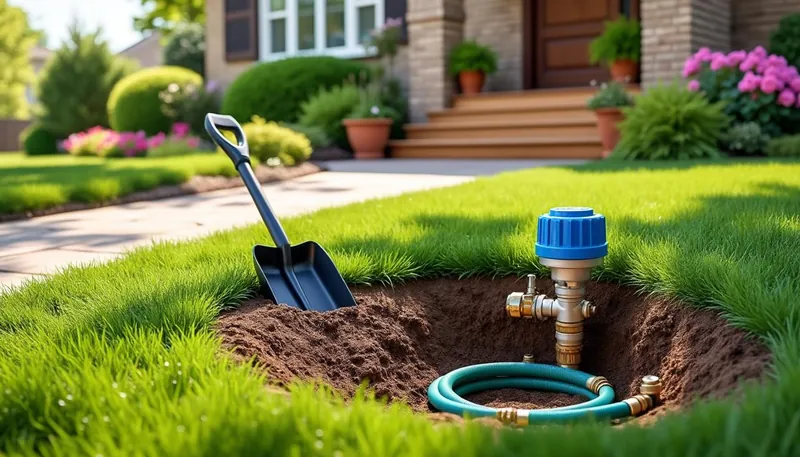
One of the most straightforward ways to find your water line is by using a garden hose. Start by turning off all taps in your home. After that, connect one end of the garden hose to an outdoor spigot and turn on the faucet. As you walk around the perimeter of your property, pay attention to any spots where the hose appears taut or bulging. This typically indicates the presence of a water line running below.
Employing a Metal Detector or Pipe Locator
If you’ve got access to a metal detector or pipe locator, these can be invaluable in your search. By walking around your property with these devices, they send out electromagnetic signals that can detect buried metal objects, helping you to find the main pipeline easily.
Consulting Your Plumbing Blueprints
If you have plumbing blueprints available, they can be a treasure trove of information regarding the layout of your water lines. Look for details that indicate the entry point of your main water line. This can save you immense time by narrowing down your search area considerably.

Digging Small Test Holes
In some cases, a little digging might be necessary. Use a shovel or a digging tool to carefully excavate small areas where you suspect the water line may be located. If you notice any wet or soggy spots in your yard, it could indicate a line leak nearby. However, be cautious not to dig randomly, as you may hit other underground utilities.
Looking for Above-Ground Water Line Markers
Some utility companies place markers above ground to indicate the location of underground pipelines. These markers can be simple flags or signs and can provide crucial clues about where to look. Even if your area doesn’t have discernible markers, it’s wise to check for them—you’d be surprised at how often they’re overlooked!
Advanced Techniques to Pinpoint the Water Line
After exhausting the basic methods, consider some more advanced techniques for locating your main water line. These methods leverage modern technology and neighborly wisdom to yield results.
Engaging with Neighbors
Don’t underestimate the power of community knowledge! Talk to your neighbors to learn about their water lines. If homes in your area are similarly designed, their insights could save you time. They may offer experience-based suggestions, such as where their own lines run or tips they picked up from similar searches.
Utilizing a Tape Measure
If you know roughly where your water line is located, a measuring tape can help establish precise distances to other landmarks, making it easier to track. This technique pairs especially well with plumbing blueprints, allowing you to cross-reference measurements.
Exploring the Water Meter Location
Your water meter is often a tell-tale sign of where the main line enters your property. If you live in an older home, the water meter may be situated closer to the street. By identifying its location, you can usually trace the main line back to where it enters your house.
Hiring a Professional Service
When all else fails, it might be time to bring in the professionals. Hiring a plumber or a water line locating service can be a more pricey option, but it ensures that you avoid hitting other utilities and creating costly damage. It’s often worth the investment for peace of mind.
Leveraging Modern Technology
The rise of technologically advanced solutions has brought about methods like ground penetrating radar (GPR). GPR uses radar pulses to generate images of underground objects, including pipes. This method, while having a higher upfront cost, will require professionals but can be a game-changer in pinpointing your water lines efficiently.

Common Mistakes to Avoid While Locating Water Lines
While searching for your water line, making common mistakes can lead to added frustration or potential damage. Here’s a list of pitfalls to steer clear of:
- ❌ Random digging: This can damage your property and disrupt other pipes.
- 🔍 Ignoring available plumbing plans: These can save you time and effort.
- 🚰 Forgetting to turn off indoor water sources: This can skew your results.
- 🥱 Giving up early: Stay persistent; sometimes locating that line can take longer than expected.
- 📝 Overlooking neighborly advice: Your neighbors may have valuable insights.
Frequently Asked Questions
Can I Use a Metal Detector to Find My Water Line?
While metal detectors can help find metallic objects underground, they may only sometimes be accurate when locating plastic water pipes. It’s best to use multiple techniques for the most accurate results.
How Deep Are Water Lines Usually Buried?
The depth can vary, but water lines are generally buried at least 18 inches deep to protect against freezing. In warmer climates, they may be closer to the surface.
Should I Always Hire a Professional to Locate My Water Line?
It’s your call, depending on comfort level. If you’re unsure or lack experience, hiring a professional is generally safer and cost-effective.
What Are the Signs of a Leak in My Water Line?
Common signs include wet spots in your yard, unusually high water bills, or a sudden drop in water pressure.
How Much Will It Cost to Hire a Professional?
Costs can vary widely, but expect to pay anywhere from $100 to $400, depending on the complexity of the job and your location.