In homes around the world, knowing how to manage your water supply can save you from countless headaches. Imagine facing a plumbing disaster or needing to undertake repairs, and suddenly you realize you don’t know how to shut off the water. The urgency of the situation can leave many feeling flustered. Being familiar with your water supply and its shut-off mechanisms isn’t just a handy skill for homeowners; it could also prevent costly damages and hefty bills from sudden leaks. Whether you’re prepping for a renovation or dealing with an emergency, mastering this skill is key.
Here’s what you need to know in a nutshell:
- 🛠️ Identify the right types of shut-off valves in your home.
- 💧 Learn how to safely turn off water to various fixtures, including sinks, toilets, and washing machines.
- 🏠 Understand the location and function of your main water shut-off valve.
- 🔧 Keep essential tools like pliers on hand for those pesky valve handles that won’t budge.
- ⏰ Timely action can prevent extensive water damage—know your valves!
Understanding Your Home’s Water Shut-Off Systems
Before diving into the mechanics of shutting off water, it’s essential to understand the different types of valves available in homes. Most residences have a combination of main shut-off valves and individual fixture valves, designed to give you control over water flow at various points in your plumbing system.
The Main Shut-Off Valve
The main shut-off valve controls the water supply for your entire home. This essential valve is usually located where the main water line enters your residence — often in basements, utility rooms, or near the water meter. It’s crucial to locate this valve, as it can turn off the water to the entire house, ensuring that any urgent plumbing issues or renovations can be handled without ruining your carpets or causing flooding.
When it comes to identifying this valve, there are typically two main types:
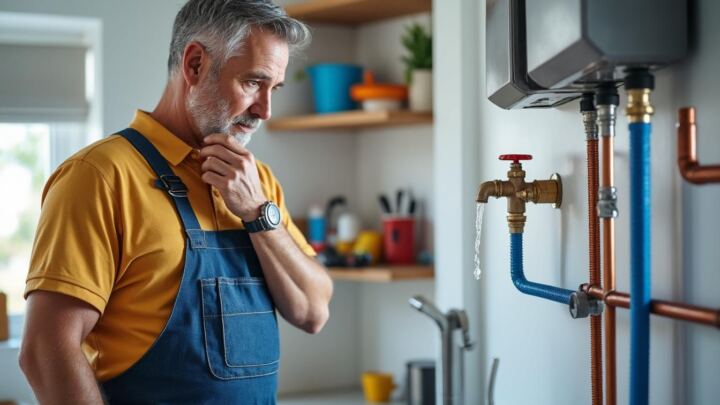
- 🔘 Gate Valve: Often shaped like a wheel, these valves need to be turned clockwise to shut off the flow completely.
- 🔲 Ball Valve: Recognizable by their lever handles, you can simply turn the lever 90 degrees to stop the water.
Familiarizing yourself with the main shut-off valve can be invaluable, especially in emergencies. Image having a bathroom flood while you scramble to locate it! The next step is to focus on the various fixture valves throughout your home.
| Type of Valve | Typical Location | Action to Shut Off |
|---|---|---|
| Main Shut-Off Valve | Near main water line entering the home | Turn clockwise (or lever 90 degrees) |
| Individual Fixture Valve | Under sinks, toilets, or behind appliances | Turn clockwise until stopped |
Shutting Off Water to Individual Fixtures
For situations where you need to repair a sink, toilet, or appliance, there’s often no need to turn off the main supply. Most plumbing fixtures in homes built after the 1950s are equipped with individual shut-off valves.
Turning Off a Sink Faucet
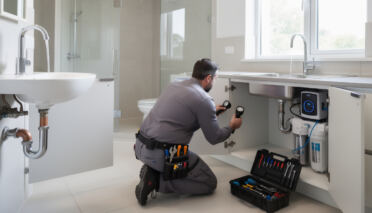
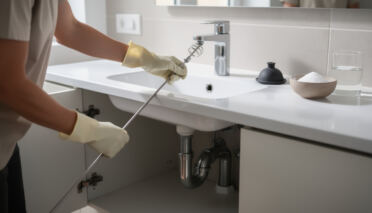
To locate the sink’s shut-off valves, check under the kitchen or bathroom sink. Typically, you’ll find two valves (one for hot and one for cold water) connected to the water supply tubes serving the faucet:
- 🔧 Identify the Stop Valves: These may be chrome-plated or plastic valves.
- 🔄 Turn Them Off: For a single-handle faucet, ensure both valves are turned off by twisting them clockwise.
Dealing with Toilets
Toilets have a simpler setup. They typically have one valve known as a “stop valve.” Here’s how to shut it off:
- 🔍 Locate the Toilet Stop Valve: This is usually found on the wall behind the toilet.
- 🔃 Shut It Off: Turn the valve clockwise until it can’t turn anymore. If it’s stubborn, use a pair of pliers or a wrench, wrapped in a cloth for a better grip.
| Fixture Type | Valve Type | Shut-Off Steps |
|---|---|---|
| Sink Faucet | Two Stop Valves | Turn both clockwise |
| Toilet | Single Stop Valve | Turn clockwise |
Handling Other Fixtures Like Washing Machines
Whether it’s a washing machine, dishwasher, or water heater, each usually possesses a dedicated valve for easy shut-off. Knowing how to turn off water to these appliances can greatly simplify repairs and lessen the mess.
Shutting Off Water to a Washing Machine
For washing machines, it’s typically straightforward:
- ⚙️ Identify the Supply Valves: Usually, you’ll see two valves (one for hot and one for cold) resembling outdoor hose bibs.
- 🚶♂️ Turn Off Both Valves: Rotate them clockwise to stop the flow of water.
- 🔍 Condensed Tip: If your washing machine has a lever valve, simply pull it down to shut off both hot and cold flows.
Water Heater Shut-Off
If you’re looking to work on your water heater or facing an issue there, you need to turn off the cold water supply:
- 📌 Locate the Cold Water Valve: This is positioned above your water heater.
- 🔄 Action: If it’s a circular valve, turn clockwise; if it’s a lever, just turn it 90 degrees.
| Appliance Type | Valve Type | Shut-Off Steps |
|---|---|---|
| Washing Machine | Two Supply Valves | Turn both clockwise |
| Water Heater | Cold Water Supply Valve | Turn clockwise / 90 degrees |
Shutting Off Main Water Supply for the Entire Property
In some cases, especially if you can’t locate individual shut-off valves, you may need to resort to turning off the main supply for the whole house.
Finding the Main Shut-Off Valve
This valve is generally placed near the main water line, close to where it enters your residence. Be aware that the valve may be located outside in milder climates or indoors in freezing climates. Follow these steps:
- 🔎 Locate the Valve: Often near a water meter, just outside your home or in the basement.
- 🔐 Shut It Off: Turn it clockwise until it stops, or turn the lever 90 degrees.
If you have a main valve that appears frozen, you can use a small amount of lubricating oil to help freely turn the mechanism.
Dealing with External Shut-Offing
For properties with outdoor sprinkler systems or hose faucets, locate the main valve for your entire property, which you can typically find near your water meter. Again, remember to turn it clockwise until completely off, just ensure it’s fully closed or fully open, avoiding any partial openings.
| Shut-Off Type | Typical Location | Action to Shut Off |
|---|---|---|
| Main House Valve | Near water meter or main line | Turn clockwise until stopped |
| External Property Valve | Near water meter, outside | Turn clockwise until stopped |
Regular Maintenance and Awareness
Being aware of these elements can be crucial in emergencies where time is of the essence. Set a reminder every year to inspect and test your valves, ensuring they turn smoothly. Brands like Moen, Kohler, Delta, American Standard, and Grohe often produce attractive and durable fixtures, but even the fanciest valve can jam if neglected.
Remember, if you’re unsure about anything, don’t hesitate to reach out to a professional plumber for advice and assistance. Protecting your home from potential leaks and plumbing catastrophes is paramount, and understanding your water supply is the first step.
What should I do if I can’t find my shut-off valve?
If you’re struggling to locate the shut-off valve, try looking near your home’s water meter, which is usually accessible from the street or an outside wall.
Can turning off the water supply affect my appliance?
Typically, turning off the water supply to a specific appliance will not cause issues, but ensure to follow the right procedures for each device.
Do all homes have a main shut-off valve?
Yes, all homes should have a main shut-off valve to control the water supply to the entire property; if yours is missing, consider having one installed.
What tools may I need to shut off water?
Tools like pliers, wrenches, or even stone oil to lubricate stubborn valves can help you effectively shut off the water supply.
Is it complicated to shut off water supply?
No, it’s relatively simple as long as you know where everything is located; just follow the steps outlined in this guide!