In brief
- 🧪 Treat plumbing chemicals like jobsite power tools: useful, but unforgiving when rushed.
- 🧤 Match personal protective equipment to the product (not to your comfort): splash risk, fumes, and burn potential matter.
- 💨 Prioritize ventilation and avoid “mystery mixes” to support toxic exposure prevention.
- 🏷️ Use clear hazard communication: labels intact, SDS accessible, and everyone knows what’s in the bottle.
- 📦 Lock down chemical storage: original containers, cool/dry areas, and separation of incompatibles.
- 🚿 Rehearse emergency procedures (eyes, skin, inhalation) so you don’t improvise under stress.
- 🧰 Keep the whole scene safe: stable work area, correct tools, and no shortcuts around pressurized or contaminated lines.
The plumbing aisle looks harmless until you remember what’s actually on those shelves: acids, caustics, solvents, oxidizers, and concentrated disinfectants—basically a chemistry set designed to dissolve problems fast. That’s great when you’re clearing a line or cleaning scale, but it’s also how people end up with burned forearms, irritated lungs, and ruined floors because someone “just tried a little extra” in a tight bathroom with the door closed. The tricky part is that plumbing work rarely happens in a controlled lab. It happens in cramped basements, under sinks, inside mechanical rooms, and sometimes in places that smell like trouble before you even open a cap.
This is where solid safety precautions stop being “nice-to-have” and start being your edge—especially when you’re juggling time pressure, clients watching, and a stack of unknowns like old leaded joints, moldy cavities, or a drain that’s been hit with three different products already. To keep the story grounded, we’ll follow a fictional small crew—Riverside Plumbing—because their jobs look like most real jobs: busy, messy, and absolutely manageable when you set up the right habits.
Understanding Plumbing Chemical Risks: Burns, Fumes, and Hidden Jobsite Hazards
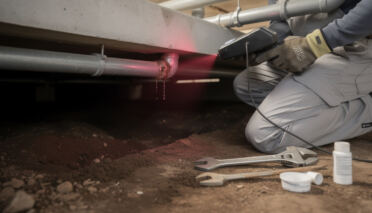
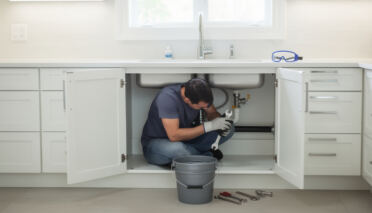
Before you even talk about technique, you need a clear picture of what can go wrong. Riverside Plumbing learned this the hard way on a routine kitchen stoppage. A homeowner had already poured in a drain opener, waited an hour, then added “something else” from under the sink. When the tech loosened the trap, the splash wasn’t just gross—it was chemically active. That’s the real-world version of why chemical handling rules exist.
One big risk category is chemical burns. Many drain openers are strongly alkaline (caustic) or acidic, and both can damage skin quickly. Burns aren’t always instant pain, either. Some exposures start as a “slippery” feel or mild tingling, then escalate after you’ve already kept working.
Another category is inhalation hazards. Solvent-based primers and cements for plastics, adhesive removers, descalers, and even certain disinfectants can release vapors that irritate airways or cause dizziness. Poor ventilation turns a small task into a breathing problem, especially in bathrooms with no windows or in mechanical closets.
Then there are the “surprise” hazards that don’t show up on the bottle. Old buildings can hide lead-containing materials or dust from legacy plumbing components. Cutting, sanding, or heating old sections can produce contaminated dust or fumes, so toxic exposure prevention is as much about the building as the product.
Why “common” plumbing chemicals still deserve respect
People get casual because they’ve used these products for years. But familiarity is exactly what makes risk creep in. A drain opener doesn’t care if you’ve been doing this since your apprenticeship—if it hits your eyes, it’s an emergency.
Keep the risk picture simple: if the label mentions corrosive action, respiratory irritation, flammability, or “do not mix,” treat it like a high-consequence material. That mindset alone reduces accidents.
Job conditions that amplify chemical danger
Chemicals behave differently depending on the scene. Warm, humid spaces can intensify fumes. Tight cabinets make it hard to keep your face away from the work. Wet floors increase slip risk right when you’re carrying an open container.
The insight to carry forward: chemicals are only half the equation—your environment is the multiplier.
Personal Protective Equipment for Plumbing Chemicals: Picking Gear That Actually Works
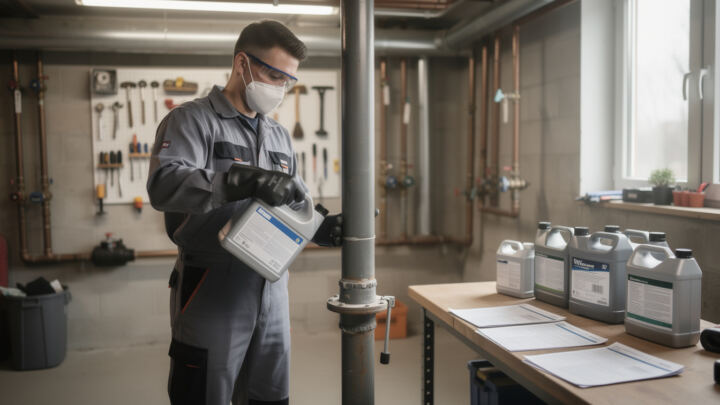
Let’s talk protective gear without the fantasy that one pair of thin gloves solves everything. Riverside Plumbing keeps a small “chem pack” in each van because hunting for the right gear mid-job is how you end up using the wrong gear.
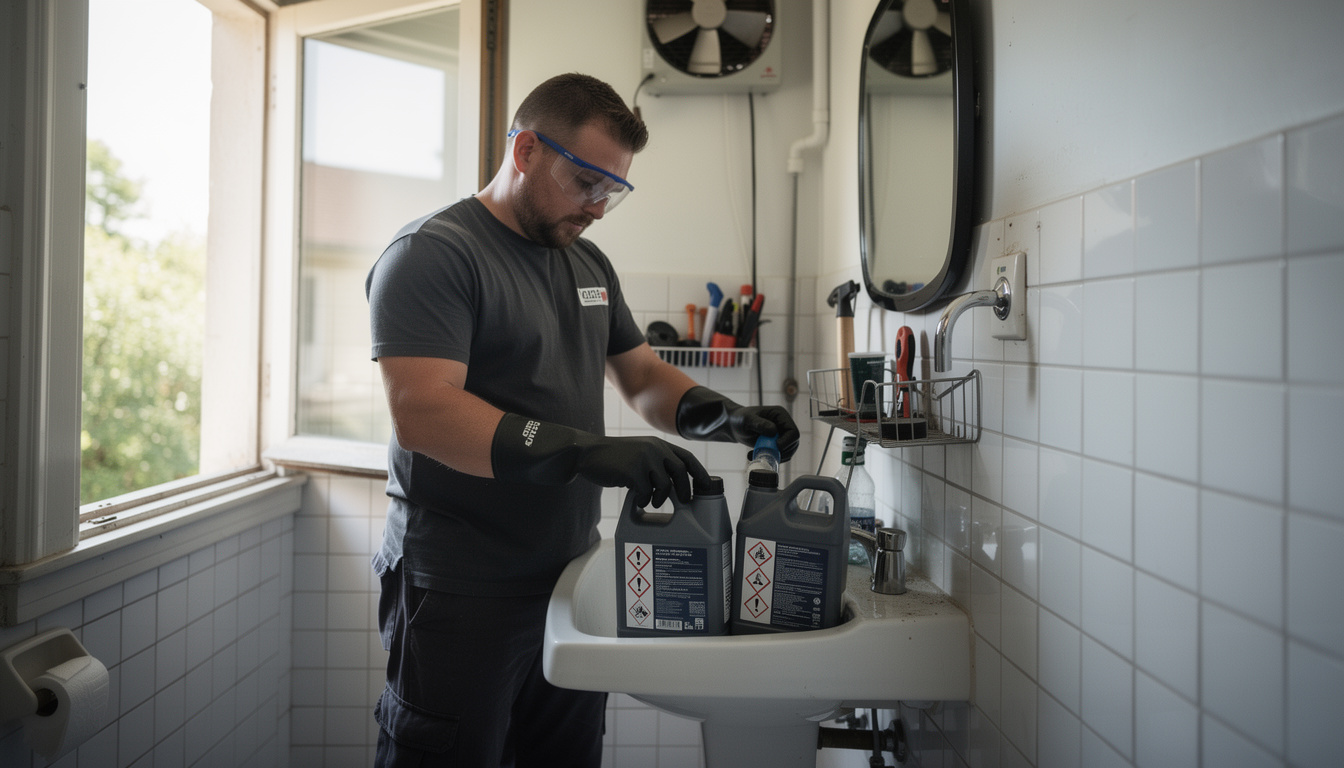
Your baseline personal protective equipment for plumbing chemicals usually means eye protection plus gloves, but the details matter. Safety glasses are better than nothing; splash goggles are better when you’re opening traps, working overhead, or pouring liquids into a drain with unknown backflow pressure. If there’s any chance of a splash, you want sealed protection, not stylish eyewear.
Gloves are similar. Nitrile is common and handy, but not universal. Some solvents chew through certain glove materials faster than people realize. When in doubt, check the product’s SDS recommendations and match glove type accordingly. That’s not overkill; it’s basic hazard communication translating into real decisions.
A practical PPE checklist you can actually follow
- 👓 Eye protection: splash goggles for drain work; face shield for high-splash tasks (backflow, trap removal, dosing).
- 🧤 Gloves: chemical-resistant gloves matched to the product (don’t assume one material fits all).
- 😷 Respiratory protection: use when SDS indicates vapor risk or when ventilation is limited (especially with solvents/primers).
- 🧥 Skin coverage: long sleeves or disposable coveralls when you’re dealing with corrosives or sewage splash risk.
- 👢 Footwear: waterproof, slip-resistant boots in wet areas; chemicals and slick floors are a bad combo.
- 🎧 Hearing protection: not chemical-related, but relevant when power tools enter the same job zone.
Notice how the list doesn’t pretend PPE is only about chemicals. Real jobs stack hazards: wet floors, sharp edges, hot soldering, and loud tools can happen in the same hour.
When “more PPE” becomes unsafe
Here’s the part nobody loves to say: PPE can create risk if it limits movement, visibility, or grip. Thick gloves can reduce dexterity on small valves. Fogged eyewear can make you misjudge a cut. The fix isn’t skipping protection—it’s selecting gear that fits and swapping it when it’s compromised.
The insight to end on: PPE isn’t a costume; it’s a system you maintain.
If you’ve got the gear sorted, the next step is making the air and the workspace cooperate—because fumes and clutter don’t care how good your gloves are.
Ventilation and Safe Work Setup: Keeping Fumes Out of Your Lungs and Chaos Off the Floor
Ventilation is the quiet hero of safe plumbing work. Riverside Plumbing has a rule: if you can smell it strongly, you’re already behind. Smell is a lagging indicator, and some harmful concentrations can build before the odor feels “bad.”
Start with basic airflow. Open windows and doors when possible. Use a bathroom exhaust fan, but don’t assume it’s working—many aren’t. A small portable fan can help push air out, but you want to think about direction: you’re trying to move vapors away from your breathing zone and out of the space, not swirl them around your face.
Work setup that prevents spills, splashes, and “oops” reactions
Most chemical incidents during plumbing aren’t dramatic explosions. They’re boring mistakes: a bottle tips, a rag drips onto finished wood, someone kneels in a puddle, or a cap is set down where a child can reach it. A clean setup is one of the simplest safety precautions with outsized impact.
Riverside lays down an absorbent mat or a disposable tray under chemical containers. They keep the product upright, cap-on unless dosing, and they never work directly over a client’s towel or bathmat. It sounds small, but it’s what keeps jobs from turning into claims.
Never mix: the easiest rule to follow and the hardest to enforce
Mixing products is where people accidentally create toxic gas. The “I’ll just add a little more” mindset becomes dangerous when different chemistries interact—especially in traps, drains, and toilets where residues linger. If the job has unknown history (like a tenant who tried multiple cleaners), treat it as contaminated until proven otherwise.
A solid practice is a quick customer question before you begin: “What did you already put in the drain?” It’s not awkward; it’s professional. Pair that with clear hazard communication on your side: label everything and keep SDS accessible in the truck or on a phone-based system your team actually uses.
Table: Quick field guide for common plumbing chemicals (and what to do)
| Product type | Main risk | Best controls | What not to do |
|---|---|---|---|
| Drain opener (acid/caustic) 🧪 | Severe burns, splash injury 👁️ | Goggles/face shield, chemical gloves, slow dosing, clear work area ✅ | Don’t loosen traps blindly; don’t add a second product ❌ |
| PVC/ABS primer & cement 🔥 | Flammable vapors, dizziness 💨 | Ventilation, organic-vapor-rated respirator if needed, cap closed between uses ✅ | Don’t use near ignition sources; don’t “free pour” ❌ |
| Descaler (tankless/fixtures) ⚙️ | Skin/eye irritation, fume buildup | Gloves, goggles, controlled circulation with proper kit, airflow ✅ | Don’t improvise with random hoses; don’t exceed dwell times ❌ |
| Disinfectants (water systems) 🦠 | Irritation, reactive mixing risk | Measure correctly, separate storage, eye protection ✅ | Don’t mix with acids/ammonia; don’t store in unmarked bottles ❌ |
The takeaway: set the air, set the space, then touch the chemical.
Once the site is controlled, the next big win is controlling how products are stored, labeled, and disposed of—because safety doesn’t end when you screw the cap back on.
Chemical Storage, Labeling, and Disposal: The Unsexy Stuff That Prevents Real Accidents
Chemical storage is where a lot of teams quietly fail. Not because they’re reckless, but because trucks get crowded and jobs blur together. Riverside Plumbing used to toss half-used bottles into a bin until one leaked into a toolbox and softened plastic handles. That was the moment they stopped improvising.
Rule one: keep products in their original containers with labels intact. Pouring chemicals into “a random spray bottle” destroys hazard communication. It also creates the classic misidentification risk—someone thinks it’s glass cleaner, sprays it, and now you’ve got an exposure incident. If you must transfer for a specific tool (like a dosing bottle), label it immediately and clearly, and only for that product.
Segregation: storing incompatibles apart
Not everything belongs together. Store oxidizers away from solvents. Keep acids away from bleach-type products. If you don’t want to memorize a chemical engineering chart, keep it practical: anything that says “do not mix” deserves its own space and secondary containment.
Temperature matters too. Hot vans can increase pressure in containers and intensify vapor release when opened. A cool, dry storage location extends shelf life and reduces surprise leaks.
Disposal that won’t come back to haunt you
Dumping leftovers into a drain is a bad habit and sometimes illegal, depending on local rules and the product type. It can also create downstream reactions in traps or septic systems. The safer approach is to follow municipal hazardous waste guidelines and manufacturer instructions. For pros, that means having a documented disposal pathway and a simple “return to shop” process for partially used or expired chemicals.
Riverside keeps a small log: product, date opened, and where it’s stored. It’s not bureaucracy for its own sake—it’s how they reduce waste and avoid unknown mystery bottles rolling around for months.
Confined spaces and special environments
Some plumbing work crosses into higher-risk territory: manholes, tanks, chases, or healthcare facilities with strict water safety practices. In those cases, chemical use intersects with oxygen deficiency risk, pathogen exposure, and more. If you’re doing confined space work, permits, a buddy system, and air monitoring aren’t “big-company stuff”—they’re what keeps someone from collapsing where rescue is difficult.
Final insight for this section: good storage is the safety net for the days you’re tired, rushed, or distracted.
With products controlled and labeled, you’re ready for the last piece: what happens when something goes wrong and you need calm, fast actions—not guesswork.
Emergency Procedures and First Aid for Chemical Exposure: What to Do in the First Minute
Most people don’t freeze because they don’t care—they freeze because they haven’t rehearsed. Riverside Plumbing practices a simple drill: “eyes, skin, lungs, ingestion” and what action happens immediately. These emergency procedures turn panic into steps.
Skin contact: rinse beats wiping
If a corrosive product hits skin, start flushing with lots of water right away. Don’t waste time “neutralizing” with another chemical; that can make it worse. Remove contaminated gloves or clothing carefully so you don’t spread the chemical to other areas.
After rinsing, assess for persistent pain, redness, blistering, or a slippery feel that doesn’t go away. If symptoms persist, medical evaluation is the smart move, not the dramatic one.
Eye contact: treat it like the real emergency it is
Eyes are the highest priority. Flush continuously with clean water for at least 15 minutes. A quick splash and “I’m fine” isn’t a plan. Use an eyewash station if available; otherwise, a sink with gentle flow works. If the person wears contacts, remove them during flushing if possible.
Then get medical attention. Eye exposures can worsen later, and delayed care is a common regret.
Inhalation: fresh air and monitoring
If fumes cause coughing, dizziness, or throat irritation, move to fresh air immediately. Loosen tight clothing and monitor symptoms. If breathing trouble persists, seek medical help. This is a core part of toxic exposure prevention: early action prevents escalation.
What a job-ready first aid kit should include
A generic kit is better than nothing, but plumbing work benefits from a few specific additions: sterile eyewash bottles, burn dressings, and extra nitrile gloves for the responder. Keep it accessible—if it’s buried under tools, it’s decorative.
Also keep emergency numbers handy, including poison control, and make sure techs know the address of the jobsite they’re on. In a stressful moment, people forget basic details.
Close-out insight: the first minute decides the rest of the day.
What protective gear should I wear when using drain openers?
At minimum: splash goggles (or a face shield for high-splash work), chemical-resistant gloves matched to the product, and clothing that covers exposed skin. If you’re opening traps or dealing with unknown residue, upgrade to a face shield and keep rinse water ready as part of your emergency procedures.
How do I improve ventilation in a windowless bathroom?
Run the exhaust fan (confirm it actually pulls air), keep the door open, and use a portable fan to push air out toward a larger open area. Position yourself so your breathing zone stays upwind of the fumes. If the product’s SDS warns about vapor hazards, consider respiratory protection as part of your personal protective equipment.
Can I pour plumbing chemicals into a smaller bottle for convenience?
Only if it’s truly necessary and the new container is compatible and clearly labeled immediately. Otherwise, keep products in original containers to preserve hazard communication and reduce misidentification. Unlabeled bottles are a common cause of preventable exposure incidents.
What should I do if a customer already used chemicals before I arrive?
Assume the drain or trap may contain reactive residue. Ask exactly what they used, avoid mixing products, wear upgraded protective gear, and open components slowly with splash control. If the history is unknown and fumes are present, increase ventilation and consider switching to mechanical clearing methods instead of adding more chemistry.
What’s the safest way to store plumbing chemicals in a van?
Keep them upright in a dedicated bin with secondary containment, away from heat when possible, and segregate incompatibles (for example, keep oxidizers away from solvents). Maintain labels, avoid loose caps, and rotate stock so old containers don’t become leak risks—smart chemical storage prevents most transport-related incidents.