Blocked sinks and slow showers have a way of showing up at the worst possible moment—right when you’re late, hosting friends, or finally trying to relax. And the annoying part is that plumbing blockages rarely happen “all of a sudden.” Most of the time, a pipe blockage is the end result of tiny everyday habits: a bit of grease here, a hairball there, a “flushable” wipe that wasn’t really flushable. The mess builds quietly in the bends and narrow points of your system until water starts backing up, odors creep in, and your house feels like it’s fighting you.
The upside? A huge chunk of clogged drains are avoidable with simple preventive measures and a little consistency. This article breaks down the real-world causes behind common blockages—kitchen, bathroom, toilet, and even the underground stuff like roots and aging lines—and connects each cause to practical avoidance habits and realistic maintenance routines. You’ll also see when DIY drain cleaning is totally fine, and when it’s smarter (and cheaper long-term) to bring in a pro before a minor restriction turns into water damage.
- 🚿 Hair + soap residue are the classic bathroom combo behind clogged drains.
- 🍳 Grease and oil cool into pipe-lining sludge—top cause of kitchen pipe blockage.
- 🍝 “Disposal-safe” food waste still swells, clumps, and traps debris.
- 🧻 Too much toilet paper + wipes can overwhelm low-flow toilets and older plumbing.
- 🌳 Tree roots exploit tiny cracks and create major blockages in sewer lines.
- 🧱 Mineral buildup from hard water quietly shrinks pipe diameter over time.
- 🛠️ Smart maintenance beats panic calls—especially with annual inspections and targeted drain cleaning.
Common Causes of Plumbing Blockages in Bathrooms (Hair, Soap Scum, and Sneaky Debris)
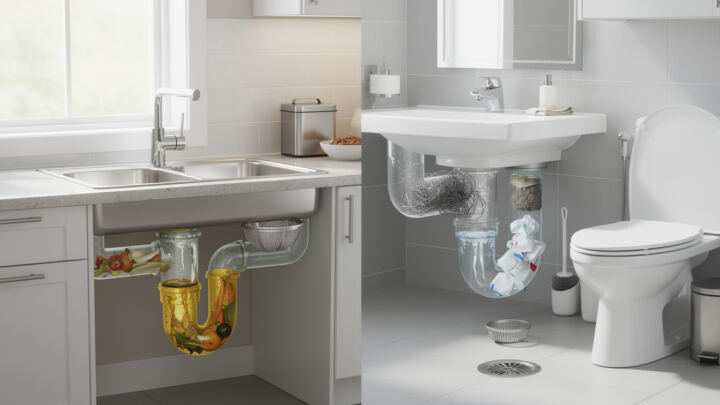
If you want the greatest hits of clogged drains, bathrooms take the trophy. They generate a specific kind of gunk—sticky, stringy, and weirdly resilient—that loves to grab onto pipe walls and hang out in the P-trap (the curved section under sinks). Once that “starter layer” forms, it becomes a magnet for more debris, and what started as a slightly slow drain becomes a full-on blockage.
Hair: the quiet villain that never dissolves
Hair doesn’t break down in water the way people assume it does. It tangles into rope-like clumps, then catches lint, toothpaste residue, and whatever else makes the trip. In showers, it collects near the drain opening first, then migrates deeper as water pushes it along.
One realistic example: a household with two long-haired adults can create enough accumulation that the shower starts pooling within weeks. It’s not that anything “big” went down the drain; it’s just daily shedding adding up.
Avoidance here is almost boringly simple: use a hair catcher and empty it. The trick is to treat it like cleaning a lint trap—tiny effort, huge payoff.
Soap scum: when “clean” becomes glue
Soap scum forms when soap binds with minerals in hard water (think calcium and magnesium). The result is a waxy film that coats pipe interiors. That coating narrows the flow path and creates a grippy surface for hair and skin flakes to latch onto.
If you’ve ever wiped a cloudy ring off a tub, you already know the texture. Now imagine that inside your plumbing, where you can’t scrub it. That’s why soap scum is one of the most underestimated causes of blockages.
Practical preventive measures include switching to liquid body wash (often less scum-prone), running hotter water at the end of a shower for 20–30 seconds, and doing a monthly gentle flush (more on safe methods later). One solid insight: you don’t need aggressive chemicals to beat soap scum—you need consistency.
Random bathroom debris you don’t notice until it’s too late
Bathroom sinks are notorious for “oops” moments: cotton swabs, dental floss, small bits of packaging, even jewelry. Dental floss is especially bad because it behaves like fishing line—it can wrap around other material and create a net that builds a blockage faster than you’d expect.
Want a simple household rule? If it isn’t water, soap, or (in toilets) toilet paper and human waste, it shouldn’t be in the drain. That one sentence prevents a lot of late-night plumbing drama.
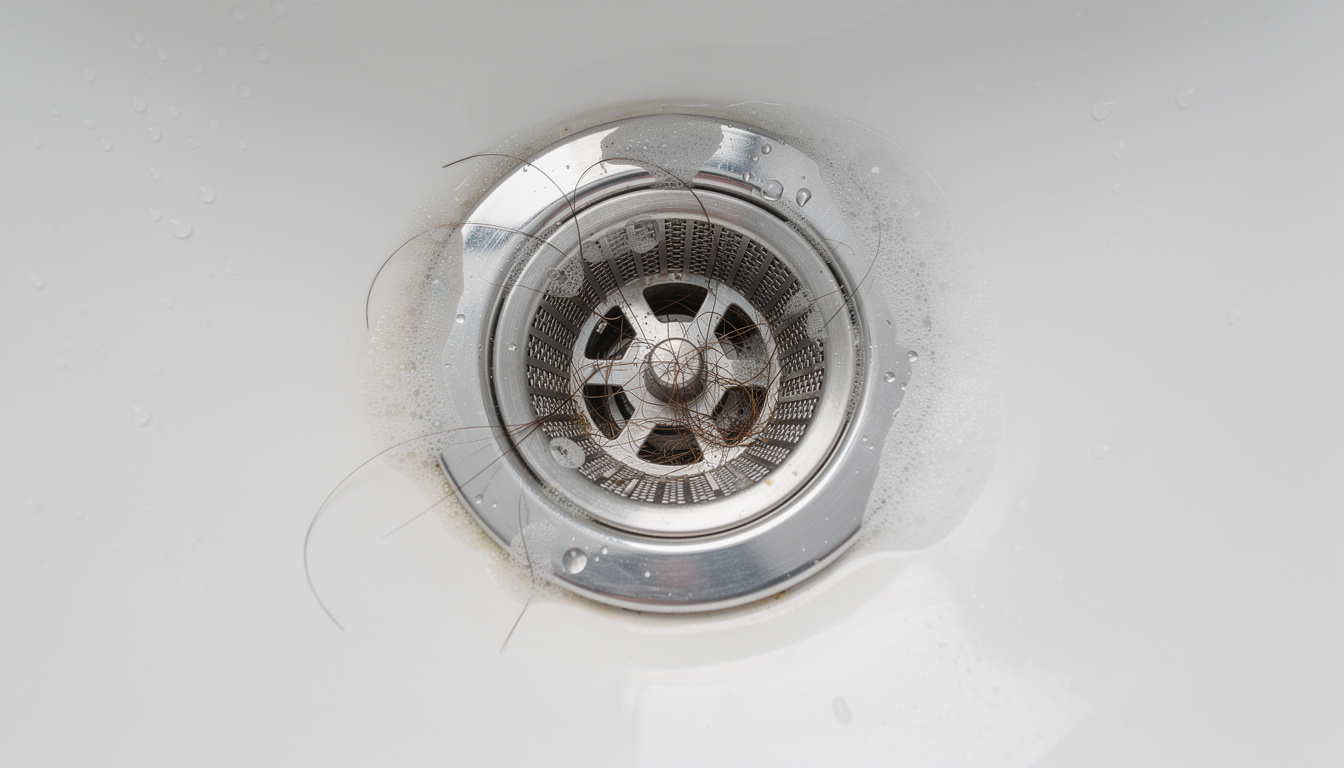
To keep this section grounded: most bathroom plumbing blockages are a “slow burn,” so your best defense is spotting early warning signs—slower drainage, mild gurgling, or that funky odor that keeps coming back. Up next, we’ll move into the kitchen, where the clogs are less stringy and more… greasy.
Kitchen Drain Blockages: Grease, Food Waste, and Garbage Disposal Myths That Cause Clogged Drains
Kitchen pipe blockage problems usually start with one mistaken belief: “If it goes down with hot water, it’s fine.” That’s how grease wins. And once it wins, it doesn’t just block one spot—it coats long stretches of pipe like a DIY varnish you never asked for.
Grease and oil: liquid now, solid later
Pouring bacon grease into the sink feels harmless because it’s hot and runny. But inside your pipes, it cools, thickens, and sticks. Then it grabs onto food particles and turns them into a nasty, expanding crust.
A common scenario: someone rinses a skillet, runs hot water, and thinks they’re safe. Two weeks later, the sink drains slowly; a month later, it backs up when the dishwasher empties. That’s classic grease behavior.
Preventive measures that actually work are low-tech: wipe pans with a paper towel before washing, collect used oil in a container, and toss it in the trash once cooled. If your city offers cooking-oil recycling drop-offs, even better.
Food waste: the disposal isn’t a black hole
Garbage disposals are helpful, but they’re not permission to send everything into the plumbing system. Some food types are basically engineered to cause blockages:
- ☕ Coffee grounds clump and settle like wet sand.
- 🥚 Eggshell membranes can wrap around moving parts and trap sludge.
- 🍚 Rice and pasta swell and turn into paste inside pipes.
- 🥬 Fibrous veggies (celery, corn husks) tangle and stall the grind.
Here’s the “boring but true” move: scrape plates into the trash first, then rinse lightly. When you do use the disposal, run cold water before/during/after to keep fats firmer so they chop and move instead of smearing.
A quick table: what to do with common kitchen clog culprits
| Item | Why it causes blockages | Better disposal choice |
|---|---|---|
| 🍳 Grease/oil | Solidifies and coats pipes, trapping debris | Cool in a jar/tin, then trash or recycle |
| ☕ Coffee grounds | Settles and compacts into a plug | Compost or trash |
| 🍝 Pasta/rice | Expands and forms starchy paste | Trash; strain before rinsing |
| 🥬 Fibrous peels | Strings twist and snag in bends | Trash or compost |
If bathroom clogs are “hair nets,” kitchen clogs are “pipe cholesterol.” And just like the body, small daily choices beat emergency fixes. Next, we’ll talk toilets and sewer lines—where the stakes get higher and the mess gets… memorable.
Toilet and Sewer Line Pipe Blockage Causes: Wipes, Paper Overload, and What “Flushable” Really Means
Toilet-related plumbing blockages are where people tend to panic, and honestly, fair. But the causes are usually predictable: too much paper at once, products that don’t break down, or a bigger issue further down the line in the sewer connection.
Toilet paper overload: it’s designed to break down, but not instantly
Toilet paper dissolves, but it still needs time and enough flow. If someone uses a thick, plush brand and flushes a huge wad in one go—especially in an older home or with a modern low-flow toilet—the system can’t always move it along fast enough. The result is a blockage close to the bowl or further down where the pipe narrows.
A super practical avoidance habit: teach kids (and guests) that it’s okay to flush twice. It sounds silly, but it’s cheaper than a Saturday night cleanup.
“Flushable” wipes and hygiene products: the label isn’t the law
In real-world drain cleaning work, wipes are repeat offenders. They don’t disintegrate like toilet paper, and they love to snag on tiny imperfections in pipes. Once one wipe catches, more follow, and soon you’ve got a braided rope of trouble.
Same story with paper towels, feminine products, cotton pads, and dental floss. Toilets are not trash cans. If you remember only one thing: flushable is a marketing word, not a plumbing guarantee.
When the “clog” is actually a sewer line problem
If one toilet clogs once, it might be a local issue. If multiple fixtures act up—like a tub bubbling when you flush, or water backing up in a lower drain—your main line might be restricted. That’s when a pipe blockage can move from “annoying” to “property damage” quickly.
Common signs you’re dealing with a bigger blockage include gurgling noises, persistent odors, and backups that jump from one fixture to another. At that point, DIY methods usually waste time.
Professional drain cleaning for main lines often uses camera inspection to find the exact trouble spot. It’s less guesswork and more “here’s the problem in HD.” That clarity matters when you’re deciding whether you need snaking, hydro jetting, or a repair.
Toilets are all about what you send and how fast you send it. But even perfect habits can’t stop the next category: the hidden, long-game issues like roots, minerals, and aging materials.
Hidden Plumbing Blockages: Tree Roots, Mineral Buildup, Corrosion, and Aging Pipes
Some causes of clogged drains have nothing to do with bad habits. You can be the most careful person on the block and still get nailed by tree roots, hard-water scale, or old pipes that are simply past their prime. These are the “invisible” causes that tend to show up as recurring blockages—stuff you clear once, then it comes right back.
Tree roots: underground invaders with perfect timing
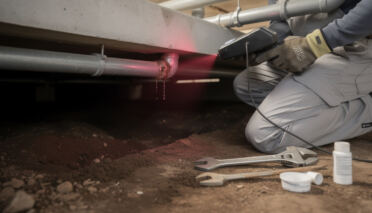
Roots naturally grow toward moisture. If your sewer line has even a hairline crack or a slightly separated joint (common in older clay or cast-iron systems), roots can find it. Once inside, they expand, catch debris, and build a net that slows everything down.
You might notice slow drains throughout the home, toilets that gurgle, or soggy patches in the yard. In extreme cases, small sinkholes or unusually green strips of grass can hint at leakage feeding root growth.
A real-life style example: “Mark and Dana” move into a charming older house with a big maple out front. Everything seems fine until rainy season, when backups start happening more often. A camera inspection reveals roots threading through a joint like they own the place. That’s a classic story.
Mineral deposits: the pipe diameter shrink you never see
Hard water leaves scale—especially calcium and magnesium—inside pipes and fixtures. Over years, that crust reduces flow and makes it easier for other debris to stick. You’ll often see it first as chalky faucet buildup or reduced pressure, but the same thing is happening inside the system.
A water softener can be a game-changer in hard-water regions. It’s not just about nicer showers; it’s long-term maintenance that keeps plumbing lines from “closing in” over time.
Corrosion and aging pipes: when the material becomes the problem
Older cast iron can corrode and become rough inside, creating perfect snag points for buildup. Clay pipes can shift. Bellies (sagging sections) can form where water and solids settle instead of moving out. These conditions create repeated blockages even if you’re doing everything “right.”
Modern options like pipe lining can rebuild the inner surface with a smooth, durable layer, often with less disruption than full replacement. The key benefit is that a smoother interior resists buildup, which supports long-term avoidance and fewer emergency calls.
These hidden causes are why it’s smart to treat recurring clogs as a diagnostic problem, not just a cleaning problem. Next, we’ll map out realistic preventive measures and safe drain cleaning routines you can stick with.
Preventive Measures and Drain Cleaning Maintenance: Simple Routines That Stop Blockages Before They Start
If you’ve read this far, you can probably see the pattern: plumbing problems love consistency—either your consistent bad habits, or your consistent maintenance. The goal isn’t perfection. It’s building a few routines that keep small buildup from turning into full plumbing blockages.
Daily and weekly habits that actually move the needle
- 🔥 🚿 Run hot water briefly after heavy soap use to reduce residue sticking inside pipes.
- 🕸️ Use mesh strainers in sinks and showers to catch debris before it enters the system.
- 🧽 Wipe greasy cookware before washing—paper towel first, soap second.
- 🗑️ Keep a “no-drain” mindset for floss, wipes, cotton swabs, and food scraps.
- 🚽 Use reasonable toilet paper amounts; flush twice when needed.
Monthly maintenance that’s gentle on plumbing
A lot of people reach for harsh chemical cleaners. The problem is frequent use can be rough on pipes and seals, and it can create safety issues if products mix. A calmer approach works well for routine maintenance: flush with hot water, and consider enzyme-based drain maintainers if you’re prone to buildup (especially kitchens).
For bathroom sinks, cleaning pop-up stoppers is weirdly effective. Pull it out, remove the gunk, rinse, reinstall. It’s not glamorous, but it prevents a ton of clogged drains.
When DIY stops being smart
Call a plumber (or schedule professional drain cleaning) when you notice any of these:
- 🚨 Multiple drains clogging at the same time
- 🤢 Persistent foul odors coming from drains
- 🔊 Gurgling in toilets or sinks after running water
- 🌊 Backups into tubs, showers, or floor drains
- ⏳ Slow drainage that returns quickly after you “fix” it
Pros can use camera inspections for accuracy and tools like hydro jetting for tough buildup. The big win is targeting the real causes instead of guessing—and that’s how you stop repeat blockages for good.
At the end of the day, the best plumbing system is the one you don’t have to think about. A few small preventive measures, done regularly, keep your drains boring—and boring is the dream.
Why do my clogged drains keep coming back even after I plunge them?
Recurring clogged drains usually mean the blockage isn’t fully removed or there’s an underlying cause like grease coating, soap scum buildup, mineral deposits, a sagging pipe section, or tree roots. Plunging can restore flow temporarily, but professional drain cleaning or a camera inspection often finds the real source.
Are chemical drain cleaners safe for regular maintenance?
Using chemical cleaners frequently isn’t a great maintenance strategy. They can be harsh on certain pipe materials and seals, and they’re risky if different products combine. For preventive measures, focus on strainers, grease avoidance, stopper cleaning, hot-water flushing, and enzyme-based maintainers when appropriate.
What are the biggest causes of kitchen pipe blockage?
Grease and oil are the top causes, followed by food waste that swells or tangles (coffee grounds, rice, pasta, fibrous vegetables). These materials trap debris and narrow flow over time, leading to blockages and slow drains.
How can I tell if tree roots are causing a blockage?
Clues include slow drains across the house, gurgling toilets, frequent backups, and sometimes wet patches or unusual soft spots in the yard. A sewer camera inspection is the fastest way to confirm root intrusion and decide whether you need root cutting, hydro jetting, or repair/lining.
What’s the simplest avoidance habit with the biggest payoff?
Use drain strainers everywhere and empty them often. That one habit prevents hair, food bits, and other debris from entering the plumbing system—cutting down the most common causes of plumbing blockages without any fancy tools.