En bref
- 🚰 Water supply lines usually mean PEX or Copper in modern homes; older places might still hide Galvanized steel.
- 🧱 PVC dominates Drainage and venting in many regions because it’s affordable and easy to work with.
- 🔥 Hot-water performance isn’t just “pipe = pipe”: temperature, chlorine level, and install quality matter as much as material.
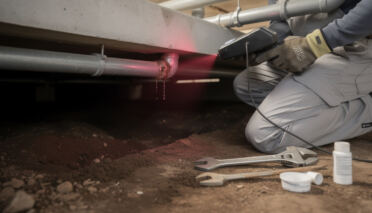
- 🔧 Most leaks happen at Fittings, not the straight runs—especially when DIY cuts corners.
- 🧰 Smart Home maintenance means knowing what you’ve got, where it runs, and what tends to fail first.
- 📋 Local code and insurance rules can quietly push you toward (or away from) certain Pipes materials.
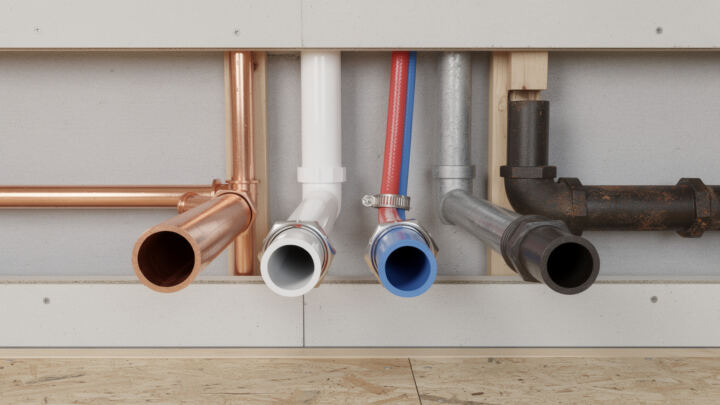
Open a wall in almost any house and you’ll learn a fast lesson: residential Plumbing is a mix of eras, budgets, and “whatever the last person did.” One bathroom might be fed by shiny Copper, while the kitchen is running on flexible PEX, and the basement drain is classic white PVC. That patchwork isn’t random—it’s the result of changing building codes, shifting material costs, and the constant tug-of-war between “best long-term choice” and “what can we install today without blowing the whole remodel budget.” If you’re troubleshooting low pressure, planning a renovation, or just trying to avoid the next surprise leak, understanding pipe types is like learning the map before you start driving.
To keep things grounded, we’ll follow a fictional homeowner, Maya, who bought a 1990s house that had “a few updates.” Her inspector flagged mixed materials and a couple of questionable Fittings. Nothing dramatic—yet. That’s the point: pipe decisions usually matter most before an emergency. And once you know what each material is good at (and where it’s a bad idea), you can make upgrades that actually reduce risk instead of just making the basement look neater.
Understanding Home Plumbing Pipe Types: How Water Supply and Drainage Systems Differ
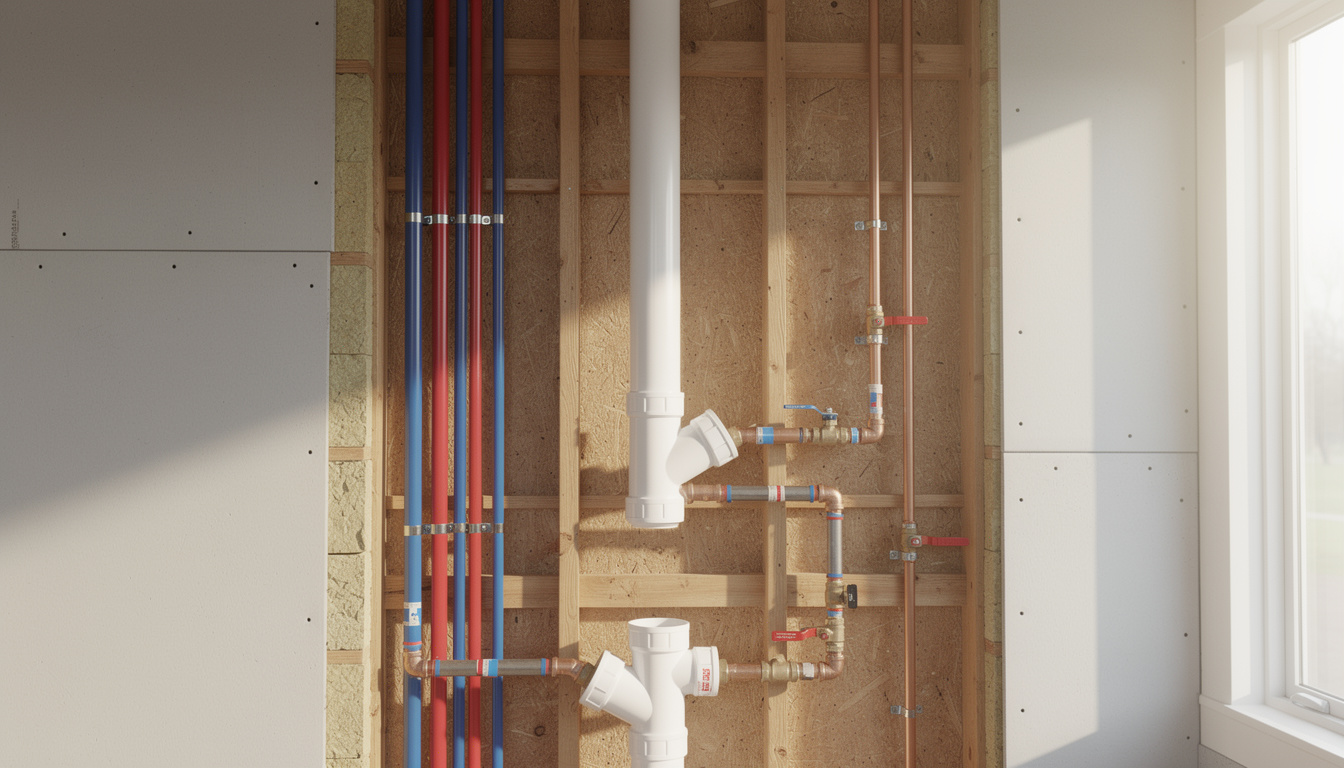
Before you even talk materials, it helps to split residential Pipes into two jobs: bringing clean water in (Water supply) and taking used water out (Drainage). They live in the same walls, sure, but they behave totally differently. Supply lines run under pressure, so tiny weaknesses become sprays. Drain lines mostly rely on gravity, so the problems look more like slow leaks, odors, clogs, and weird gurgling noises at 2 a.m.
Maya learned this the hard way when a “small drip” under her upstairs sink turned into a ceiling stain downstairs. That was a pressurized supply connection—one of those spots where a compression ring or crimp wasn’t seated perfectly. Meanwhile, her shower drain had been slowly seeping for months with no obvious signs, because it only leaked when the shower ran and the trap filled.
Water supply basics: pressure, temperature, and water chemistry
Supply pipe choices are shaped by three realities: pressure, heat, and chemistry. Municipal pressure can be high enough that bad installation shows up immediately. Hot water accelerates wear on certain plastics and can stress metal joints. And water chemistry—especially disinfectants like chlorine or chloramine—can change which materials age gracefully over a decade.
This is why modern supply choices often narrow to PEX or Copper for interior runs. They handle pressure well when installed correctly, and they have well-known performance profiles. Older homes may still have Galvanized steel supply, which tends to corrode from the inside, shrinking the effective diameter and hammering flow at showers and hose bibs.
Drainage and venting: why slope and sound matter
Drainage systems are all about slope, venting, and smooth interiors. A perfect drain install can look “too simple” because it’s mostly about geometry: the right pitch, the right trap placement, and vents that keep water seals intact. Material matters, but a badly sloped drain will fail no matter how fancy the pipe is.
In many homes, PVC is the go-to for drains because it’s lightweight, corrosion-proof, and easy to cut and solvent-weld. In some regions, black ABS is also common for drains. Cast iron, when present, is usually older—and often quieter, which is why high-end builds sometimes still use it for vertical stacks where you don’t want to hear every flush like it’s happening in the living room.
A quick comparison table you can actually use
When Maya built her “what’s behind my walls” checklist, she needed a fast way to compare options without getting lost in brand names. This kind of table is the cheat sheet you keep on your phone when you’re standing in the hardware aisle.
| Material | Best use in homes | Big strengths | Common weak spots |
|---|---|---|---|
| PEX 🟦 | Water supply | Flexible runs, fewer joints, good freeze tolerance | Bad crimp/clamp Fittings, UV sensitivity |
| Copper 🟠 | Water supply | Heat tolerant, long track record, recyclable | Pinhole leaks in aggressive water, theft risk |
| PVC ⚪ | Drainage + vents | Cheap, corrosion-proof, easy to install | Solvent-weld mistakes, brittle in extreme cold |
| CPVC 🟨 | Hot/cold supply (some areas) | Handles hotter water than PVC | Brittleness with age, joint failures if rushed |
| Galvanized 🧱 | Older Water supply | Tough exterior | Internal corrosion, low flow, hard to modify |
With the “two systems” mindset in place, it’s easier to talk materials without mixing up what they’re actually good for. Next up: the supply-pipe heavy hitters that most homeowners deal with today.
PEX vs Copper for Home Water Supply Pipes: Real-World Pros, Cons, and Install Details
Ask five plumbers what they’d put in their own house and you’ll probably hear two answers: PEX or Copper. The funny part is they might all be right—depending on water quality, climate, and how the job is installed. For Maya’s place, the previous owner ran PEX to a new bathroom but kept copper in the original kitchen. That’s common, and it isn’t automatically a problem, as long as transitions are done correctly and the system is supported and protected.
PEX: flexible plumbing that reduces joints (and stress)
PEX became popular because it bends around obstacles, which means fewer elbows hidden in walls. Fewer elbows often means fewer potential leak points. It also tends to tolerate freezing better than rigid pipe because it can expand slightly—still, a frozen line is never “fine,” and fittings can still crack if water turns to ice in the wrong spot.
Where PEX can get messy is at the connection points. A lot of failures come down to rushed workmanship: not fully seating a pipe, using the wrong ring, mixing systems, or leaving a kink in a tight bend. Another classic mistake is leaving PEX exposed to sunlight in a garage window or outdoors; UV slowly degrades it. If your run needs exposure, it needs protection—simple as that.
Copper: durable, heat-friendly, and unforgiving of bad water
Copper is the “old reliable” of Plumbing. It handles heat easily and stays rigid and neat in mechanical rooms. It’s also naturally resistant to UV and has predictable expansion behavior when hot water kicks on. When it’s installed with proper supports and good soldering (or press fittings), it can last a long time.
The downside is cost and sensitivity to certain water conditions. Some homes see pinhole leaks over time, especially if water chemistry is aggressive or if electrical grounding/stray currents create corrosion issues. Copper also doesn’t love freezing; it can split, and when it does, it tends to split dramatically.
Fittings and transitions: the quiet place where most trouble starts
Maya’s inspector circled one detail: a transition from copper to PEX that used a questionable adapter and had no strain relief. That’s the kind of thing that doesn’t leak on day one, but it’s basically inviting movement—thermal expansion, vibration, someone bumping a pipe while storing holiday decorations—to work the joint loose.
Good Fittings strategy looks boring: correct adapters, clean cuts, proper deburring, and secure supports. If you’re mixing materials, use approved transition fittings and pay attention to galvanic corrosion risk when metals touch. Also, put shutoff valves in sane places. A valve that you can’t reach doesn’t count when something bursts.
Practical homeowner checklist for water supply upgrades
If you’re planning a remodel, this list helps you avoid the “we’ll deal with it later” trap that becomes expensive later.
- 🔍 Identify pipe material at the main line and near the water heater (a common transition zone).
- 🚿 Check for pressure issues that hint at internal corrosion (often a Galvanized clue).
- 🧯 Confirm hot-water lines are rated for temperature (especially if you find CPVC).
- 🔧 Inspect visible Fittings for corrosion, green staining (copper), or stress marks (plastic).
- 🧊 In cold climates, prioritize freeze-prone areas: exterior walls, crawlspaces, and garage runs.
Once your supply side is understood, the next big story is what happens after the water’s been used—because drain pipe choices affect clogs, odors, noise, and how easy it is to service your system later.
Want a visual walkthrough before you touch anything? This search pulls up solid examples of supply piping layouts and common mistakes.
PVC and Other Drainage Pipes in Homes: Venting, Noise, and Clog Resistance
PVC is basically the poster child for residential Drainage today. It’s light, affordable, doesn’t rust, and can be installed quickly. That said, drain systems aren’t “cheap and easy” if you want them to be trouble-free. The biggest problems homeowners face—slow sinks, sewer smells, recurring clogs—often trace back to layout and venting rather than the pipe brand.
Maya’s house had a classic issue: a laundry standpipe tied into a line that was technically “working,” but it wasn’t vented correctly. When the washer dumped a big volume of water, it siphoned a nearby trap just enough to let odors sneak in. No flood, no dramatic failure—just that gross smell that makes you blame the machine when the real culprit is airflow.
PVC drainage: strong performance when the joints are done right
PVC drain installs rely on solvent welding. That joint is essentially a chemical bond, not glue in the usual sense. The pipe and fitting are softened and fused, which is why surface prep and timing matter. Rush it, and you can end up with weak joints or internal ridges that catch debris. Go too slow, and you might not seat the pipe fully, leaving a lip that becomes a clog magnet.
Another detail: support spacing and expansion. PVC expands and contracts more than metal with temperature swings. In long runs, that movement can create ticking noises or stress on hangers if it’s strapped too tightly.
ABS, cast iron, and hybrid drain stacks
Depending on region and age, you might see black ABS instead of PVC. ABS is also common for drains and vents and is joined differently (cement rather than primer + cement). The important thing is not mixing joining methods incorrectly. Mixing materials can be fine with the right transition couplings, but “close enough” isn’t close enough for Plumbing.
Cast iron is the heavy old-school option. It resists fire better, blocks sound, and feels indestructible—until corrosion or scale buildup reduces the interior diameter. In older houses, cast iron sections sometimes fail at joints or develop pinholes that only show up as mysterious dampness. When homeowners replace only a section, they often use a no-hub coupling to transition to PVC. Done right, it’s solid. Done wrong, it can sag and leak slowly.
Keeping drains clear: what actually works (and what backfires)
For Home maintenance, drain care is more about habits than harsh chemicals. Occasional enzyme treatments can help with organic buildup in some situations, but repeated use of aggressive drain cleaners can damage older piping and fittings, and it can be dangerous for anyone who later opens the line.
- 🧼 Use strainers in showers and sinks—hair is enemy number one.
- 🛢️ Keep grease out of kitchen drains; wipe pans before washing.
- 💧 Flush kitchen lines with hot water after heavy cooking days (not boiling into PVC).
- 🧰 If a clog repeats, consider a camera inspection instead of endless snaking.
Drain lines and vents set the “health” baseline for your whole system. But there’s a third category that still shows up in real homes and can quietly wreck performance: older metal supply piping, especially galvanized steel.
If you want to see how vents, traps, and drain slopes work together, this video search brings up clear demonstrations that make the whole system click.
Galvanized Pipes in Older Homes: Warning Signs, Replacement Paths, and Code-Smart Choices
If your home is older or partially updated, Galvanized steel can still be part of the Water supply picture. It was widely used decades ago, and the main issue is simple: it corrodes from the inside. That corrosion narrows the pathway for water, traps sediment, and can cause rusty discoloration. Even when it doesn’t actively leak, it can slowly turn “nice shower” into “sad trickle.”
Maya didn’t have full galvanized runs, but she did find short sections near an exterior hose bib. That’s the kind of leftover piece that can become a recurring maintenance headache because it’s usually in a cold-prone area and it’s often connected with a pile of adapters.
How to tell if galvanized is hurting your system
You don’t need to be a plumber to spot the patterns. A house can have decent pressure at one faucet and poor flow at another, depending on where the corrosion is worst. If you see frequent aerator clogs, orange staining, or wildly uneven performance, galvanized might be part of the story.
Also, look for “band-aid” repairs. When someone replaces one section at a time, you might see a chain of mismatched fittings, lots of threaded adapters, and awkward transitions. Threaded joints are convenient, but every extra connection is another potential leak point—especially when old threads are already compromised.
Replacement strategy: partial vs whole-house repipe
Homeowners often ask, “Do I have to replace all of it?” Not always. But mixing new and old can create a false sense of security if the remaining galvanized sections are near the end of their life. Many people do a staged approach: replace the main trunk and the most problematic branches first, then finish the rest during remodels.
For staging, the smart sequence is: address any active leaks, then upgrade the main supply line and shutoffs, then replace the longest or most corroded branches. If the water heater area is a spaghetti mess, cleaning that up early pays off because it reduces stress on fittings and makes future work easier.
Material choices when removing galvanized
When galvanized comes out, homeowners typically choose PEX for flexible routing or Copper for rigidity and heat tolerance. The “best” option can depend on local codes and insurance expectations. Some areas strongly favor one approach, and some insurers want documentation of professional installation for major repipes.
One more thing: if you’re replacing galvanized, don’t ignore the valves. Old shutoffs can seize or crumble when touched. Replacing them during the same project is one of those unglamorous upgrades that saves you from panic later.
A small case study: the outdoor line that kept freezing
Maya’s hose bib line froze twice in two winters. The culprit wasn’t just cold—it was a short galvanized nipple that had narrowed, trapping water and making drainage incomplete after shutoff. Swapping that section for a modern frost-proof setup and re-routing part of the line eliminated the repeat freezes. The lesson is that “old material” problems aren’t only about leaks; they also change how the system behaves.
With older metals addressed, the next step is making your entire system easier to live with—meaning fewer emergencies and quicker fixes when something does go wrong.
Home Maintenance for Plumbing Pipes: Leak Prevention, Smart Shutoffs, and Repair-Ready Layouts
Most homeowners don’t lose sleep over pipe material—they lose sleep over surprise water damage. That’s why good Home maintenance is less about memorizing every pipe type and more about building a system that’s easy to monitor and quick to shut down. Maya’s goal wasn’t to turn her house into a showroom; it was to make sure a failed fitting wouldn’t destroy her hardwood floors.
Know your shutoffs like you know your Wi‑Fi password
The main shutoff is the MVP of your entire Plumbing system. If you don’t know where it is, find it. If it’s hard to turn, replace it. And if your home has multiple zones—like a finished basement or an addition—label the branch shutoffs too.
In newer setups, smart leak detectors and automatic shutoff valves are becoming more common. They’re not magic, but they can drastically reduce damage when a supply line fails while you’re out. Even without automation, adding accessible shutoffs behind toilets, under sinks, and near appliances is a practical win.
Focus on fittings, not fantasies
People love to debate whether PEX or Copper is “better,” but most real leaks show up at Fittings: compression joints, crimp rings, push-to-connect repairs done in a hurry, and threaded adapters that weren’t sealed correctly. The fix is boring: use the right system components, don’t mix standards, and support the pipe so the joint isn’t carrying mechanical load.
If you’re DIY-ing, set rules for yourself: make clean cuts, follow cure times on solvent-welded PVC, and pressure-test supply work before closing walls. It’s slower, but it’s cheaper than opening drywall later.
Small upgrades that pay off fast
- 🧯 Install a water hammer arrestor if you hear banging when valves close.
- 🧊 Insulate pipes in unheated areas to reduce freeze risk and condensation.
- 🧺 Replace old washing machine hoses with braided lines and add an accessible shutoff.
- 🧰 Keep a basic repair kit: shutoff key, spare supply lines, PTFE tape, and a bucket.
- 📸 Take photos of open walls during renovations so you can locate pipes later.
When to call a pro (and what to ask)
Some work is perfect for homeowners—replacing a faucet, swapping a trap, installing a new showerhead. But repiping sections, modifying vents, or changing water heater connections can cross into code-sensitive territory fast. When you do hire a plumber, ask what material system they’re using, why it’s compatible with your water quality, and how they’ll support and protect the runs.
At the end of the day, the best pipe system is the one that’s installed correctly, easy to shut off, and easy to service. That’s the real “premium upgrade,” even if nobody sees it.
How do I identify what type of pipes I have without opening walls?
Check visible areas first: under sinks, near the water heater, in the basement/crawlspace, and at the main shutoff. Copper is metal with a reddish tone, PEX is flexible plastic (often red/blue), PVC is rigid white plastic usually used for drainage, and galvanized steel is threaded gray metal. If it’s unclear, a plumber can confirm quickly during a routine inspection.
Is PVC safe for water supply lines in homes?
In many places, PVC is mainly used for drainage and venting, not interior hot/cold supply. Some regions use PVC for cold-water service lines or irrigation, while CPVC is more commonly used for hot/cold supply where allowed. Always match local code and temperature ratings—using the wrong plastic on hot water is a common failure path.
What are the biggest warning signs that galvanized pipes need replacement?
Persistent low flow at fixtures, rusty or discolored water, frequent clogging of faucet aerators with grit, recurring leaks at threaded joints, and uneven pressure across the house. Galvanized corrodes internally, so performance issues often show up before a catastrophic leak.
Why do plumbing leaks often happen at fittings instead of the pipe itself?
Fittings are transition points where movement, vibration, thermal expansion, and installation errors concentrate stress. A straight pipe run is stable; a joint can be over-tightened, under-crimped, misaligned, or poorly sealed. Better support, correct parts, and careful installation reduce these failures a lot.
If I’m remodeling one bathroom, should I switch that area to PEX even if the house is copper?
Often yes, as long as you use approved transition fittings and the work meets code. Many homes end up as a hybrid system. The key is making transitions clean, accessible when possible, and properly supported so the joint isn’t stressed behind the wall.