En bref
- 🔎 Match the sound to the cause: water hammer, whistling, rattling, gurgling, or ticking each points to a different fix.
- 🧰 The fastest wins usually come from securing loose lines, lowering pressure, and adding pipe insulation.
- 🚿 If you’re hearing a bang right after a valve closes, a water hammer arrestor near the fixture is often the cleanest solution.
- 📉 Keep house pressure in the 40–60 PSI range for comfort and noise reduction; above 80 PSI is trouble.
- 🧼 Squealing taps and whining lines can be fixed with basic plumbing repair like swapping washers, cartridges, or cleaning valve seats.
- 🧱 If the sound is inside walls or keeps coming back, a pro diagnosis can prevent hidden leaks and bigger damage.
The weird thing about noisy plumbing is how personal it feels. One house hears a sharp bang like someone kicked the wall, another gets a tea-kettle squeal every time the shower turns on, and a third has a constant rattle that makes you swear the pipes are trying to escape. In real life, these sounds aren’t random. They’re your plumbing system’s way of telling you something about speed, pressure, support, or airflow—and once you decode that message, you can usually fix plumbing noise without ripping out drywall.
To keep this practical, we’ll follow a simple thread: a fictional homeowner named Maya, who just moved into a 1990s two-story place. Her first week was peaceful… until laundry night. The washing machine shut off and the pipes slammed. Then the kitchen faucet started whistling. Then a faint ticking appeared in the upstairs wall whenever hot water ran. Maya’s story is basically everyone’s story: different noises, same goal—reduce pipe noise fast, safely, and for good.
Identify Pipe Noise Like a Pro: What Each Sound Really Means
If you want an effective fix, start with a boring but powerful move: listen like you’re diagnosing, not just suffering. The timing matters. Does it happen during flow, right after a valve closes, only with hot water, or only when a toilet refills? That pattern narrows the cause more than any guessing ever will.
Maya did a quick “sound diary” on her phone. It sounds extra, but it worked: she noted the fixture, time, and what she heard. The result? Her loud bang happened exactly when the washer valve snapped shut—classic water hammer. Her whistle showed up at the kitchen faucet, especially when she cracked it half-open—often a pressure/valve issue. And the ticking only happened on hot water runs—usually thermal expansion, not an emergency.
Common noisy plumbing sounds and their usual causes
Here’s a simple decoding guide. Don’t treat it as destiny, but it’s a solid starting point for most homes.
| Sound 🔊 | What it usually is 🧠 | Typical trigger 🕒 | First fix to try 🛠️ |
|---|---|---|---|
| Bang / slam 💥 | Water hammer shock wave | Right after valve closes | Install water hammer arrestor near fixture |
| Whistle / squeal 🎯 | High pressure, worn valve, restricted flow | When faucet is partly open | Check PSI; replace washer/cartridge |
| Rattle 🫨 | Pipe vibration from loose supports | During strong flow | Add straps/clamps every 4–6 ft |
| Gurgle 🌊 | Drain venting issue or trapped air | After draining fixtures | Check traps/vents; consider pro if persistent |
| Tick / click ⏱️ | Thermal expansion of pipe | Hot water cycles | Add cushioning/insulation at contact points |
One detail homeowners miss: sometimes you have two causes at once. Maya had hammering from quick-close valves and a separate whistling issue from pressure plus a worn kitchen cartridge. Treat each noise like its own case file, and you’ll stop throwing random fixes at the wall.
The next step is hands-on: secure movement, because stopping motion is often the cheapest form of noise reduction.
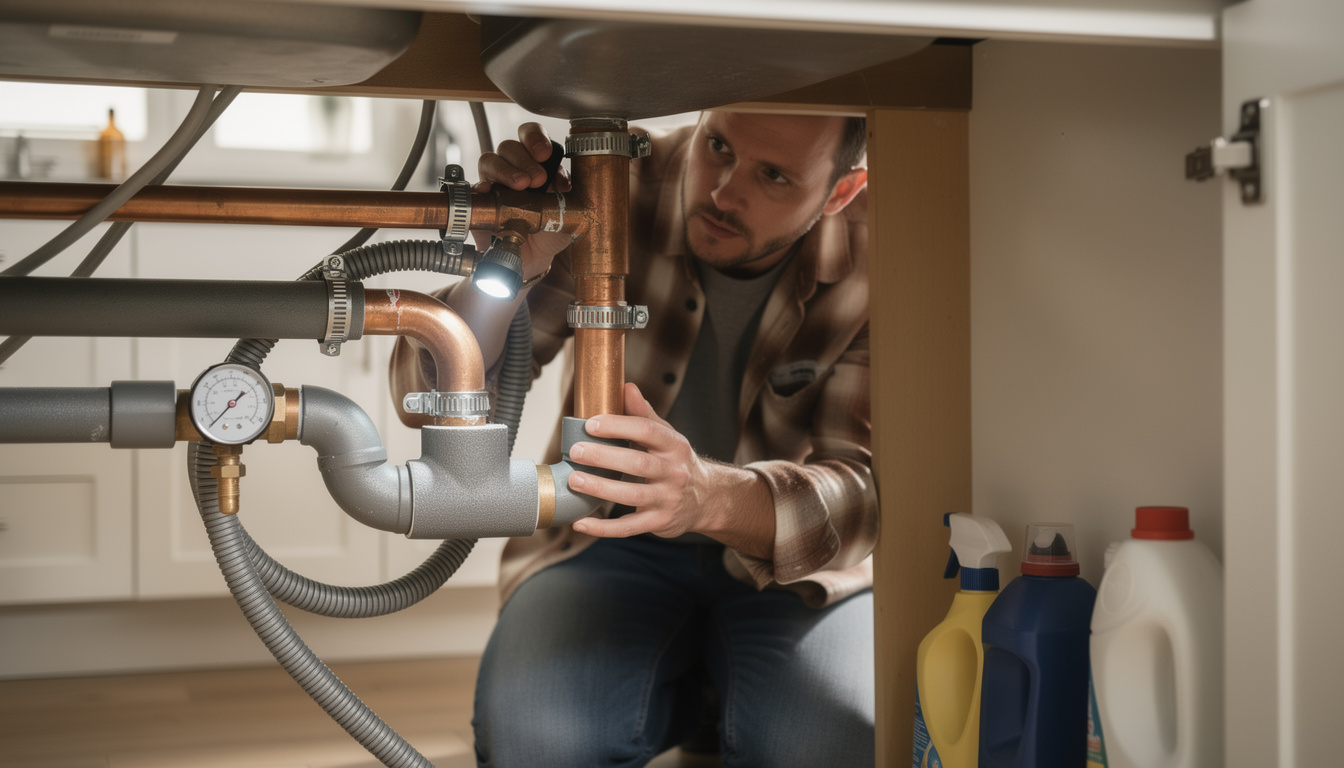
Stop Rattling and Pipe Vibration: Straps, Cushions, and Smart Support
Rattling is the sound of a pipe that has room to dance. Water starts moving, the line shifts, and it taps wood, drywall, or a metal hanger like a drumstick. The fix is usually not complicated: support it correctly and prevent contact. This is the “tighten the loose stuff” chapter of plumbing maintenance, and it’s where most DIYers get their first quick win.
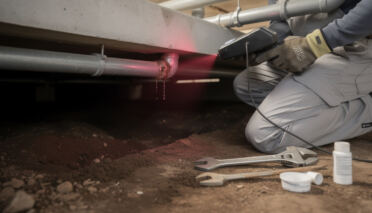
Maya’s basement had exposed runs along joists. When someone flushed upstairs, you could see the line twitch—tiny movement, big noise. She didn’t need a full repipe. She needed better restraint and a little cushioning where the pipe passed through framing.
Where pipe straps actually matter (and where people forget them)
Supports matter most in three places: long horizontal stretches, near elbows/tees, and right before/after shutoff valves. Those transitions create changes in flow direction that amplify pipe vibration. If you’re hearing rattling, start where the pipe changes direction or where it crosses a stud bay.
A practical rule that holds up in most homes: add support about every 4–6 feet on horizontal runs. But don’t be robotic about it—if a spot is noisy, that spot gets a strap even if it’s only two feet from the last one.
Step-by-step: securing loose lines without crushing them
- 🧯 Shut off the nearby water supply (or the main if you’re unsure).
- 📏 Measure pipe diameter so your straps/clamps actually fit.
- 🪛 Place the strap around the pipe where movement is visible or where the sound is loudest.
- 🪵 Anchor into a joist or stud using appropriate screws (not tiny drywall screws).
- 🧩 Add a cushion (rubber/foam) where the line touches wood to prevent squeaks and tapping.
- 🚰 Turn water on and test the fixture that used to trigger the noise.
The big “don’t”: don’t clamp so hard you deform plastic pipe or squeeze copper against a sharp edge. The goal is stable, not strangled. Maya learned this the easy way—her first clamp stopped the rattle but introduced a faint squeak because the pipe still rubbed wood. A small foam pad fixed it instantly.
Once the movement is controlled, you can tackle impact noises—especially that classic slam that makes guests look around like, “Was that a door?”
If you want a visual walkthrough before you start drilling overhead, this is the kind of search that pulls up clear demos.
Fix Water Hammer Fast: Arrestors, Air, and Fixture Strategy
Water hammer is basically momentum. Water is moving fast, then a valve shuts quickly, and that moving column slams into a stop. The pipe transmits the shock wave as a bang. It’s dramatic, annoying, and over time it can stress joints and valves—meaning this is one of those plumbing repair issues where quieting the sound can also protect the system.
Maya’s loudest bang happened with the washing machine. That’s no surprise: washers and dishwashers often use fast-acting solenoids that shut instantly. Toilets can do it too, especially if the fill valve snaps closed.
Why modern water hammer arrestors beat old-school air chambers
You’ll hear people talk about “air chambers” like they’re magical. In theory, an air pocket cushions the shock. In practice, those air pockets dissolve into the water over time, and the cushioning disappears. Modern water hammer arrestors use a sealed chamber with a piston or compressible cushion that keeps working year after year without “recharging.”
That reliability is why arrestors are such a clean solution in 2026 homes with appliance-heavy plumbing. Less fuss, less repeat work, less midnight banging.
Placement that actually works (not just “somewhere nearby”)
For the best effect, put the arrestor close to the quick-closing valve—ideally within about 6 feet of the fixture causing the slam. For Maya, that meant installing a pair on the washer hookups. Threaded models often screw right onto the hose bibs with basic tools and thread tape. If your setup is rigid copper, you can still add them with the right fittings, but that’s when some homeowners prefer a plumber.
After installing arrestors, Maya still heard a smaller thunk. That’s common if pressure is high or if pipes are also under-supported. Arrestors handle the shock; straps handle the movement. The winning combo is often both.
If you want to see a few install styles (washing machine, dishwasher, toilet), this kind of search tends to show the differences clearly.
Whistling, Squealing, and High Pressure: Measure PSI and Fix the Root Cause
Whistling is the sound that drives people the most insane because it feels constant even when it isn’t. It’s usually turbulence: water forced through a tight spot (a worn cartridge, partially closed shutoff, mineral buildup) or pushed too hard by high pressure. If your goal is to reduce pipe noise across the whole house—not just one fixture—pressure control is where the “system-level” improvements live.
Maya’s kitchen whistle was worst when she opened the faucet halfway. Fully open, it was quieter. That pattern often points to a component inside the faucet vibrating as water squeezes past it. Still, she didn’t want to replace parts blindly, so she started with pressure.
Check your home’s water pressure in five minutes
A basic pressure gauge that threads onto an outdoor spigot is one of those “why didn’t I buy this earlier?” tools. Turn off all water, attach the gauge, then open the spigot fully to get a reading. Ideal residential pressure is typically around 40–60 PSI. If you’re consistently above 80 PSI, you’re not just hearing noise—you’re putting extra stress on valves, hoses, and appliances.
In Maya’s case, the gauge hit 86 PSI in the afternoon. That explained why little imperfections in valves turned into big sounds.
Pressure Reducing Valve (PRV): what it changes and what it doesn’t
A pressure reducing valve installed on the main line after the meter brings pressure down to a calmer range—many people aim for 50–60 PSI. Once dialed in, it reduces banging, softens faucet hiss, and even lowers the odds of hose failures. It’s one of the rare upgrades that improves comfort and safety at the same time.
That said, a PRV won’t fix a faucet with a shredded washer. After Maya had her PRV adjusted, the whistle improved but didn’t vanish. The final step was swapping the faucet cartridge and cleaning a slightly corroded valve seat. Suddenly the kitchen was quiet enough to hear the fridge hum again—which was a much less annoying sound.
Quick fixture fixes: washers, cartridges, and valve seats
- 🔧 Worn washer: common in older compression faucets; causes squeal and drips.
- 🧼 Dirty or damaged valve seat: creates turbulence; can be cleaned/dressed or replaced.
- 🧩 Tired cartridge: typical in single-handle faucets; swapping it often stops the whining instantly.
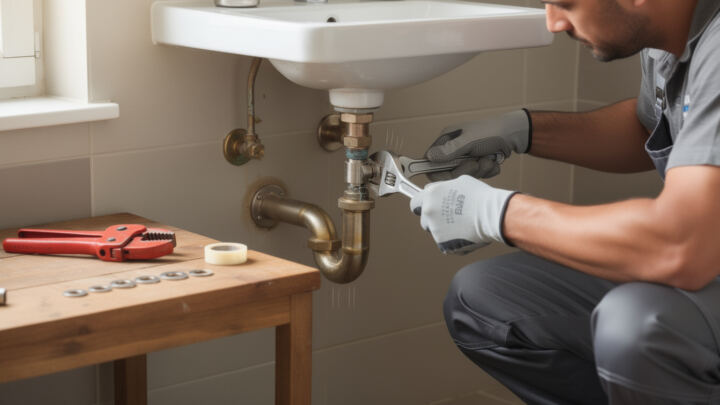
This is classic DIY plumbing repair: shut off water, disassemble carefully, bring the old part to the store for a match, lubricate with plumber’s grease, and reassemble. It’s not glamorous, but it’s effective—and it makes the whole “noisy plumbing” problem feel a lot less mysterious.
Next up is the stealth quieting method that also helps with energy loss and condensation: insulation.
Pipe Insulation and Soundproofing: Materials, Methods, and Real-World Payoff
Pipe insulation is underrated because it doesn’t feel like a “repair.” It’s more like giving your plumbing a hoodie. But for sound control, it can be a game-changer—especially when the noise is traveling through framing and making entire rooms act like speakers. It also helps with condensation on cold lines and heat loss on hot runs, so you’re stacking benefits.
Maya’s ticking sound came from hot water lines rubbing slightly as they expanded and cooled. The pipe wasn’t failing; it was just doing physics. The fix was adding insulation and softening contact points where the line passed through studs.
Best sound-dampening insulation options (and when to use them)
Not all wraps behave the same. Pick based on temperature, access, and how aggressive you need the noise reduction to be.
- 🧩 Foam sleeves: easy, clean, great for most residential hot/cold lines. Good everyday choice.
- 🧤 Fiberglass wrap: strong sound dampening and high-temp tolerance; handle carefully and seal well.
- 🧱 Mass-loaded vinyl (MLV) wrap: adds density like a sound barrier; excellent for stubborn pipe noise in walls/ceilings when accessible.
The key idea is vibration absorption. You’re not “blocking” water sound so much as stopping the pipe from turning your studs into a drum. That’s why insulation plus proper supports tends to outperform either solution alone.
How to install pipe insulation cleanly (so it doesn’t peel off later)
Measure pipe diameter first—loose sleeves flop and leave gaps. Wipe the pipe clean and dry so tape sticks. Cut sleeves to length, wrap corners with neat 45-degree cuts, and seal seams with insulation tape every foot or so. If you’re using barrier-style wraps, overlap edges and seal them like you’re trying to keep sound from “leaking” out of the seam.
Maya focused on the wall-adjacent sections: the runs near bedrooms and the vertical chase behind the upstairs bathroom. That’s where the sound transmission felt loudest. The result wasn’t “silence,” but it was a noticeable drop: the kind where you stop thinking about it, which is the whole point.
When insulation isn’t enough (and what that usually means)
If you’ve insulated, strapped, adjusted pressure, and added arrestors—and you still have loud banging or strange gurgling—there may be a deeper issue: a venting problem, a partially blocked drain, a failing main shutoff, or corrosion on older lines. That’s when calling a pro is not surrender; it’s smart plumbing maintenance.
Typical service pricing still varies by region, but many noise-related visits land in a few hundred dollars, while wall access and replacement work can climb significantly. If the noise comes with discoloration, odor, or sudden pressure drops, treat it as urgent rather than “just annoying.” The quietest home is the one that isn’t hiding water damage.
What’s the quickest DIY fix for rattling pipe noise?
Rattling usually comes from pipe vibration against framing. Add supports (straps/clamps) on horizontal runs—often every 4–6 feet—and cushion any contact points with rubber or foam. This stabilizes the line so it can’t tap wood or metal when water flows.
How do I know if water hammer is the reason my pipes bang?
If you hear a sharp bang right after you shut off a faucet, or when an appliance like a washing machine stops filling, that’s a strong water hammer signature. A water hammer arrestor installed close to the quick-closing valve (ideally within about 6 feet) usually fixes it.
What water pressure should a home be set to for noise reduction?
Most homes feel best around 40–60 PSI. If you measure above 80 PSI, pressure is likely contributing to whistling, hammering, and wear on fixtures. A pressure reducing valve (PRV) on the main line can bring it down to a quieter range like 50–60 PSI.
Can pipe insulation really reduce pipe noise, or is it just for energy savings?
It can absolutely reduce pipe noise. Pipe insulation absorbs vibration and helps prevent pipes from transmitting sound through studs and floors. Foam sleeves are the easiest start; fiberglass and mass-loaded vinyl wraps can provide stronger sound dampening in tougher cases.
When should I stop trying DIY fixes and call a plumber?
Call a pro if the noise persists after basic fixes (straps, arrestors, pressure adjustment, insulation), if the pipes are inside walls/ceilings you can’t access, or if you notice red flags like water discoloration, sudden pressure changes, or unusual odors. Those can signal problems beyond simple noisy plumbing.