- 🧪 Health first: older homes may still hide lead lines or lead-based fixtures, so testing and targeted replacement matters.
- 🔎 Small signs, big savings: smart leak detection habits stop “tiny drips” from turning into mold and structural damage.
- 🚿 Better flow without chaos: tackling water pressure issues often starts with aerators, valves, and buildup—not instant repiping.
- 🧼 Gentle beats harsh: consistent drain cleaning with screens + enzymes is safer than chemical cleaners for aging lines.
- 🧯 Emergency readiness: reliable shutoffs (modern ball valves) turn panic moments into 30-second fixes.
- 🔥 Hot water efficiency: a yearly flush and insulation upgrades keep older heaters from wasting energy.
- 🧰 Plan, don’t patch forever: smart pipe repair mixes short-term stabilization with long-term replacement priorities.
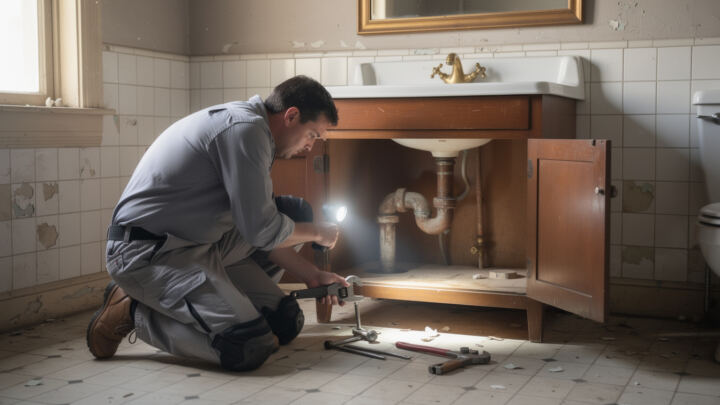
Old houses have that “they don’t build ’em like this anymore” vibe—thick plaster, creaky stairs, cool trim you can’t buy at a big-box store. But behind the charm, the plumbing can be a different story: pipe materials that were normal decades ago, venting that doesn’t match today’s expectations, and shut-off valves that feel like they’ve fused into place. If you’ve ever turned on a faucet in an upstairs bathroom and watched the stream wheeze like it’s running a marathon, you’ve seen the gap between vintage design and modern daily use.
The real trick to plumbing maintenance in older homes is thinking like a caretaker, not a firefighter. You want routines that spot problems early, upgrades that don’t wreck your home’s character, and a “replace vs. repair” mindset grounded in safety—especially around lead. The EPA has long warned that even low levels of lead exposure can harm children’s development, and that’s why lead service lines and lead-containing fixtures are no longer a “maybe later” project. The good news: with a few practical habits and some strategic updates, old systems can run smoothly for years—without turning every weekend into a renovation show.
How to Maintain Plumbing Systems in Older Homes: Know Your Pipes, Know Your Risks
Before you touch a wrench, get clear on what’s actually in your walls. A lot of homeowners in older homes assume they have “some old metal pipes” and leave it at that. But the difference between galvanized steel, cast iron, copper, and polybutylene isn’t trivia—it’s how you decide what to prioritize, what to monitor, and what to replace fast.
Let’s follow a simple storyline. Imagine Mia and Jordan buy a 1940s place. The inspection notes “mixed supply piping” and “original sewer line suspected.” They’re not trying to gut the house; they just want reliable showers, no surprises, and safe water for their toddler. That’s the right goal. Step one is an annual inspection mindset, but step zero is identifying materials.
Common pipe materials in older homes (and why they act up)
Lead pipes show up in some houses built before the mid-20th century, especially on service lines feeding the home. Lead is the big red flag because it’s not just a leak risk—it’s a health risk. If your home has a lead service line, replacement is the cleanest answer. Partial replacements can sometimes disturb scale and temporarily raise lead levels, so you want a plan that’s coordinated and tested.
Galvanized steel was popular in the mid-century era. The problem is internal corrosion and rust buildup. The pipe may look fine outside, but inside it can get rough and clogged like an artery. That’s where your water pressure goes. It also sets you up for pinhole leaks and ugly, reddish water.
Cast iron is the old workhorse for drain and sewer lines. It can last a long time, but it doesn’t last forever. Internal corrosion can create flaky buildup that catches debris, and joints can fail. In basements, you might see sweating or rust “weeping” at seams—often the first hint that a bigger issue is loading.
Polybutylene (common from the 1970s into the 1990s) has a reputation for becoming brittle, especially with disinfectants like chlorine present in municipal water. Failures can be sudden—more burst than drip—so if you find it, your long-term plan usually includes replacement.
A quick reference table for maintenance priorities
| Material 🧱 | Typical era 🗓️ | Main risk ⚠️ | Maintenance move 🛠️ | Upgrade path 🚀 |
|---|---|---|---|---|
| Lead 🧪 | Pre-1950s | Water contamination | Test water + confirm line material | Replace with copper or PEX |
| Galvanized steel 🧲 | 1930s–1960s | Rust, low water pressure | Aerator cleaning + valve check | Repipe sections in PEX/copper |
| Cast iron 🕳️ | 1900s–1970s | Scaling, cracks, backups | Camera inspection + targeted drain cleaning | Line replacement or relining |
| Polybutylene 🧵 | 1970s–1990s | Brittle, burst risk | Monitor fittings + pressure spikes | Replace with PEX |
Corrosion prevention as a strategy, not a product
Corrosion prevention starts with controlling conditions that accelerate decay: moisture around pipes, aggressive water chemistry, and dissimilar metal connections that cause galvanic corrosion. Mia and Jordan found one classic mistake: a copper repair joined directly to galvanized steel without a dielectric union. That connection can speed up corrosion at the joint. A plumber fixed it properly, and suddenly the “mystery dampness” stopped returning.
If you’re on a private well, water testing helps you understand if pH or hardness is chewing up your plumbing. If you’re on city water, mineral scale still happens, just with different patterns. Either way, knowing your material mix is the foundation of smart maintenance—and it sets up the next step: finding leaks before they become renovations.
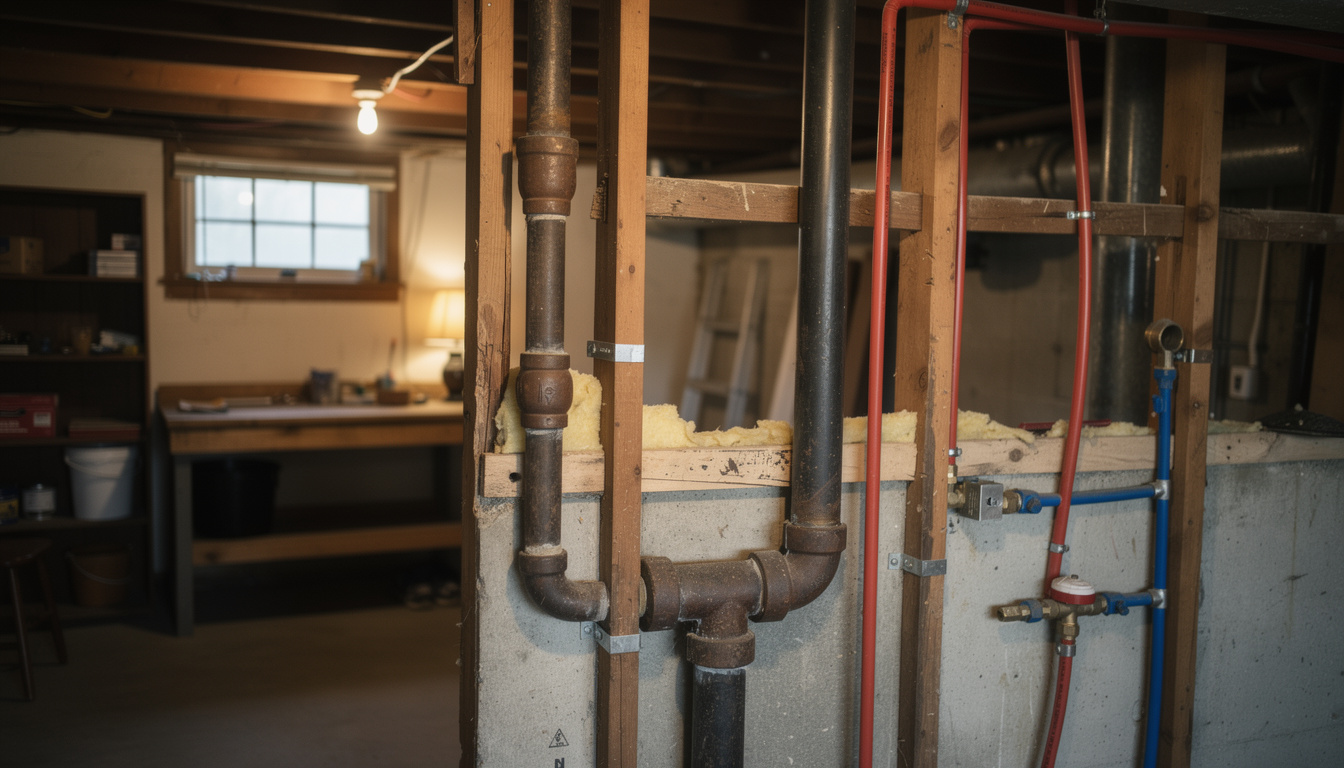
Leak Detection and Pipe Repair in Older Homes: Catch Problems While They’re Still Small
In a newer build, a leak is annoying. In older homes, a leak can be a slow-motion wrecking ball—soaking plaster, feeding mold behind wood paneling, and warping historic flooring you can’t easily match. The goal isn’t paranoia; it’s routines. Think of leak detection like checking tire pressure: boring until it saves you from a disaster.
Where older homes “quietly” leak
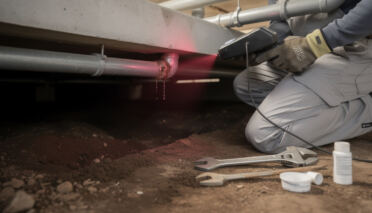
Start with the obvious: under sinks, behind toilets, around the water heater. Then go one level deeper. Older houses often have long pipe runs through crawl spaces or behind built-ins. Those areas don’t get noticed until you smell something musty or see a stain. If your home has radiator heat but later got retrofitted with modern bathrooms, you may have odd pipe routing—another place hidden leaks like to live.
Mia noticed a faint brown halo on a dining-room ceiling after a heavy weekend of guests. It wasn’t dramatic, just “off.” That’s exactly the kind of moment that pays off. They shut off upstairs fixtures one by one, then checked the water meter. With everything off, the meter still moved slightly. That’s your hint: water is going somewhere.
Practical leak detection steps you can actually keep up with
- 🚰 Do the meter test: turn off all taps and appliances, then watch the meter for 10–15 minutes.
- 👂 Listen for constant toilet fill: running toilets are stealthy bill-raisers and common in older bathrooms.
- 🧻 Check for moisture patterns: wipe valves and traps with tissue; dampness shows fast.
- 📟 Add water sensors: place them near the water heater, washing machine, and under sinks.
- 🗂️ Log “weird” moments: a single stain, a single odor, one spike in the bill—patterns matter.
Pipe repair: when a patch is fine and when it’s fantasy
There’s nothing wrong with a temporary stabilizer (like epoxy putty or a repair clamp) if you’ve got a drip and need to stop damage today. But it’s not a plan. If the pipe is corroded along a section, the next leak is usually waiting a few inches away. That’s why the best pipe repair decisions are about the surrounding conditions: pipe age, material, accessibility, and whether the leak is isolated or part of a broader failure pattern.
A good plumber will often suggest “surgical replacement” first—swap a failing segment, upgrade fittings, and add proper supports—especially if you’re trying to preserve plaster walls. But if your house still has long runs of galvanized steel with chronic low flow and recurring leaks, repiping becomes less of a luxury and more of a stress-reduction tool.
Lead and safety: don’t “wait and see”
If you suspect lead service lines or lead-based fixtures, treat that as a priority project. In the U.S., the EPA has estimated there are millions of lead service lines still in place, and many towns are actively replacing them. In 2026, you’ll often find local programs, rebates, or coordinated street projects—worth asking about. The insight here is simple: the safest pipe is the one that can’t leach lead.
Once leak risk is under control, the next big comfort issue is usually flow—because nothing makes an old house feel older than a shower that can’t decide whether it’s on or off.
If you want a quick visual walkthrough on common leak checks, it helps to see what pros look for in real time.
Water Pressure Troubleshooting for Older Homes: From Aerators to Main Lines
Water pressure complaints in older homes are rarely random. They’re usually the result of restriction (mineral buildup, corrosion, partially closed valves) or supply issues (main line problems, failing pressure regulators). The good news is you can troubleshoot in layers, starting with cheap fixes and moving toward bigger interventions only when the evidence points there.
Start at the fixture: the 10-minute wins
Unscrew faucet aerators and showerheads and check for mineral crust. In hard-water areas, this alone can make a sad sink feel normal again. Soak parts in vinegar, scrub gently, and rinse. If the home has vintage fixtures you want to keep, cleaning and rebuilding can preserve the look while improving function.
Then check angle stops (the shut-offs under sinks and toilets). In older systems, these valves can be partly seized. You think they’re open, but they’re stuck at 60%. That creates weak flow and can also make you feel like your whole house has low pressure when it’s really a local problem.
Work backward: isolate zones and compare
Mia and Jordan did a simple comparison: kitchen sink pressure was decent, upstairs shower was awful. That points to either a branch restriction (galvanized line feeding upstairs) or a fixture-specific clog. A plumber confirmed heavy internal scaling in the upstairs galvanized run. They replaced that run with PEX while leaving other areas intact. Suddenly the house didn’t feel “old” when you turned on the shower.
When low pressure is a whole-house issue
If every fixture struggles, look at the main shut-off and any pressure-reducing valve (PRV) if you have one. A failing PRV can under-deliver. A corroded main shut-off can do the same. And if the home still has an older, narrow-diameter service line—sometimes even lead—your best “pressure upgrade” might be a service replacement.
Also consider sediment and corrosion inside water heaters or boilers with domestic coils (common in some regions). If hot pressure is worse than cold, the restriction could be in the heater, not the supply piping.
Pipe insulation: comfort, noise control, and resilience
Pipe insulation sounds like a winter-only topic, but it’s a year-round quality-of-life upgrade. Insulated hot lines deliver warm water faster, which means less waste at the tap. In winter, insulation reduces freeze risk in crawl spaces and exterior walls—especially important in older homes with quirky air leaks and less consistent cavity insulation.
If you’ve ever had a “frozen pipe panic” night, you know why this matters. Pair insulation with sealing drafts where pipes enter the house. It’s not glamorous, but it’s the kind of maintenance that prevents the 2 a.m. emergency call.
Once pressure is stable, daily maintenance gets easier—especially in drains, where decades of buildup can turn “normal use” into constant clogs.
Drain Cleaning and Sewer Care for Older Homes: Keep Things Moving Without Damaging Pipes
Drain cleaning in older homes is a balancing act. You want clear lines, but you don’t want to blast fragile pipes with harsh chemicals or ignore warning signs until you’re ankle-deep in a backup. Old drains often have decades of grease, soap scum, and scale layered inside—plus the occasional surprise from past renovations.
What causes slow drains in older houses (beyond “someone used too much toilet paper”)
Kitchen lines collect fats and oils that cool and cling to pipe walls. Bathroom drains collect hair and soap residue that turns into a sticky net. In older cast iron, internal corrosion creates a rough texture that grabs debris even faster. And if you have clay or older sewer segments outside, tree roots treat tiny cracks like an invitation.
A classic sign of venting problems is gurgling: the drain “talks” because it can’t breathe. That’s not just annoying—it can slow drainage and pull water out of traps, letting odors creep in. Poor venting is common in older layouts, especially where bathrooms were added later without proper vent routes.
The safest home routine for drain care
- 🧲 Use drain screens in showers and sinks to catch hair and debris before it enters the line.
- 🧴 Choose enzymatic cleaners monthly instead of caustic chemicals that can stress aging materials.
- 🚫 Skip the “flushable” wipes—they’re a major clog source in real-world plumbing.
- 🍳 Handle grease like paint: collect it and trash it, don’t rinse it.
- 🪠 Use a plunger first, then a hand snake if needed—simple tools, less risk.
When you need a pro: hydro jetting, camera inspections, and root issues
If slow drains keep coming back, that’s not bad luck; it’s a system telling you something. A sewer camera inspection is the fastest way to stop guessing. You can see bellies (negative slopes that hold waste), cracked joints, heavy scaling, or root intrusion. Hydro jetting can clear buildup and small roots effectively, but it should be chosen carefully—especially if pipes are already fragile. A good plumber will evaluate pipe condition before jetting at full force.
Mia and Jordan had a recurring basement floor drain burp after rainstorms. Camera inspection showed a partial blockage plus early root intrusion at a joint. They jetted the line, then added a root management plan and budgeted for eventual replacement if cracking expanded. That’s the older-home approach in a nutshell: stabilize now, plan smartly, don’t wait for catastrophe.
Venting fixes that don’t require tearing the house apart
If your issue is airflow, adding a conventional vent stack can be invasive. In some situations, an air admittance valve (AAV) can help by letting air in so drains flow better. It’s not appropriate everywhere and must meet local code, but it’s a practical option when routing a new vent is unrealistic. The insight: sometimes the fix isn’t “clean harder,” it’s “let the system breathe.”
With drains under control, the most satisfying upgrades are the ones you feel every day—faucets that don’t drip, toilets that don’t run, and shut-offs that actually shut off.
Fixture Upgrade, Shut-Off Valves, and Annual Inspection Routines That Actually Stick
Old homes can burn money through tiny inefficiencies: a toilet that runs silently, a faucet that drips “just a little,” a shower valve that never quite mixes right. A smart fixture upgrade plan improves comfort, cuts waste, and reduces stress on aging pipes—without turning the house into a construction zone.
High-impact fixture upgrades (without losing the vintage look)
Start with toilets. Older models often use much more water per flush than modern designs. A running toilet can waste a shocking amount over time, and it’s often just a flapper or fill valve. Replace the internal parts if the porcelain is worth keeping, or replace the whole unit if it’s inefficient and finicky.
For faucets and showerheads, look for WaterSense-labeled options for efficiency without the sad “hotel drizzle” experience. If your home might have old brass fixtures with lead content, replacement is also about safety, not just savings.
Shut-off valves: the emergency gear you hope you never need
In older homes, shut-offs are frequently corroded gate valves that take multiple turns and may not close fully. In an actual leak, that’s a nightmare. Swapping to quarter-turn ball valves is one of those upgrades that feels boring—until the day it saves your floors. Test your main shut-off and fixture shut-offs a couple times a year. If they’re stiff, leaking, or stuck, replace them before you’re doing it under pressure.
Water heater upkeep that pays you back
Older water heaters lose efficiency because of sediment buildup, worn heating elements, and weak insulation. Flushing the tank annually helps reduce sediment. If you’re in a hard-water area, this matters even more. Adding an insulation blanket (where appropriate and safe) and insulating nearby hot-water pipes improves performance and reduces wait time for hot water.
If the unit is nearing the end of its life, upgrading to a high-efficiency tank or tankless model can reduce energy use, but the best choice depends on your household’s demand. A plumber can size it properly so you don’t end up with endless lukewarm showers.
A realistic annual inspection checklist for older homes
Here’s a routine that Mia and Jordan actually keep, because it’s short and scheduled:
- 🗓️ Annual inspection by a plumber familiar with older construction (materials, venting, access constraints).
- 🔧 Exercise main shut-off + key local shut-offs (kitchen, toilets, laundry).
- 💧 Check meter for hidden leaks and scan ceilings/walls for stains after heavy use weeks.
- 🧼 Clean aerators/showerheads; note any changes in water pressure.
- 🔥 Flush water heater and inspect for corrosion, odd noises, or slow recovery.
- 🌬️ Inspect pipe insulation and drafts in crawl spaces/basement rim joists.
Hiring the right plumber for older homes
Any licensed plumber can swap a faucet. But older houses reward specialists—people who know how to minimize damage to plaster, tile, and built-ins, and who understand legacy materials. Ask direct questions: Have they worked on historic systems? Do they recommend PEX, copper, or PVC for your layout—and why? Will they pull permits when needed? Do they warranty their work? The right answers sound practical, not salesy.
Get the fundamentals right—fixtures, shut-offs, routines—and the bigger projects (like repiping or sewer replacement) become planned decisions rather than crisis spending. That’s the real win with plumbing maintenance in old houses: you stay in control.
How do I know if my older home has lead pipes or lead service lines?
Start by checking any visible service line where it enters the home: lead is dull gray and scratches easily. Many utilities also keep service line records. For safety, use a certified lab water test, and if lead is confirmed, prioritize full replacement with copper or PEX rather than piecemeal changes.
Is it safe to use chemical drain cleaners in older homes?
Usually not a great idea. Harsh chemical cleaners can stress aging materials and worsen weak spots. Use screens, a plunger, a hand snake, or enzymatic cleaners for routine care. If clogs keep returning, a camera inspection and professional cleaning (sometimes hydro jetting) is the safer long-term move.
What are the fastest fixes for low water pressure before I consider repiping?
Clean aerators and showerheads, confirm angle stops are fully open, and check the main shut-off and PRV (if you have one). If only one area is weak, the issue is often a local restriction. If the whole house is low, you may be dealing with a corroded main line, failing valve, or heavy mineral buildup.
What should I do if my pipes freeze in winter?
Shut off the main water supply right away to reduce burst risk. Thaw slowly with a hair dryer, space heater, or warm towels—never an open flame. After thawing, inspect for leaks and consider adding pipe insulation and sealing drafts in crawl spaces or exterior walls to prevent repeats.
How often should I schedule a professional plumbing inspection for an older home?
At least once a year, and more often if you have galvanized supply lines, aging cast-iron drains, or any history of leaks/backups. A consistent annual inspection helps you plan upgrades, catch corrosion early, and avoid emergency repairs that can damage vintage finishes.