En bref
- 🚰 Learn the fastest shut off water moves to stop a bad situation from getting worse.
- ⚡ Put safety first: electricity + water is a risky combo, and gas smells are a “leave now” moment.
- 🧰 Stock simple emergency tools so you can control leaks and clogs without guessing.
- 🧱 Use smart temporary fixes (tape, clamps, buckets) for water damage prevention while help is on the way.
- 🚽 Treat sewer smells, multiple slow drains, and overflow as real plumbing emergencies.
- 📞 Know when to call an emergency plumber—some problems escalate in minutes.
- 🧊 Prevent winter problems like a pipe burst with insulation and small habit changes.
It always happens at the worst time: you’re halfway through a shower, the toilet starts rising like it’s possessed, or you hear that sharp “pop” behind a wall that instantly makes your stomach drop. Plumbing emergencies don’t just interrupt your day; they can chew through floors, drywall, and budgets with scary speed. The tricky part isn’t only the mess—it’s the first five minutes, when most people either act fast and limit damage or freeze and accidentally make it worse. A quick response isn’t about being a DIY hero. It’s about knowing a few high-impact moves: how to shut off water without hunting around, how to keep the situation safe (especially when electricity or gas is involved), and what “good enough for now” looks like until professional help arrives.
To keep this practical, we’ll follow a simple thread through the whole article: a fictional homeowner named Maya, who lives in a typical suburban house and learns the hard way that “I’ll deal with it later” is basically an invitation for damage. Each section tackles a different emergency angle—burst pipes, drains, water heaters, and decision-making—so you can react calmly, buy time, and protect your home with real water damage prevention steps.
Plumbing emergencies triage: the first 10 minutes that actually matter
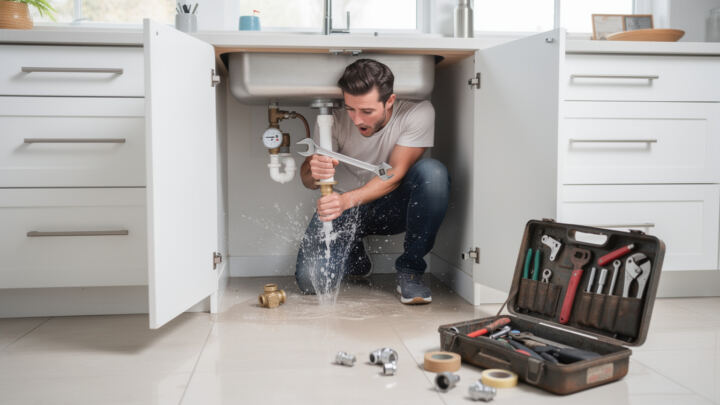
When something goes wrong, your brain wants to diagnose it. Resist that urge for a moment. In most plumbing emergencies, the first priority is controlling flow and preventing hazards. Maya learned this when a supply line under her bathroom sink started spraying like a tiny firehose. She wasted 90 seconds looking for the “source,” which was obvious, and those 90 seconds were enough to soak the vanity and creep into the hallway.
Your triage checklist is simple: stop the water, keep people safe, and reduce spread. If water is pooling near outlets, power strips, or appliances, treat it like an electrical problem too. A quick response sometimes means flipping the breaker before you touch anything else.
How to shut off water fast (main valve vs. fixture valves)
Knowing how to shut off water is the single most useful skill in a home emergency. The main shutoff is commonly near the water meter, in a basement, a utility closet, garage, or outside wall facing the street. If you’ve never located it, you’re not alone—most people only find it mid-crisis, which is the worst time to play hide-and-seek.
For localized problems—like a running toilet, a leaking faucet, or a failed supply hose—use the fixture shutoff valve first. It’s usually a small knob or lever near the toilet base, under the sink, or behind an appliance. If that valve is stuck or broken, go straight to the main.
One detail people miss: after turning off the main, open a faucet at the lowest point in the house (often a tub spout or basement sink) to drain pressure. That reduces continued dripping and makes leak repair steps safer.
Safety moves people skip (and regret) ⚠️
If the water is coming from a ceiling light area, a wall with outlets, or a laundry room packed with plugged-in gear, cut power to that zone at the breaker panel. Don’t stand in water while doing it. If you smell gas (that sulfur/rotten-egg odor) or hear a hiss near a gas appliance, leave immediately and call the gas utility from outside. That’s not a “wait and see” situation.
Even without gas, sewer water is a health issue. If you see wastewater backing up, keep kids and pets away and avoid using sinks or toilets until it’s handled. You’re not being dramatic—contamination is real, and cleanup gets expensive fast.
Containment for water damage prevention (before you fix anything)
Containment is the boring part that saves your floors. Grab towels, buckets, and if you have one, a wet/dry vacuum. Move rugs and anything that can wick moisture. If a ceiling is bulging, place a bucket under it and puncture a tiny hole at the lowest point to relieve pressure—messy, yes, but it can prevent a larger collapse of soggy drywall.
Think of it like this: every gallon you keep out of subflooring is a gallon you don’t have to dry for days. That’s water damage prevention in real life, not a slogan.
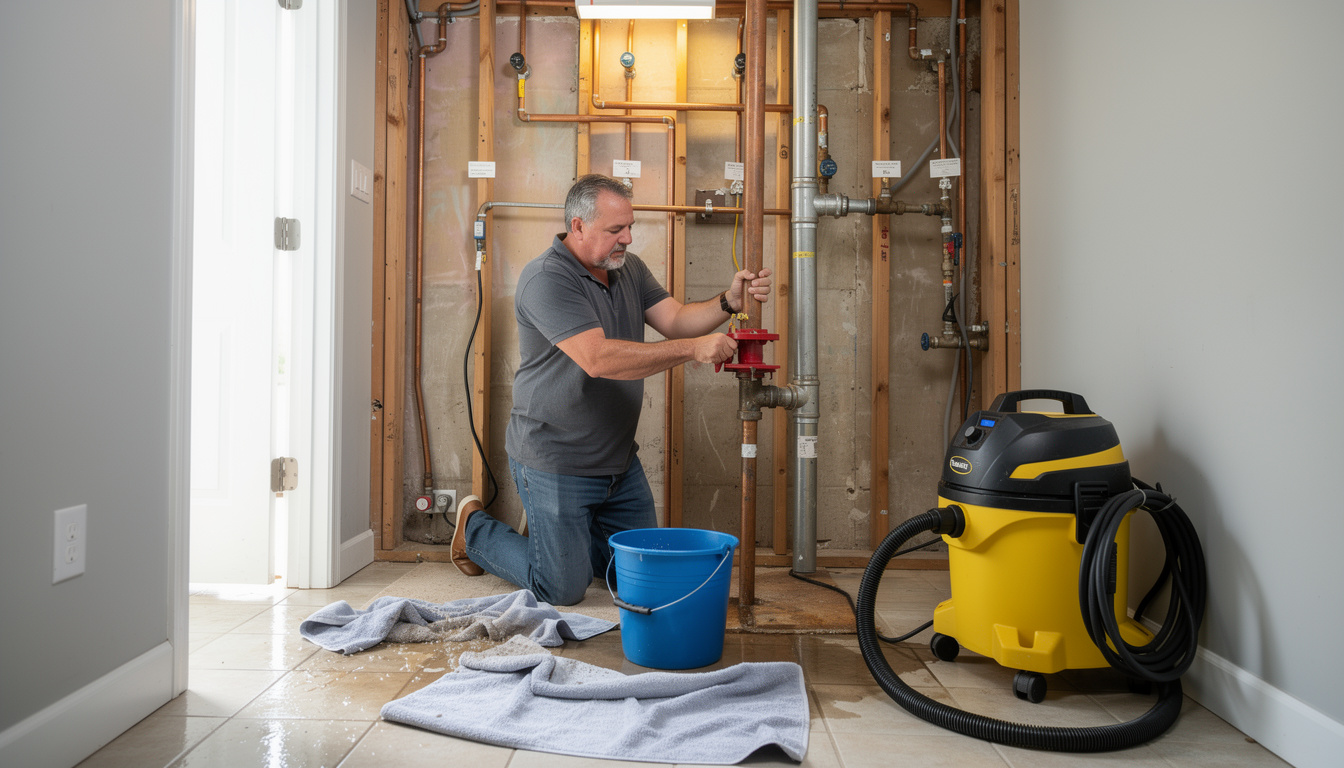
Burst and frozen pipes: how to react when a pipe burst turns your house into a sprinkler
A pipe burst is the kind of emergency that feels cinematic—because water moves like it has a plan. In colder regions, freezing is a major trigger: water expands as it turns to ice, pressure spikes, and older pipes or weak joints fail. In warmer areas, burst lines still happen from corrosion, shifting soil, or high pressure events after municipal work. Maya’s burst didn’t come from a blizzard; it came from an aging pipe elbow in a wall that finally gave up after years of mineral buildup.
What matters is speed. A burst line can dump dozens of gallons in minutes. The goal is to stop flow, relieve pressure, and limit soaking while you decide whether it’s a DIY patch or a call for an emergency plumber.
Recognizing early signs before the “pop”
Pipes rarely fail with no warning. Watch for unexplained drops in pressure, banging noises (water hammer), whistling, or damp spots that appear and disappear. Paint bubbling near baseboards, a musty smell in one room, or a warm patch on a floor (from a hot line leak) can signal a hidden issue.
If you spot those, act like you’re preventing an emergency, because you are. A proactive inspection or small leak repair is cheaper than replacing flooring.
Temporary fixes that buy time (without pretending it’s “fixed”) 🧰
After you shut off water and open faucets to drain pressure, you can sometimes slow a leak enough to prevent major damage. These temporary fixes are not “forever,” but they can keep things stable until help arrives:
- 🩹 Rubber patch + clamp: A piece of rubber (even a heavy-duty garden hose segment) pressed over the crack, tightened with a repair clamp, can hold surprisingly well.
- 🧻 Wrap and compress: For a pinhole spray, wrap with cloth or self-fusing silicone tape, then compress with a clamp or zip ties.
- 🪣 Redirect flow: If you can’t seal it, reduce spread—use a bucket funnel, towels as “dams,” and move valuables.
One caution: avoid chemical “leak stop” products marketed for plumbing lines. They can cause downstream blockages and make a professional repair more complicated.
Preventing frozen pipes when temperatures swing
Freezing risk isn’t only about extreme cold. It’s also about sudden drops, wind exposure, and pipes sitting in unheated cavities. Insulate exposed sections in crawlspaces and garages. On cold nights, a slight faucet drip can keep water moving, reducing ice formation. Keep interior doors open so warm air reaches plumbing runs under sinks.
Maya now treats cold snaps like a checklist, not a vibe. That mindset shift is what keeps a pipe burst from returning.
To see what pros typically do on arrival (and what you can do before that), a short visual walkthrough helps.
Clogged drain and sewer backup chaos: when “slow sink” becomes a health hazard
A clogged drain is the most underrated emergency because it often starts as a mild annoyance. Then, suddenly, multiple fixtures act weird at once: the shower gurgles when you flush, the kitchen sink drains like molasses, and there’s that unmistakable sewer smell. That’s the moment to stop treating it like a “weekend project.” If wastewater comes up into a tub or shower, you’re dealing with a potential sewer line issue, and that’s firmly in plumbing emergencies territory.
Maya’s warning sign was a gurgle in the downstairs toilet. She ignored it. Two days later, the laundry drain overflowed with gray water mid-cycle. The real lesson: when several drains misbehave together, the blockage is often deeper than one trap.
What not to do: chemical drain cleaners and endless flushing
Store-bought drain chemicals feel like action in a bottle, but they can soften older pipes, damage seals, and make it harder for a plumber to snake a line safely. If the clog is severe, chemicals can sit in the pipe and create a hazardous splash risk during service.
Also, don’t keep running water “to see if it clears.” You’re basically feeding the flood. For backups, the best quick response is to stop using water fixtures immediately.
First-aid steps that are actually useful
For a single slow fixture, start simple: remove visible debris, plunge correctly (seal matters), and use a hand auger/drain snake if you know how. If it’s a bathroom sink, hair and soap buildup are common. If it’s a kitchen line, grease is the repeat offender—especially if hot oil ever went down the drain.
If more than one drain is affected, treat it like a bigger system blockage. Close off usage and call an emergency plumber if sewage is present or if you’ve got standing wastewater.
Decision table: DIY attempt or call now?
| Situation | Best move | Why it matters |
|---|---|---|
| 🚿 One slow shower drain, no odors | Plunge + small snake | Likely localized hair/soap clog; low risk if you don’t use chemicals |
| 🚽 Toilet bubbling when sink runs | Stop water use + call | Could signal a venting issue or main line restriction |
| 🦠 Sewage backing into tub/shower | Call emergency plumber immediately | Contaminated water + high chance of main line blockage |
| 🏡 Multiple drains slow at once | Limit use, schedule urgent service | Suggests deeper blockage; early action prevents overflow |
| 🌳 Repeated clogs, older neighborhood | Camera inspection | Tree root intrusion or pipe collapse becomes more likely |
Real-world prevention that doesn’t feel like a lecture
Drain screens cost less than a takeout order and prevent most hair problems. Don’t flush wipes (even “flushable” ones), paper towels, or hygiene products. In the kitchen, wipe grease into a container and trash it. If your home has a history of roots in the line, periodic professional cleaning and inspection can keep the main clear.
This is where “boring habits” shine: consistent, small actions keep the big ugly backups away.
If you want a visual guide on using a plunger and hand auger the right way (most people do it wrong the first time), a quick demo helps.
Water heater failures and gas leaks: handling heat, pressure, and real danger fast
A leaking water heater can look manageable—until it isn’t. The tank can release a steady stream that quietly floods a garage, closet, or utility room, soaking drywall and spreading under flooring. In other cases, the “leak” is actually a failing pressure relief valve or a loose connection that becomes a bigger rupture later. Maya noticed warm water pooling near her unit and assumed it was condensation. It wasn’t, and by the next morning the base of the cabinet nearby was swelling.
Gas-related issues are in a different category altogether. If you suspect a gas leak, the correct move is immediate evacuation and a call to the utility or emergency services. No troubleshooting, no flipping switches, no “just one more sniff.” Safety beats curiosity every time.
Leak repair priorities for a water heater leaking
If your water heater leaking situation is actively spreading, do three things in order: shut off the cold-water inlet to the heater, cut power (turn off the breaker for electric units or set gas control to off), and contain water with pans/towels. If the leak is from a fitting, you might tighten it slightly, but don’t crank it like you’re tightening lug nuts—over-torquing can crack fittings.
If water is coming from the tank body itself, replacement is often the real solution. Temporary patches on a corroded tank are unreliable. That’s not pessimism; it’s physics and rust.
Gas leak protocol (no negotiation) 🔥
If you smell gas or hear hissing near a gas water heater or line: leave the house, don’t use your phone inside, don’t flip light switches, and call the gas company from outdoors. Then call an emergency plumber or licensed gas technician for repairs once the area is declared safe.
Symptoms like dizziness or nausea can also happen with gas exposure. If anyone feels unwell, seek medical help. It’s better to be overly cautious than to gamble with invisible risk.
A practical emergency kit for heater and utility room incidents
In 2026, a lot of people rely on smart leak sensors (great), but you still want basics within arm’s reach. Keep these emergency tools near your shutoffs, not buried in a random drawer:
- 🔧 Adjustable wrench (for supply lines and shutoff nuts)
- 🪠 Plunger (yes, even for non-toilet emergencies)
- 🧵 Plumber’s tape + self-fusing silicone tape for temporary fixes
- 🧲 Flashlight or headlamp (hands-free matters)
- 🪣 Bucket + heavy-duty towels
- 🧰 Pipe repair clamp kit (small investment, big payoff)
- 📱 Printed list of contacts (because phones die at the worst moment)
Having the kit doesn’t make you paranoid; it makes you faster, and speed is the whole game in water damage prevention.
Calling an emergency plumber: how to judge urgency, avoid scams, and speed up the fix
There’s a point where DIY stops being brave and starts being expensive. The trick is recognizing that point early. Maya tried to “manage” a leak behind a washing machine with towels for half a day. By the time she called, the baseboard was swollen and the drywall had absorbed moisture. The plumber fixed the line quickly; the restoration took much longer.
An emergency plumber is worth it when the risk curve is steep: uncontrollable water flow, sewage, loss of essential fixtures, or anything involving gas. The goal isn’t just repair—it’s limiting secondary damage that costs more than the original pipe part ever would.
What makes an issue truly urgent?
Use these factors to decide:
- 🚨 Unstoppable flow even after you shut off water at the fixture (or you can’t access a shutoff).
- 🧫 Health hazard like sewage backup, mold risk, or contaminated water.
- 🏚️ Structural risk: sagging ceilings, water running behind walls, or soaking near load-bearing areas.
- 🔥 Safety risk: suspected gas leak or water near active electrical systems.
- 🚽 Loss of essentials: no working toilet in a one-bath home, or no water supply.
If two or more apply, you’re not overreacting—calling is the smart move.
How to find reliable emergency service fast (without panic scrolling)
Look for local companies with verified licensing, clear emergency pricing, and a real street address. Reviews matter, but focus on patterns: response times, transparency, and whether customers mention clean work and clear explanations. Ask directly about after-hours fees and whether parts availability might delay the repair.
In many areas, emergency service often starts with a call fee (commonly around $100–$350), then hourly labor that can range widely depending on region and time. In 2026, it’s normal for rates to vary from about $70 to $400 per hour in high-demand situations. The best protection is getting an upfront estimate and asking what could change it (parts, access issues, or restoration needs).
What to tell the plumber so they show up prepared
Your call should include: where the leak/backup is, whether water is shut off, whether there’s sewage, and whether electricity or gas is involved. If you can safely snap a photo, do it. Mention pipe material if you know it (copper, PEX, galvanized). The more specific you are, the more likely they arrive with the right fittings and tools, which shortens downtime.
That’s the quiet secret of a quick response: not just speed, but clarity.
What should I do first in plumbing emergencies?
Start with safety and control: shut off water at the nearest valve (or the main), keep people away from contaminated water, and turn off electricity in affected areas if water is near outlets. Then contain water with buckets/towels for water damage prevention and call an emergency plumber if the situation is spreading or hazardous.
Can a running toilet be an emergency?
Sometimes, yes. A running toilet can waste a lot of water and can overflow if the fill valve or flapper fails. If you can’t stop it quickly, shut off water at the toilet’s supply valve and schedule leak repair—especially if it’s your only bathroom.
How do I prevent a pipe burst during cold weather?
Insulate exposed pipes, keep indoor temperatures stable, open cabinet doors under sinks so warm air circulates, and let faucets drip slightly during freezing nights. These steps reduce pressure from ice formation and lower the chance of a pipe burst.
What emergency tools should I keep at home for quick response?
Keep an adjustable wrench, plunger, bucket, towels, flashlight, plumber’s tape, self-fusing silicone tape, and a pipe repair clamp. These emergency tools help with temporary fixes and containment until an emergency plumber arrives.
How long should I wait for an emergency plumber?
In many cities, urgent calls are often handled within 1–2 hours, but weather events and local demand can stretch that window. If you’ve shut off water and contained the leak, you can wait longer safely; if sewage, uncontrolled flow, or gas is involved, escalate immediately to the fastest available service.