In brief
- 🚰 A leaking toilet can waste surprising amounts of water—fast—so toilet leak detection is the first win.
- 🔧 Most fixes are beginner-friendly: flapper valve fix, fill valve tweaks, and tightening tank hardware.
- 💧 Smart water conservation habits plus the right parts help reduce water waste and save water every day.
- 🧼 Base leaks often mean toilet seal replacement (wax ring or gasket) and checking the flange.
- 🧾 A simple checklist + a few tools turns “call a plumber” into DIY toilet repair for many households.
A toilet that leaks is the kind of problem that feels small—until you hear that faint, constant refill sound at 2 a.m. or you open your water bill and wonder who’s been taking hour-long showers. The tricky part is that toilet leaks don’t always show up as a puddle on the floor. Sometimes the water slips silently from tank to bowl, sometimes it creeps out around bolts, and sometimes it seeps under the base where you won’t notice until the floor starts to smell “off.” The good news is that most toilet repair jobs for leaks are straightforward, cheap, and genuinely satisfying to knock out in an afternoon.
To keep things real, we’ll follow a simple storyline: Alex, a renter-turned-homeowner, decides to tackle a fix toilet leak mission after noticing the toilet running on and off. What Alex learns—about tiny rubber parts, simple adjustments, and when to stop and call help—maps almost perfectly to what you’ll run into. If you want to save water without overthinking it, start here: find the leak, fix the part, verify the result, and lock in better habits so the same issue doesn’t come back.
Leaking Toilet Detection: Find the Real Source Before You Touch a Wrench
The biggest mistake people make with a leaking toilet is guessing. A toilet can “leak” in three very different ways: from the tank into the bowl (silent and expensive), from the tank onto the floor (obvious but not always easy to pinpoint), or from the base (messy and potentially damaging). If you do toilet leak detection properly, you’ll know which fix actually matches the symptom.
Start with the easiest test: the dye check
Alex’s first move was a dye test. Drop a few drops of food coloring into the tank, wait 10–15 minutes, and don’t flush. If color appears in the bowl, you’ve got a leak between tank and bowl—usually the flapper or flush valve seat. This is the classic “no puddles, still wasting water” problem, and it’s a prime target for water conservation.
Why it matters: a slow seep can keep the fill valve cycling, which means you’re paying for water you never actually use. If your toilet refills itself randomly, that’s a loud hint.
Listen, look, and feel: quick clues that narrow it down
Next, Alex did a fast sensory check. Is there a constant hiss? That suggests the fill valve is running or the water level is too high and spilling into the overflow tube. Any moisture on the outside of the tank? That could be tank bolts, the supply line connection, or even condensation that mimics a leak.
Run a dry paper towel around these spots:
- 🧻 Under the tank bolts (inside the bowl area behind the seat)
- 🧻 Around the supply line nut at the bottom of the tank
- 🧻 Around the shutoff valve at the wall
- 🧻 Around the base edge where the toilet meets the floor
If the towel comes back wet in one location, you’ve got a map. If it’s dry everywhere but you still hear refilling, you’re back to a tank-to-bowl issue.
Use a simple decision table to avoid “parts roulette”
Instead of buying three parts and hoping one works, Alex used a quick symptom-to-fix approach. It’s not fancy, but it’s effective.
| Symptom | Most likely cause | Best first fix | Water impact |
|---|---|---|---|
| 🚽 Colored dye shows in bowl | Flapper not sealing / worn seat | flapper valve fix or clean seat | 💧 High (silent loss) |
| 🔊 Toilet refills randomly | Water level too high / fill valve issue | Adjust float, inspect fill valve | 💧 Medium to high |
| 💦 Water on floor near tank | Tank bolts / supply line / gasket | Tighten carefully, replace washers | 💧 Medium + damage risk |
| 🧼 Water at base, rocking toilet | Wax ring or flange problem | toilet seal replacement | 💧 Medium + hygiene risk |
One more modern-life note: if you’re watching a repair video and suddenly hit a “unusual traffic” verification screen, it’s not personal. Networks (especially shared Wi‑Fi, workplaces, or VPNs) can trigger automated checks that treat normal browsing like bot behavior. Use a different connection or search the same video title directly instead of hammering refresh. The goal is to keep your momentum, not get stuck in internet limbo.
Once you’ve identified the leak path, the actual DIY toilet repair work becomes a lot less stressful—because you’re fixing the right thing on purpose.
Fix Toilet Leak in the Tank: Flapper, Fill Valve, and Flush Valve Problems
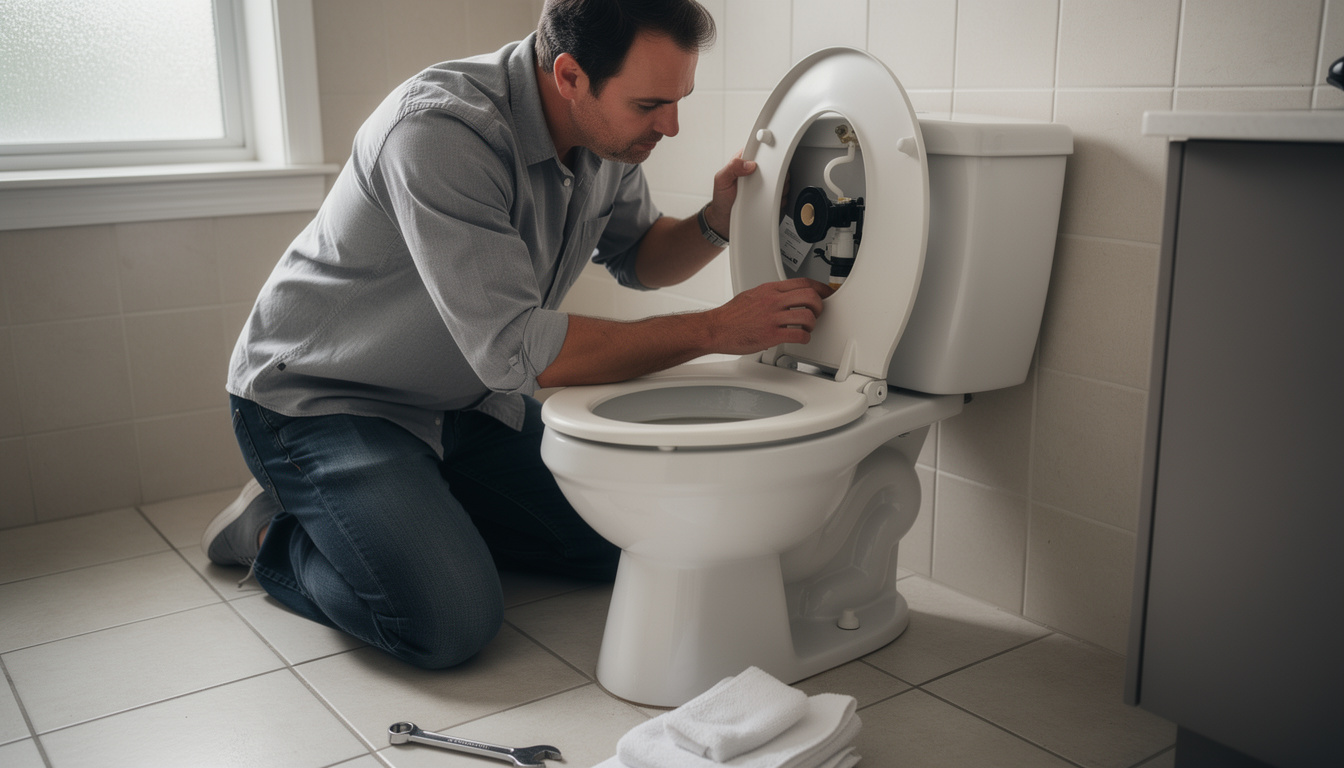
Most “mystery” toilet issues live in the tank. Alex popped the lid, set it safely on a towel (it chips easily), and immediately saw mineral buildup and a flapper that looked slightly warped. Tank repairs are where you’ll get the biggest payoff for reduce water waste, because tank-to-bowl leaks can run for weeks without visible damage.
Flapper valve fix: the most common win
A flapper is a rubber valve that lifts during a flush and then seals the opening so the tank can refill. Over time it gets stiff, slimy, misshapen, or nicked. When it doesn’t sit perfectly, water sneaks into the bowl and triggers the fill valve to top off the tank again.
Alex’s process looked like this:
- 🔒 Turn off the shutoff valve (clockwise) and flush to drain most tank water.
- 🧽 Wipe the flush valve seat (the rim the flapper seals against). Mineral grit can prevent sealing.
- 🔁 Unhook the chain and remove the flapper from the pegs or ring mount.
- 🧩 Install a matching replacement flapper (take the old one to the store to match style/size).
- ⛓️ Set chain slack so there’s about 1–2 links of play—too tight causes leaks, too loose causes weak flushes.
After that, Alex did the dye test again. No color in the bowl. That’s your “yes, it worked” moment, and it directly supports water conservation without any lifestyle change.
Fill valve adjustments: stop the constant running
If water is spilling into the overflow tube, the tank is literally designed to send that extra water straight to the bowl. Sometimes the fix is as simple as lowering the float. Different toilets have different designs—cup floats, arm floats, and newer compact valves—but the idea is the same: set the water level about an inch below the top of the overflow tube.
If adjusting doesn’t help, the fill valve might be worn. Symptoms include a valve that won’t shut off cleanly, a squeal/honk sound, or inconsistent refill. Replacing it is still very doable for a first-timer: disconnect the supply line, remove the retaining nut under the tank, swap the valve, and tighten. Key detail: snug is good; over-tight is how cracks happen.
Flush valve or tank gasket: when “just a flapper” isn’t enough
Sometimes the flapper is fine but the flush valve seat is pitted, cracked, or coated with stubborn scale. In that case, a flush valve replacement is the next step. It’s more involved because you remove the tank, but it’s still within normal toilet repair territory if you’re patient.
Alex learned a simple rule: if you remove the tank, consider replacing the tank-to-bowl gasket and bolt washers at the same time. Those rubber parts age, and reusing them can create a new leak right after you “fix” the old one. The insight here is practical: when you’re already in there, small preventive parts help you save water and avoid repeat work.
Once the tank is quiet—no refills, no hiss—your toilet stops acting like a slow-drip faucet you can’t see. Next up is the kind of leak that’s harder to ignore: water on the floor.
Toilet Repair for Water Around the Tank: Bolts, Supply Line, and Hairline Leaks
When Alex noticed a small puddle near the left side of the toilet, the first instinct was “base leak.” But after drying everything and watching closely, the water traced back to the tank area. That’s a key moment: water travels. A drip from the tank can run along porcelain curves and show up somewhere totally misleading.
Tank bolts: tight enough, not too tight
A two-piece toilet tank is typically held by two or three bolts with rubber washers. If those washers degrade, you’ll get slow seepage. If the bolts loosen slightly over time, same deal. The fix can be simple: gently tighten each bolt a little, alternating side to side to keep even pressure. Think “firm handshake,” not “gym day.”
If tightening doesn’t stop it, replace the bolt kit. Alex did, and the leak disappeared. Bonus: bolt kits are inexpensive, and swapping them is a clean, contained job if you shut off water and sponge out the tank first.
Supply line connection: the drip you can hear
The supply line meets the bottom of the tank with a coupling nut. A tiny drip here can sound like tapping and create a small but steady wet spot. First try: snug the nut by hand, then a quarter-turn with a wrench if needed. If it still drips, the internal gasket may be worn, or the line itself might be old and stiff.
In many homes, braided stainless supply lines are a safe, modern replacement. They’re less likely to kink than rigid lines and generally seal well. Just don’t reuse crusty old fittings if you can avoid it—this is one of those low-cost upgrades that prevents bigger headaches.
Condensation vs. actual leak: don’t chase the wrong “problem”
In humid bathrooms, a cold tank can sweat and mimic a leak. Alex noticed moisture evenly distributed on the outside, not concentrated at a bolt or seam. That pointed to condensation. Solutions include improving ventilation, insulating the tank, or adjusting the mix of cold incoming water (some setups allow tempering, though that’s not always practical).
This matters because chasing condensation with endless gasket replacements wastes time and money—and it doesn’t help reduce water waste because sweating isn’t a water-loss issue. The insight: fix the real leak, and treat humidity as a comfort and mold-prevention task.
With the tank area sorted, the last high-stakes scenario is a leak at the floor—because that’s where water damage and odors can escalate fast.
Toilet Seal Replacement: Fix Leaks at the Base and Protect the Floor
A base leak feels more serious because it often is. If water is escaping under the toilet, it can soak subflooring, loosen tiles, and create persistent smells. Alex found a subtle clue: the toilet rocked slightly when pushed from the side. That movement can break the seal over time, even if the wax ring was installed correctly years ago.
How to confirm a base leak (and avoid false alarms)
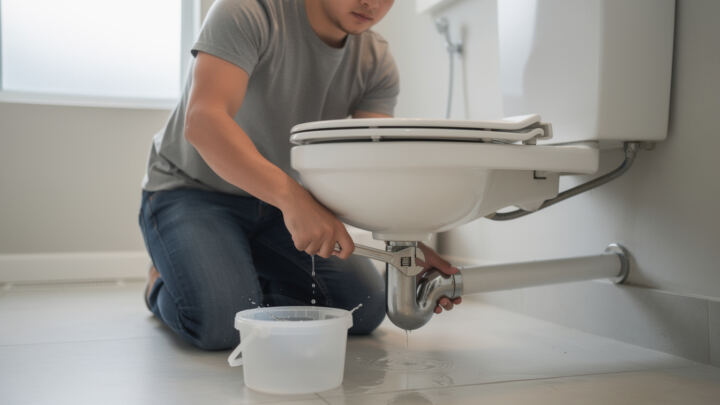
Before pulling the toilet, Alex ruled out tank drips by drying everything and placing a few paper towels strategically: one behind the toilet, one near each side of the base, and one under the supply connection. After a few flushes, the base towels showed moisture while the tank towels stayed dry. That’s a strong indicator you’re dealing with the seal.
Also pay attention to smell. A failed seal can allow sewer gas to escape, which is not just unpleasant—it’s a signal the barrier between your home and the drain system isn’t doing its job.
Step-by-step toilet seal replacement (wax ring or gasket)
This is the “deep” DIY toilet repair job, but it’s still very doable with patience.
- 🚪 Ventilate the bathroom and gather supplies: new wax ring (or wax-free seal), new closet bolts if needed, putty knife, gloves, sponge, and a wrench.
- 🔒 Shut off water, flush, and sponge out remaining tank water.
- 🔩 Disconnect supply line and remove the nuts from the closet bolts at the base.
- 🧍 Lift the toilet straight up and set it on cardboard or an old towel.
- 🧽 Scrape old wax from the flange and toilet horn carefully; clean the area well.
- 🔍 Inspect the flange: if it’s cracked or below floor level, address that (repair ring/spacer) before sealing.
- 🧩 Install the new seal and reset the toilet straight down, aligning bolts without twisting.
- 📏 Tighten nuts evenly until snug; don’t over-tighten and crack the base.
- ✅ Reconnect water, test flushes, and check for any seepage.
What Alex learned about rocking toilets and repeat leaks
If a toilet rocks, a perfect seal won’t stay perfect. The usual fix is shimming: place small plastic shims under the base at low spots until the toilet is stable, then trim shims and seal the perimeter with a thin bead of caulk (many people leave a small gap at the back so future leaks are visible). This stabilizes the fixture and helps the seal last.
From a water conservation angle, a base leak might not always waste as much water as a tank-to-bowl leak, but it can cause expensive structural damage—so it’s still a “fix it now” problem. The insight: sealing the base is about protecting the home as much as save water.
Reduce Water Waste After Repairs: Habits, Checks, and Small Upgrades That Stick
After Alex fixed the obvious leaks, the surprising part was how easy it was to keep things efficient with tiny routines. This is where reduce water waste becomes less of a one-time project and more of a low-effort habit.
Build a quick monthly check routine
Set a reminder once a month (or once a quarter if you’re confident). Do a fast dye test, listen for refills, and look behind the toilet for any moisture. These checks take less time than making coffee, and they prevent “slow leaks” from quietly undoing your water conservation goals.
Choose parts that match your toilet and your water conditions
Hard water areas chew through rubber faster. If your flapper fails repeatedly, consider a higher-quality material and clean mineral buildup occasionally. If your fill valve clogs, a quick clean of the valve cap or a replacement can restore proper shutoff. The point isn’t to over-upgrade; it’s to avoid repeat failures that lead to another leaking toilet.
Practical upgrades that help save water without compromising flush performance
- 💧 Replace old flappers and valves proactively if they’re brittle or misshapen.
- 🧰 Keep a spare flapper in your home toolkit—cheap, small, and often the fastest fix toilet leak.
- 🚽 If your toilet is older and inefficient, consider a modern high-efficiency model (the payback is often in bills and fewer issues).
- 🧼 Clean the tank components gently to prevent grit from ruining seals.
Alex also learned not to “chase internet ghosts.” If a video platform throws a verification screen due to network traffic patterns, just switch networks or search a different tutorial title rather than repeatedly refreshing. Keeping a calm pace prevents mistakes—especially when you’ve got a disconnected supply line and you’re trying to remember which nut goes where.
The final insight: fixing a leak is great, but keeping it fixed is where the real savings happen—on your bill, your time, and your stress level.
How do I know if my leaking toilet is wasting water even if there’s no puddle?
Do a simple dye test: add food coloring to the tank, wait 10–15 minutes without flushing, and check the bowl. If color appears, water is leaking from the tank into the bowl—often a flapper or flush valve seat issue—so you’re likely losing water quietly.
What’s the fastest fix toilet leak that keeps the toilet running intermittently?
Start with a flapper valve fix and a quick water-level check. Make sure the flapper seals cleanly and the chain has slight slack. Then set the tank water level about 1 inch below the overflow tube. These two steps solve a large share of “random refills” without major disassembly.
When should I do a toilet seal replacement instead of adjusting tank parts?
If water shows up around the base, the toilet rocks, you notice sewer-gas odor, or towels placed around the base get wet while the tank stays dry, the seal at the floor is a prime suspect. Replacing the wax ring (or wax-free seal) and stabilizing the toilet with shims is the correct repair.
Can I overtighten toilet tank bolts or base nuts?
Yes. Overtightening can crack porcelain, which turns a small toilet repair into a big replacement. Tighten evenly and gradually: snug plus a small additional turn is usually enough. If a leak persists after reasonable tightening, replace the washers/bolts rather than forcing more torque.
How often should I repeat toilet leak detection checks for water conservation?
A quick check monthly is ideal if you’re actively trying to save water, especially in homes with hard water. At minimum, do it seasonally or whenever you hear the toilet refilling on its own. Regular checks help reduce water waste by catching slow leaks early.