Your plumbing usually behaves like a good roommate: quiet, reliable, and mostly invisible—until it suddenly isn’t. One day the water pressure feels weak in the shower, the next you’re side-eyeing a mystery puddle near the dishwasher. That’s where a plumbing inspection comes in: it’s the “full checkup” that looks beyond the obvious drip and tries to catch the stuff that becomes a weekend-ruining emergency later.
People book inspections for all kinds of reasons. Buyers want to know what they’re inheriting before they sign. Sellers want fewer surprises during negotiations. Long-time homeowners just want to stop playing “guess what’s behind the wall.” A professional plumber doesn’t just glance at a faucet and call it a day—they evaluate the system’s habits: how it supplies water, how it drains, how it vents, how it shuts off, and where it might be quietly failing. The goal isn’t to scare you; it’s to turn “unknown” into “actionable,” with a clear report you can actually use.
En bref
- 🧰 A plumbing inspection checks your supply lines, drainage system, fixtures, and key safety components to catch problems early.
- 🚿 Expect testing of water pressure, visible pipe condition, and a hands-on fixture assessment (yes, toilets get flushed).
- 🔍 Leak detection may be visual or tool-assisted; camera scoping can reveal issues in sewer lines.
- 💧 You’ll usually get notes on basic water quality red flags (staining, odor, sediment), but lab testing is typically an add-on.
- 🧾 The final report is your roadmap: urgent fixes, “watch list” items, and maintenance suggestions.
What a Professional Plumbing Inspection Covers (and Why It’s More Than a Quick Look)
A legit inspection is basically a guided tour of how water moves through your home—clean water in, wastewater out, and everything in between. Since so much piping is hidden in walls, ceilings, and slabs, the inspection focuses on what’s accessible while using smart clues to judge what’s not. Think of it as reading the “symptoms” your house gives off.
The supply side is where a professional plumber starts piecing together the story. They look at exposed supply lines, shutoffs, and visible joints to judge overall pipe condition. Corrosion, mineral crust, patched repairs, or mismatched materials can hint at bigger issues. If a home has older materials (like polybutylene from past decades or any suspicious-looking legacy segments), it’s flagged because history hasn’t been kind to them.
Next comes water pressure. Too low is annoying; too high is destructive. A plumber will often test pressure at several fixtures to see if the number is consistent. In real life, that’s how they tell the difference between “the whole house has pressure issues” and “one bathroom has a localized restriction.” If pressure spikes, they may talk about regulators, thermal expansion concerns, or failing valves that can stress the entire system over time.
Then the drainage system gets attention. Drains aren’t just about “does it go down.” Slow movement, gurgling, and recurring odors can point to venting issues or developing blockages. The plumber checks visible drain piping for slope problems, corrosion, and DIY surprises (the kind where someone used the wrong fitting and hoped nobody would notice). They’ll also look for moisture staining under sinks or around tubs—classic hints that something is leaking only when it’s being used.
Finally, the inspection ties together how the home controls water: valve function. The main shutoff and local fixture shutoffs matter more than people realize. If a valve won’t close, a “small” leak can become a whole-house shutdown later. A solid inspection makes sure those controls aren’t frozen in place or crumbling.
The big insight: a good inspection doesn’t just identify a problem—it explains the chain reaction it could cause, which is what makes the report actually valuable.
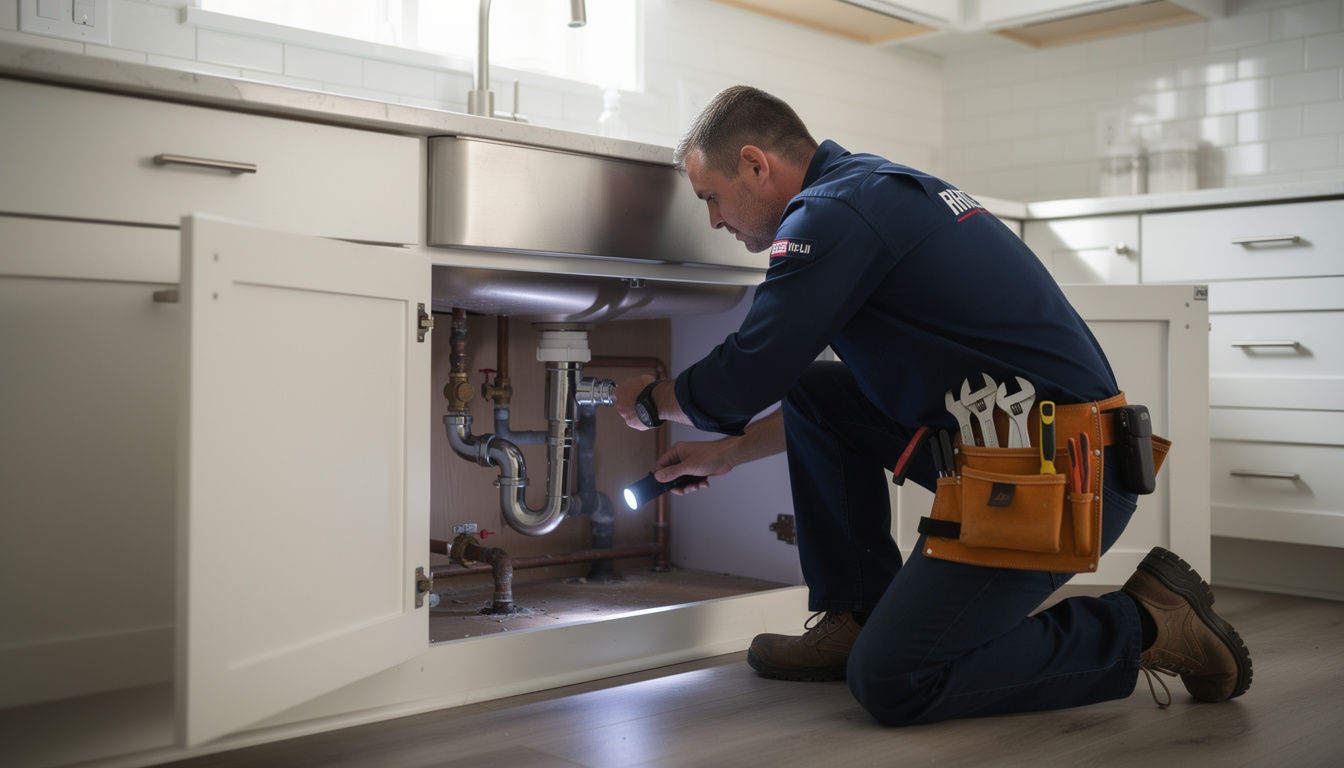
Inside the Home: Fixture Assessment, Drain Behavior, and Red Flags You Can Actually Understand
Interior checks are where the inspection feels the most “real” because you can see and hear what’s happening. The plumber will run water, open cabinets, and test fixtures like they’re trying to annoy your plumbing into admitting the truth. And honestly, that’s the point.
Kitchen and bathrooms: where small leaks love to hide
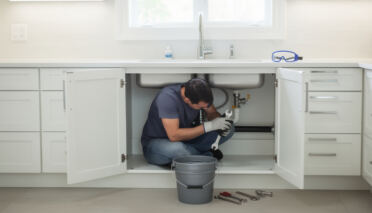
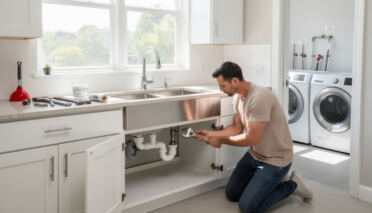
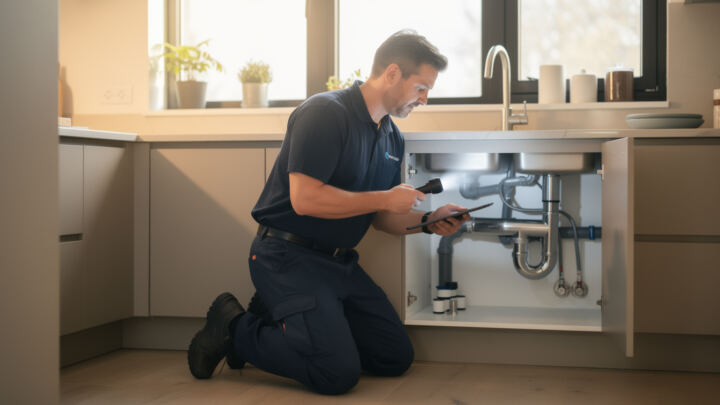
The kitchen sink is a greatest-hits album of potential issues: faucet bases, sprayer hoses, supply connections, drain traps, and the cabinet floor that quietly rots if nobody looks. During a fixture assessment, the plumber runs hot and cold water, checks for seepage at every connection, and watches how the drain responds. If the sink backs up slowly, they’ll talk about buildup, partial clogs, or venting constraints.
Bathrooms get the same treatment, but toilets add extra drama. Toilets are flushed to verify tank refill behavior, seal integrity, and whether the base shows signs of rocking or leakage. A toilet that “runs” after flushing isn’t just wasting water—it can inflate bills and shorten the life of internal components. The plumber may also look for hairline cracks in porcelain and signs of past overflow events.
Laundry and appliances: the underrated trouble spots
Washing machine hoses are notorious because they can look fine until they’re not. The inspector checks hose condition, proper securing, and whether the shutoff valves work. For dishwashers, they look at the supply line, drain routing, and potential seepage that only shows up when the machine cycles. Garbage disposals get tested for function and leakage around the mounting ring.
Water heater: the “don’t ignore me” inspection item
The water heater check usually covers age clues, corrosion, venting basics (if applicable), and safety components. The plumber looks at the tank body and fittings for rust, evaluates temperature settings, and verifies that key safety features like the relief valve aren’t obviously compromised. If there’s evidence of chronic dripping at the discharge line or corrosion at the top connections, you’ll hear about it.
Even without lab work, plumbers often note practical water quality clues: sediment in aerators, scale on fixtures, staining in tubs, or smells that suggest mineral-heavy water. It’s not a scientific report, but it’s a helpful nudge toward filtration, softening, or testing if the signs are strong.
If you’re curious what “normal” looks like, watching a few real inspections helps you spot patterns before anyone arrives.
Outside and Underground: Main Lines, Sewer Lines, and When Camera Scoping Makes Sense
Exterior checks are where inspections can get surprisingly important, especially if the home is older or the yard has mature trees. A home can look perfect inside while the main line outside is slowly turning into a problem you’ll only discover on a holiday weekend.
Main supply line and shutoff control
The plumber will locate and evaluate the main shutoff and, when accessible, inspect the visible portion of the main water line. They’re looking for corrosion, compromised fittings, and signs of prior repairs. They’ll also confirm valve function—because a main shutoff that doesn’t shut off is like having a fire extinguisher that’s only decorative.
Pressure is often checked again near the entry point to confirm what’s coming in from the municipal side (or the well setup, if you’re on one). If the reading is high, the plumber may recommend a regulator adjustment or replacement to prevent stress on fixtures and appliances.
Sewer lines and the case for a camera inspection
Sewer lines are usually out of sight and out of mind—until they clog in a way that makes you rethink your life choices. A camera scope is the clearest way to see internal pipe condition: cracks, offsets, root intrusion, bellies (sags that hold water), and heavy scaling. It’s especially common during real estate deals or if the home has a history of backups.
If you’ve ever had recurring slow drains across multiple fixtures, that’s not a “pour some cleaner and hope” situation. It’s a reason to consider scoping so you know whether you’re dealing with a localized clog or a bigger mainline issue. In practice, camera footage can also help you avoid unnecessary digging because it pinpoints where the problem is.
Outdoor spigots, irrigation, and seasonal risks
Outdoor hose bibs get checked for leaks and freeze damage signs. In colder climates, a small crack from a previous winter can drip inside a wall cavity for months before anyone notices. Irrigation systems, when included, are evaluated for leaks and backflow protection, but not every standard inspection automatically covers them—so it’s worth asking.
The key takeaway: exterior plumbing is where a “fine for now” home can hide expensive surprises, so the inspection scope matters just as much as the inspector.
Want to see what a sewer camera inspection actually looks like in real time? It’s oddly satisfying (and sometimes horrifying).
Tools and Techniques: Leak Detection, Pressure Testing, and How Pros Judge Pipe Condition
Some inspections are purely visual; others feel like a mini science project. The tools used usually depend on your home’s symptoms, your budget, and whether this is routine maintenance or a pre-purchase deep dive.
Visual checks are basic—but not “simple”
A visual inspection still takes skill. Pros know where failures typically start: compression stops under sinks, toilet supply connections, aging caulk lines that hide slow seepage, and water heater fittings under constant heat stress. They also pay attention to staining patterns—water leaves “fingerprints,” and those fingerprints tell a story.
Leak detection: from obvious drips to sneaky losses
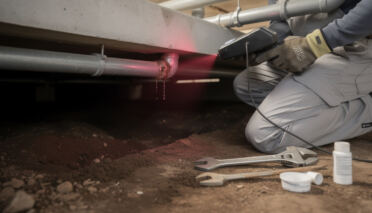
Leak detection might be as simple as spotting corrosion and moisture, or it may involve smarter methods when the leak is hiding. Plumbers may use moisture meters around suspicious spots, listen for telltale sounds, or compare fixture behavior against pressure readings. If you’ve got a high bill with no lifestyle change, the plumber may recommend isolating zones or running controlled checks to narrow down the culprit.
Pressure testing: the plumbing lie detector
Pressure testing is one of those things that sounds dramatic but is incredibly practical. If there’s suspicion of a concealed leak, a plumber may pressurize sections and monitor drops over time. It helps distinguish “a flaky faucet cartridge” from “something in the wall is slowly failing.”
Camera scoping: the difference between guessing and knowing
Camera inspections aren’t just for emergencies. They’re a smart move when you’re buying a property with unknown history, when the yard has big trees near the line route, or when multiple drains show similar symptoms. In 2026, many plumbers provide crisp video and stills that you can attach to repair quotes, which is helpful when you’re comparing contractors.
Even with all the tools, the best inspections still come down to judgment: connecting the dots between pipe condition, usage patterns, and the home’s layout, instead of treating every symptom like an isolated event.
Cost, Scope, and Prep: How to Get the Most Value (Without Overpaying)
Inspection pricing is all about scope. A straightforward visual review is typically cheaper than anything involving cameras or advanced testing. In the U.S., many homeowners still see visual inspections land roughly in the $100–$200 range, while camera scoping can run from the low hundreds to four figures depending on access, length, and complexity. Combination packages often cost more up front but can be cheaper than stacking add-ons later when you’re already stressed.
Here’s a practical way to think about it: you’re paying for time, tools, and the quality of the written report. A good report helps you prioritize and budget. A vague one just leaves you with anxiety and no plan.
| Service item | Typical scope | Common 2026 price ranges (US) | Best for |
|---|---|---|---|
| 🛠️ Visual inspection | Accessible fixtures, exposed piping, shutoffs, basic heater review | 💵 $100–$200 | 🏠 Routine checkups, obvious minor concerns |
| 🎥 Camera inspection | Video scoping of drains and/or sewer lines | 💵 $300–$1,100+ | 🌳 Recurring backups, older homes, tree-heavy lots |
| 🧾 Combination package | Visual + camera, more complete report with images | 💵 $400–$1,300 | 🧑💼 Real estate deals, “I want the full picture” homeowners |
| 🧪 Water testing add-on | Lab or field tests beyond basic water quality observations | 💵 Varies | 🚰 Odor, staining, private wells, health concerns |
How to prep so the plumber can actually do their job
You don’t need to renovate your house to prepare, but you do want to remove the everyday obstacles. Clear under-sink cabinets, uncover the water heater area, and make sure the main shutoff is reachable. If you’ve got a crawl space, make it accessible—nobody does their best work while fighting a mountain of stored holiday decorations.
It also helps to gather context. Any paperwork from previous repairs, permits, or warranties gives the plumber a timeline. And if you’ve noticed specific symptoms—slow drains, gurgling, random puddles, or that “why is my bill so high?” moment—say it upfront. Inspections are way more effective when the plumber knows where to be extra skeptical.
To keep things concrete, here’s a quick prep checklist you can follow:
- 🧹 Clear access to sinks, tubs, toilets, laundry hookups, and the water heater.
- 🔦 Make crawl spaces or basements accessible (light helps).
- 📄 Pull any repair receipts, prior inspection notes, or warranty documents.
- 📝 Write down symptoms: pressure changes, smells, stains, or repeated clogs.
- 🚪 Make sure exterior spigots and cleanouts aren’t blocked.
After the report: turning findings into a plan
The final report typically lists immediate repairs, “keep an eye on this” items, and maintenance suggestions. Ask the plumber to rank issues by risk: what could cause water damage fast, what affects safety, and what’s more about long-term efficiency. That ranking is what helps you spend money like an adult instead of panic-buying fixes.
One last insight before you book: the best value comes from matching the inspection type to your real risk—routine maintenance, real estate transaction, or recurring symptoms—so you’re paying for answers, not just reassurance.
How long does a professional plumbing inspection usually take?
Most visual inspections take about 60–120 minutes, depending on home size, number of fixtures, and access (basement/crawl space). Add camera scoping of sewer lines and it can extend longer, especially if the plumber finds areas worth documenting.
Will a plumbing inspection include sewer lines automatically?
Not always. Many standard inspections focus on accessible interior components and visible drain piping. A sewer camera scope is commonly an add-on, so ask specifically if sewer lines are included and what access point will be used (cleanout, roof vent, etc.).
What are the biggest red flags inspectors look for during fixture assessment?
Common red flags include leaks under sinks, slow or gurgling drains (drainage system or vent issues), toilets that run or leak at the base, inconsistent water pressure, corrosion at shutoffs, and signs of ongoing moisture like staining or warped cabinetry.
Can a plumber guarantee there are no leaks after an inspection?
An inspection reduces risk but can’t guarantee the future, especially for concealed piping behind finished walls or under slabs. What it can do is identify current signs of leakage, test key components, evaluate pipe condition, and recommend leak detection methods or pressure testing if something seems off.
How often should I schedule a plumbing inspection?
Many industry pros recommend every 1–2 years for preventive maintenance, especially in older homes or properties with prior plumbing issues. If you’re buying/selling, renovating, or noticing symptoms like low water pressure or recurring clogs, scheduling sooner is usually worth it.