In brief
- 🧯 Emergency preparedness starts with knowing your shut off valve locations and practicing a quick “water-off” drill.
- 🧤 Basic safety gear (gloves, goggles, mask) makes routine plumbing tasks safer and less gross.
- 🧊 Pipe insulation plus smart indoor heat habits can prevent cold snaps from turning into a burst-pipe nightmare.
- 🚰 Treat every water leak like a clue: meter checks and moisture spotting beat surprise floods.
- 🪠 Clog prevention is cheaper than “miracle” chemicals—use hot water flushes, snakes, and kitchen habits that don’t feed blockages.
- 🧰 Respect tool safety: the wrong wrench move can crack fittings, strip valves, or injure your hands fast.
- 📆 Track component lifespans and book annual checkups so small wear doesn’t become a big insurance claim.
If you own a home, you’ve already signed up for a relationship with your plumbing—whether you meant to or not. One week it’s a slow drain, the next it’s a mysterious stain on the ceiling that makes you stare like it’s blinking at you. The tricky part is that water problems rarely announce themselves politely; they whisper first, then suddenly shout at 2 a.m. when you’re half-asleep and stepping into a puddle. That’s why a few practical plumbing safety tips aren’t “nice to have”—they’re how a homeowner protects floors, walls, appliances, and everybody’s sanity.
To keep things grounded, let’s follow a fictional Southwest Ranches neighbor named Mia. She’s careful, busy, and not trying to become a weekend plumber. Her strategy is simple: learn the layout, inspect on a rhythm, use safer methods for clogs, and know exactly when to call a pro. You don’t need a toolbox that looks like a hardware store aisle. You need a plan, a little gear, and the confidence to make good decisions when something leaks, smells weird, or freezes. And yes—there are a couple of small habits that can save you thousands.
Plumbing Safety Tips Every Homeowner Should Know: Know Your System Before You Need It
The most underrated plumbing safety move is also the simplest: stop treating your plumbing like it’s invisible. Mia’s first win was spending 30 minutes mapping out what feeds what. Not glamorous, but it’s the difference between calmly stopping a leak and doing the panicked “which knob is it?” dance while water spreads across the tile.
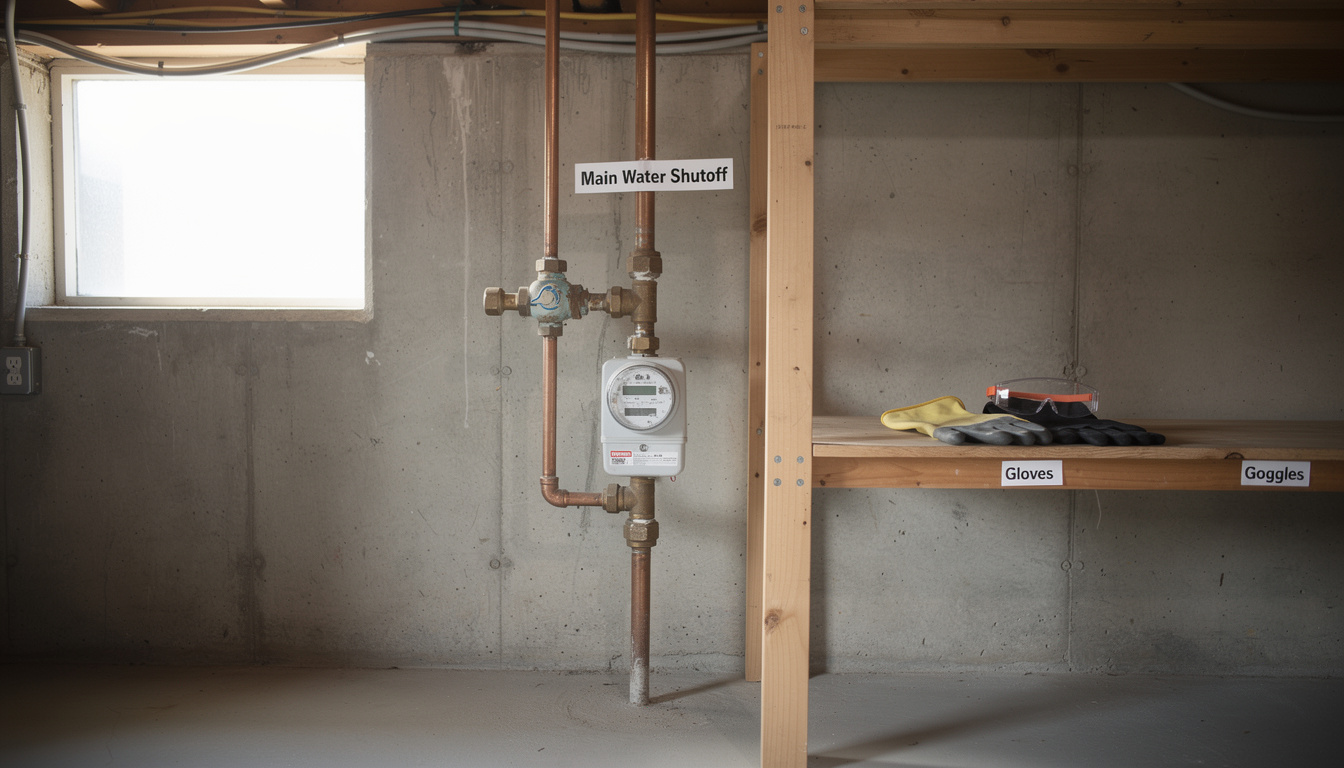
Start with the shut off valve basics. You’ll typically have a main shutoff for the house, plus individual supply valves under sinks and behind toilets, and dedicated shutoffs for appliances like the dishwasher or washing machine (depending on your setup). The homeowner trick is to label them. A simple tag or a note in your phone can turn an emergency into a two-minute fix.
Build a “plumbing cheat sheet” for emergency preparedness
This is where emergency preparedness becomes real. Write down (or store in a shared family note) the locations of key controls and the basics of your system. If a friend is house-sitting or a teen is home alone, that information matters.
- 📍 Main water shut off valve location (and whether it’s a lever or wheel)
- 🧭 Water heater shutoff (water supply + gas/electric disconnect basics)
- 🧾 Water meter location and how to read it for a water leak check
- 🧰 Appliance shutoffs: toilets, sinks, washer, dishwasher
- 📄 Insurance notes: what your policy expects during a loss (photos, mitigation steps)
Why include insurance? Because in real-world claims, documentation and timely mitigation matter. If you can show you acted fast—water off, photos taken, basic cleanup started—you’re in a better position than if you waited and let damage spread.
Use the water meter like a homeowner’s lie detector
Mia learned a classic trick: turn off all fixtures, confirm no appliances are running, then check the meter. If the dial or flow indicator still moves, you likely have a hidden water leak. That could be a toilet flapper slowly refilling, a pinhole in a line, or a failing irrigation connection.
This isn’t about obsessing weekly. It’s about checking after red flags—higher bills, damp smells, or a soft spot on drywall. The insight to keep: the system tells you what it’s doing—if you know where to look.
Homeowner Plumbing Safety Gear and Tool Safety: Small Kit, Big Protection
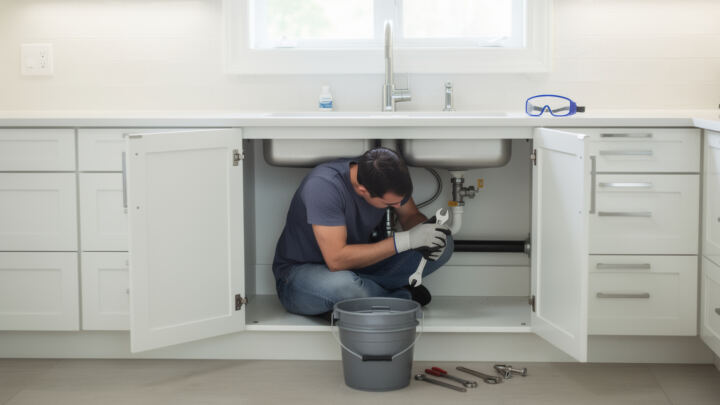
A lot of DIY plumbing mishaps don’t come from “hard” repairs—they come from underestimating how messy and physical the work can get. Even a simple trap cleaning can splash bacteria-laced water. A slipping wrench can smash knuckles against a cabinet edge. That’s why a basic kit is a legit safety upgrade, not an overreaction.
Personal protective equipment you’ll actually use
Keep a small bin near your tools. Mia’s is nothing fancy, but it means she doesn’t talk herself into “doing it quick” without protection.
- 🧤 Nitrile or rubber gloves for drain gunk, cleaners, and unknown water
- 🥽 Safety goggles for splashes when snaking or plunging
- 😷 Mask for dusty under-sink cabinets or odor-heavy situations
- 🧻 Disposable towels + trash bags for contaminated cleanup
This matters even more when you don’t know what kind of water you’re dealing with. Fresh supply water is one thing; drain water is another.
Tool safety that prevents injuries and broken fittings
Tool safety is half technique, half restraint. Over-tightening is a classic homeowner move—especially on plastic fittings—because it “feels” like tighter must be safer. It isn’t. Many leaks come from cracked washers, split PVC, or stripped threads caused by too much force.
Stick with a few reliable tools: a basin wrench for faucets, tongue-and-groove pliers, an adjustable wrench, a quality plunger, and a hand-crank drain snake. Add a flashlight or headlamp so you’re not working blind in a cabinet. And always stabilize what you’re turning—twisting a valve body instead of the nut can stress pipes in the wall.
Know your “stop points” for DIY
Mia’s rule is simple: if she’s touching anything that could void warranties, risk flooding, or involve sewage, she pauses and calls a licensed plumber. It’s not about fear—it’s about math. A professional visit costs less than a warped floor or a denied insurance claim because a repair wasn’t up to code.
The takeaway: the safest repair is the one you can reverse, verify, and test without collateral damage.
Once your gear and tools are sorted, the next battle is the one that creeps up quietly: seasonal stress on pipes and fittings.
Cold-Weather Plumbing Safety Tips: Pipe Insulation and Freeze Prevention That Actually Works
Even in places that usually feel warm—like South Florida—short cold snaps can still cause trouble, especially in exposed outdoor runs, garage lines, or poorly insulated sections near exterior walls. The surprise factor is what gets homeowners: you don’t have to live in Minnesota to experience a freeze-related leak. And when a pipe freezes, it’s not the ice that destroys your home—it’s the pressure and the burst that follows.
Pipe insulation: the low-cost upgrade with real payoff
Pipe insulation sleeves (foam or rubber) are easy to install on exposed lines in garages, utility rooms, or under raised structures. The key is coverage and continuity—gaps near elbows or valves are where cold air hits hardest. If you’re insulating around a shutoff or joint, don’t jam materials in a way that makes it hard to access during an emergency.
Mia insulated her laundry supply lines after seeing condensation and hearing neighbors mention winter drips. Later, when temperatures dipped unusually low for a couple nights, her setup stayed stable while someone down the street dealt with a split hose bib line.
Practical freeze protocol for homeowners
When weather alerts mention freezing conditions, use a simple routine that doesn’t require staying up all night:
- 🧊 Add pipe insulation to any exposed piping you can reach safely
- 🔥 Keep indoor temps at 55°F (about 13°C) or higher if you’re away
- 🚰 Let a faucet drip lightly on the most at-risk run (moving water resists freezing)
- 🚪 Open cabinet doors under sinks on exterior walls to let warm air circulate
- 🧺 Run dishwasher/washer earlier in the evening to keep water moving through lines
That last one sounds odd, but it’s basically using residual warmth and flow to reduce risk in vulnerable branches. Just don’t run appliances unattended if you already suspect a weak hose or a failing connection.
Where freeze damage likes to hide
If a freeze happens, don’t assume you’re safe just because water comes out of a faucet. Small cracks can leak later when pressure cycles. Check exposed runs, supply valves, and especially washing machine hoses—those braided lines are great until they aren’t.
The insight: freeze protection is less about heroics and more about consistency.
Cold weather is one way pipes fail. The more common, year-round headache is the slow build toward a clog and the risky choices people make to “fix it fast.”
Clog Prevention Plumbing Tips: Safer Drain Cleaning and Why Chemical Cleaners Backfire
Clogs feel harmless until they aren’t. A slow kitchen sink can turn into a backed-up dishwasher. A shower drain that “kind of” works can suddenly overflow and soak baseboards. The homeowner mistake is reaching for harsh store-bought drain chemicals as a first move. Those products can generate heat, irritate eyes and skin, and over time they can be rough on certain pipe materials and older joints—especially if you’re repeating treatments.
Safer clog prevention habits that beat emergency fixes
Clog prevention is mostly about what you don’t put down the drain. Mia changed two habits and basically stopped dealing with kitchen clogs: she stopped pouring grease down the sink and started using a simple sink strainer religiously.
- 🍳 Wipe greasy pans with paper towels before washing
- 🧺 Use strainers in sinks and showers to catch hair and food scraps
- 🧼 Flush kitchen drains with hot water after heavy cooking (not boiling on fragile PVC)
- 🧻 Never treat toilets like trash cans—no wipes, no “flushable” surprises
That last bullet saves plumbing systems everywhere. “Flushable” doesn’t mean “great for your pipes.” It often means “will form a clog with other stuff later.”
Drain clearing toolkit that keeps you safer
If you do get a slow drain, start with the least aggressive approach. A plunger is underrated; used correctly (with a good seal and controlled strokes), it can clear many soft blockages. A hand snake is the next step for hair clogs and localized buildup.
Try a simple baking soda and vinegar routine for mild odors and minor buildup, followed by a hot-water flush. It’s not magic, but it’s gentler. If you’ve already used chemicals, be extra careful: snaking after chemicals can splash caustic liquid. That’s a prime moment for gloves and goggles.
Odors are data, not just “gross”
Bad smells in a kitchen or bathroom can be a dry trap, a vent issue, or a sign of a deeper sewage problem. If an odor persists after basic cleaning and ensuring traps have water, don’t ignore it. Persistent sewer gas smells aren’t something you want to normalize in a home.
The insight: the safest drain strategy is the one that avoids harsh reactions and escalates responsibly.
Once drains are under control, the next safety level is knowing what kind of water you’re dealing with when something leaks—and how to respond without making it worse.
Water Leak Safety and Emergency Preparedness: What to Do in the First 10 Minutes
When a leak happens, speed matters—but so does making smart choices. Mia had a small supply line drip under a bathroom sink that could’ve become a cabinet-ruining mess. She caught it early because she did quick monthly checks and noticed a damp smell and a slight swelling at the cabinet base.
Understand water categories so you don’t handle hazards casually
Not all leaking water is equal. Homeowners should treat it differently based on where it came from.
| Type of water 💧 | Where it comes from 🏠 | Homeowner safety approach 🛡️ |
|---|---|---|
| Clean (white) water ✅ | Supply lines, fresh taps | Shut off water, dry quickly, monitor for mold; gloves still smart |
| Gray water ⚠️ | Sinks, showers, washing machines | Wear PPE, disinfect surfaces, limit contact; consider pro help if widespread |
| Black water ☣️ | Sewage backups, toilet overflows with waste | Avoid DIY cleanup; call professionals due to contamination risk |
The “first 10 minutes” checklist for a leak
This is the core of emergency preparedness. You’re trying to stop flow, protect people, and prevent secondary damage.
- 🚰 Turn off the nearest shut off valve (or the main if needed).
- ⚡ If water is near outlets or appliances, cut power at the breaker for that area.
- 📸 Take quick photos for records before moving everything.
- 🧻 Contain and dry: towels, wet/dry vac, fans; remove soaked items fast.
- 🔎 Identify source: supply line, drain, appliance hose, water heater, roof leak.
Notice what’s not on the list: “start unscrewing random parts.” In the heat of the moment, it’s easy to make a minor failure into a bigger one. Stop water first, then assess calmly.
Monthly self-inspections that prevent big surprises
Mia does a quick lap once a month: under-sink checks, a look at the water heater for corrosion, a glance at washing machine hoses, and a quick sniff-test near drains. She also runs a cleaning cycle in the dishwasher and uses a vinegar cycle in the washer occasionally to reduce grime and odor buildup.
The insight: most disasters look obvious in hindsight—monthly checks give you that hindsight earlier.
Now that the emergency playbook is clear, the long game is keeping the system healthy with lifespan tracking and professional maintenance.
Long-Term Plumbing Safety for Homeowners: Lifespan Tracking, Maintenance, and When to Call a Pro
Homeownership gets easier when you stop guessing and start tracking. Most plumbing components don’t fail randomly—they age out. Hoses stiffen, valves seize, seals degrade, tanks corrode. If you know what’s old, you can replace it on your terms instead of during a holiday weekend.
Track lifespans like you track car maintenance
Here’s a practical reference list. Your mileage may vary based on water quality, usage, and installation quality, but these ranges help you plan.
| Component 🧩 | Typical lifespan ⏳ | What a homeowner should watch for 👀 |
|---|---|---|
| Water heater 🔥 | ~10–15 years | Rust, rumbling, leaks at base, inconsistent hot water |
| Dishwasher / washing machine 🧺 | ~10–15 years | Hose wear, pooling water, odd noises, moldy odor |
| Faucets & handles 🚰 | Up to ~20 years | Drips, stiffness, mineral buildup, loose bases |
| Drain & sewer lines 🕳️ | ~50–100 years | Recurring backups, root intrusion symptoms, settling issues |
| Pipes (PVC vs. metal) 🧱 | PVC ~50 years; metal can reach ~100 | Corrosion, pinhole leaks, discoloration, pressure drops |
Annual service: what you’re really paying for
A yearly visit from a licensed plumber isn’t just “someone looking around.” It’s targeted risk reduction: checking valve function, inspecting the water heater and key connections, spotting corrosion early, and recommending proactive replacements. It’s also a chance to catch code or safety issues you didn’t know existed.
Mia schedules her checkup before the busiest season for trades in her area. That way she’s not competing with emergency calls after a storm or cold snap. Planning beats panic.
When to call a professional (even if you’re handy)
DIY can be fine for minor tasks, but repairs can get expensive when they compromise warranties or create hidden damage. Call a pro when:
- ☣️ There’s any chance of sewage or black water
- 🧯 You can’t stop the flow with a shut off valve
- 🏚️ You suspect a hidden water leak in walls, slab, or ceiling
- 🔥 Water heater shows corrosion, leaking, or gas-related concerns
- 🧾 You want clean documentation for insurance or resale
The insight: a good homeowner knows when to step back—because prevention is cheaper than bravery.
Where is the main shut off valve usually located in a house?
Common spots include near where the water line enters the home (garage, utility room, exterior wall), close to the water meter, or in a ground box near the street. As a homeowner, locate it now, label it, and make sure it turns smoothly—stuck valves are a nasty surprise during emergency preparedness moments.
Are chemical drain cleaners ever okay to use?
They’re best treated as a last resort. For clog prevention and safety, start with a plunger, a drain snake, or a baking soda/vinegar rinse followed by hot water. If you already used chemicals, wear gloves and goggles and avoid splashing—then consider calling a plumber if the clog persists.
What’s the quickest way to confirm a hidden water leak?
Use your water meter: shut off all fixtures and ensure no appliances are running, then check whether the flow indicator moves. If it does, you likely have a water leak somewhere. Pair that with signs like musty odors, warm spots on floors, or unexplained bill increases.
What temperature should I keep my home to reduce freeze risk?
A common baseline is at least 55°F (about 13°C) when you’re away. Combine that with pipe insulation on exposed lines and opening cabinet doors under sinks on exterior walls during cold snaps to keep warmer air circulating.
Which plumbing tasks are usually safe for a homeowner to do?
Basic tasks like replacing a showerhead, clearing a simple trap clog, resetting a tripped disposal, or tightening a loose faucet handle can be reasonable with tool safety and PPE. Anything involving sewage, major disassembly, water heater issues, or repeated leaks is a strong signal to call a licensed plumber.