In brief
- 🧰 Book a plumbing inspection early so you can fix issues on your timeline, not the buyer’s.
- 🔎 Prioritize leak detection in kitchens, baths, and around the water heater—tiny drips can look like big neglect.
- 🚿 Verify water pressure and flow at every fixture; buyers notice weak showers immediately.
- 🌀 Do proactive drain cleaning and a sewer line check to avoid the most dreaded inspection surprise.
- 🚽 Knock out the basics: faucet repair, running toilets, and shutoff valves that actually shut off.
- ✨ Use selective fixture upgrades to modernize the “feel” without over-renovating.
- 📄 Keep plumbing documentation ready (receipts, permits, warranties) to reduce buyer anxiety and negotiation hits.
When you’re selling a home, plumbing isn’t the sexy part—until it suddenly is. A buyer might forget the paint color in the guest room, but they won’t forget a musty cabinet under the sink, a slow-draining tub, or a shower that coughs out low pressure like it’s tired. In a 2026 market where many buyers still expect “move-in ready,” plumbing problems read like future weekends lost to repairs. That’s why smart sellers treat plumbing prep like staging: you’re not just fixing things, you’re removing doubt. A clean bill of health on water flow, drainage, and hot water turns a walkthrough into a confident offer, and turns an inspection into a formality instead of a negotiation battlefield.
To keep this grounded, we’ll follow a simple thread: a fictional seller, Maya, prepping her 1998 suburban home for listing. She’s not trying to remodel the whole place—she just wants the house to show as cared-for, reliable, and low-risk. The strategy is straightforward: identify red flags early, fix what buyers can see and inspectors will flag, upgrade a few touchpoints that change perception, and document it all so you can prove the work. If you do it right, the plumbing stops being a topic—and that’s the point.
Pre-listing plumbing inspection strategy: find problems before buyers do
If you only do one “grown-up” thing before listing, make it a plumbing inspection. Not the informal “my cousin looked under the sink” version—an actual licensed pro who knows how to read warning signs before they become inspection report headlines. Maya scheduled hers three weeks before photos. That gave her time to get quotes, order parts, and avoid paying rush rates when the listing date got close.
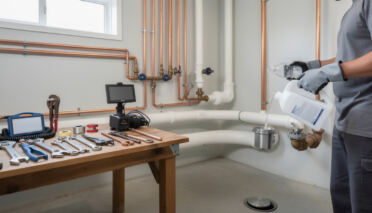
A good pre-listing visit usually starts with a whole-house walkthrough: visible supply lines, drain traps, shutoffs, toilets, water heater, exterior spigots, and any appliance water connections. Then the plumber will often do targeted tests that mimic what an inspector does, plus a few extras that catch the sneaky stuff.
What a solid plumbing inspection should include (and why it matters)
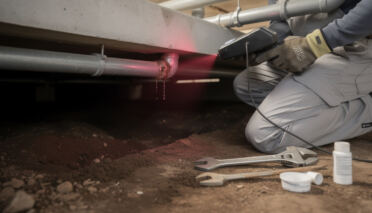
First, expect a quick check for active moisture and corrosion—under sinks, behind toilets, at the base of tubs, and near the water heater pan. That’s where leak detection pays off: catching a slow seep early is cheaper than dealing with swollen cabinet floors later. Buyers may not say “leak,” but they’ll say “What’s that smell?” and you’re suddenly explaining instead of selling.
Second, insist on functional testing. Every faucet should be turned on, hot and cold, while someone watches the drain speed and listens for gurgling. If the kitchen sink backs up when the dishwasher drains, that’s not “quirky,” that’s a negotiation trigger. Also test toilets for stability and refill behavior—running toilets make people think the whole house is wasteful and outdated, even though the fix is often small.
Third, ask about hidden risk areas: older flexible supply lines, aging shutoff valves, and any signs of previous DIY work (mixed materials, questionable fittings). If your place is older, discuss pipe material. Galvanized or lead concerns aren’t just technical; they’re emotional for buyers. Even when replacement isn’t required, knowing what you have helps you price and disclose confidently.
Pre-listing home inspection vs. plumber visit: use both intelligently
Maya also booked a general home inspection before listing, not because she loves spending money, but because it let her control the narrative. A general inspector will call out issues, but they won’t perform the same depth of troubleshooting as a plumbing contractor. The combo works well: the inspector identifies broad red flags, and the plumber fixes them properly—especially anything involving pipe repair, venting concerns, or water heater safety.
End this phase by creating a punch list and a calendar. The insight: time is leverage—the earlier you identify issues, the less they cost and the less they spook buyers.
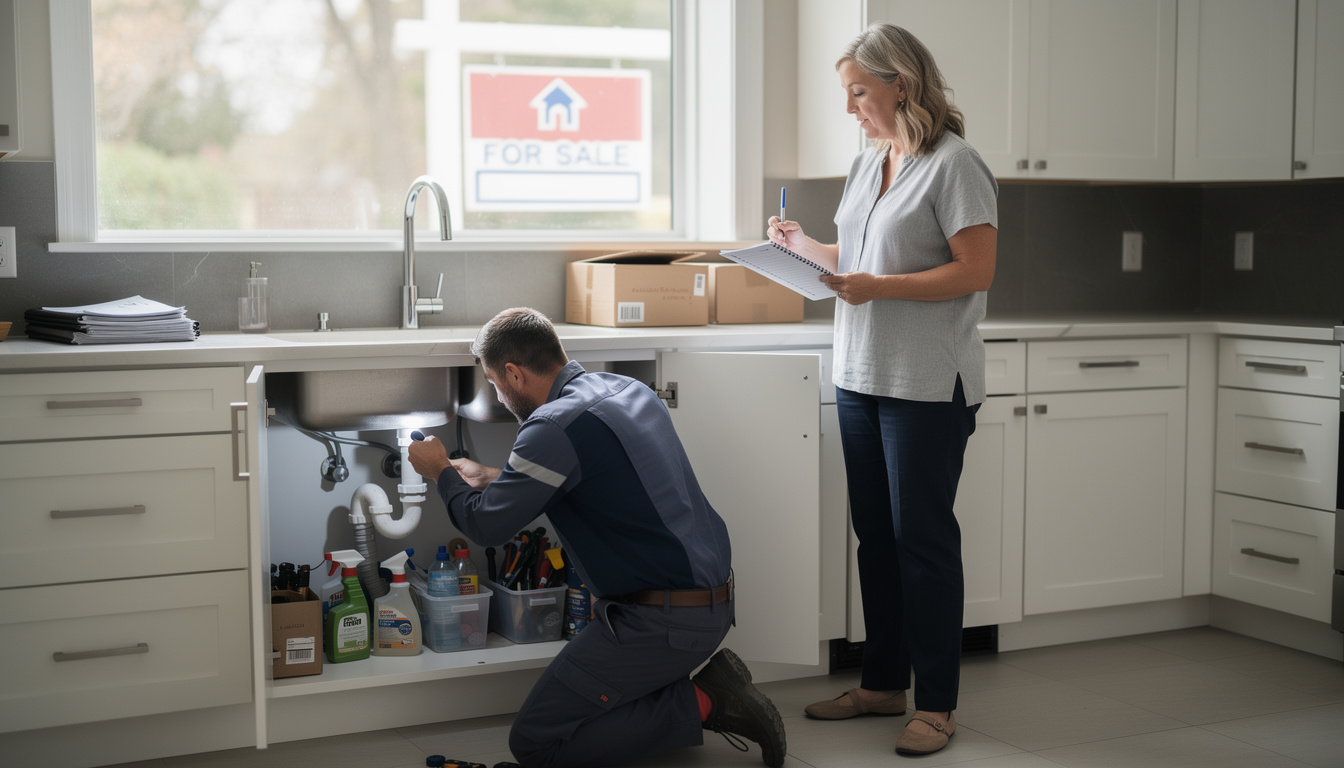
Leak detection and pipe repair: fix the stuff that screams “maintenance overdue”
Leaks are deceptive. A drip can be a $5 washer or a sign of a failing valve, and buyers don’t care which one it is—they just see water where it shouldn’t be. That’s why leak detection deserves its own plan. Maya walked her house like a buyer would, opening cabinets, checking corners, and running water long enough to reveal slow problems.
Start with the easy tells: stains, bubbling paint, warped baseboards, mineral buildup on supply valves, and that classic “rust ring” around fixtures. Then move to the less obvious: the backside of toilet tanks, around tub spouts, and any spot where a pipe disappears into a wall. If there’s a basement or crawlspace, bring a flashlight and look for old drip trails—dried mineral lines are basically the plumbing equivalent of footprints.
High-impact leak fixes: where to spend effort first
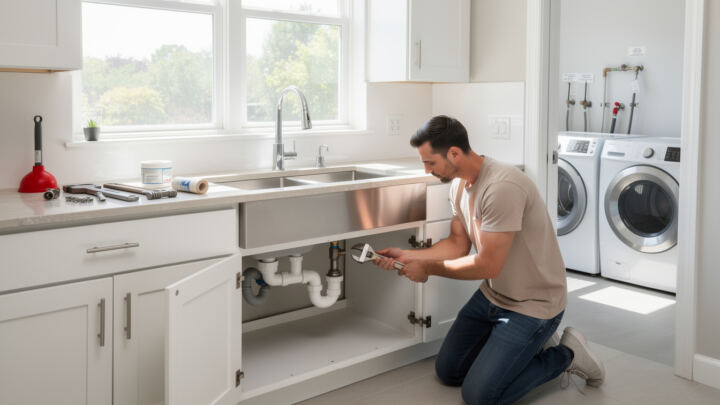
Faucet repair is a prime example of a small fix with an outsized perception boost. A dripping bathroom faucet makes the whole bathroom feel tired. Replacing cartridges, tightening a loose base, resealing around the escutcheon—these are not glamorous tasks, but the room instantly feels more “kept.”
Next, address supply lines. Those braided stainless hoses behind toilets and under sinks should look clean, not kinked or crusty at the ends. If they’re old, replace them. It’s cheap insurance, and it avoids the nightmare scenario: a buyer’s inspector bumps a corroded connection and it starts leaking during the inspection. Yes, that happens.
Then comes pipe repair. The goal isn’t to rip out walls unnecessarily; it’s to eliminate active issues and obvious hazards. If you’ve got a section of corroded pipe, a poorly supported drain, or mismatched fittings from past DIY, fix it cleanly and to code. Buyers may never see it, but inspectors will document it, and lenders can get picky when reports look scary.
A quick reality check on “minor” leaks and buyer psychology
Maya had a slow leak at the angle stop under the vanity—barely wet. She considered ignoring it. Her agent talked her out of it with a simple line: “If they find one leak, they assume there are three more.” That’s the real problem. One visible issue becomes a story buyers tell themselves about the whole home.
As you move forward, you’ll want the system not only dry but also performing well—because the next thing buyers test is the shower, and that’s all about pressure.
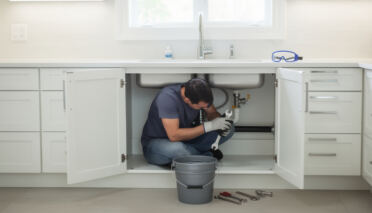
Want a visual walkthrough of common under-sink issues and simple fixes before selling? This helps you spot what to ask your plumber about.
Water pressure and drain cleaning: make every sink and shower feel “right” during showings
People rarely compliment a normal shower. They absolutely complain about a weak one. Testing water pressure is a hands-on, room-by-room job, and you can do the first pass yourself before calling in help. Maya used a simple pressure gauge on an exterior hose bib, then compared how fixtures felt across the house.
If pressure is low everywhere, the cause could be a partially closed main valve, a failing pressure regulator, sediment in aerators, or supply-side issues. If it’s only one fixture, you’re likely dealing with a clogged aerator, a scaled cartridge, or a localized shutoff problem. Either way, you want the experience to be consistent: turn on water, get strong flow, no sputtering, no weird noises.
Practical steps to improve water pressure without overreacting
Start by cleaning faucet aerators and showerheads. It’s oddly satisfying how often this solves the problem. Then confirm shutoff valves are fully open and not stuck mid-way. If you have older valves, replacing them can be smart—not because buyers will admire valves, but because they reduce risk and make future repairs easier (and inspectors like seeing functional shutoffs).
If the home has a pressure regulator, have a plumber verify it’s operating properly. Overly high pressure can be just as problematic as low pressure because it stresses fixtures and increases leak risk. The sweet spot is stable pressure that doesn’t spike when appliances run.
Drain cleaning: the fastest way to remove “something’s wrong” vibes
Drain cleaning is about confidence. A slow sink makes buyers wonder what’s lurking in the pipes. Clear every sink, shower, and tub so water evacuates quickly and quietly. Also test multiple fixtures at once; if the tub gurgles when the toilet flushes, you may have venting or partial blockage issues that deserve professional attention.
Be careful with harsh chemical drain cleaners right before listing. They can damage some pipe types and may not resolve the real blockage. Mechanical cleaning (snaking, hydro-jetting when appropriate) is usually the more professional route—especially if you’re trying to demonstrate responsible maintenance.
One more item that ties directly to drains: a sewer line check. In many regions, buyers are requesting this more often because sewer repairs are expensive and disruptive. If your home has mature trees, a history of backups, or older clay piping, getting a preemptive camera scope can prevent a deal from wobbling at the worst moment. The insight: fast drains are good, but proven drains are better.
Water heater maintenance and hot-water reliability: remove a top inspection anxiety point
Buyers don’t just want hot water—they want to know they won’t be replacing the heater the week after moving in. That’s why water heater maintenance is a selling tool, not just a mechanical chore. Maya’s heater was eight years old, which is a gray zone: not new, not ancient. Her plan was to make it look cared for and provide records that reduce uncertainty.
What to check on a tank water heater before listing
First, look for visible corrosion, moisture at fittings, and rust at the base. Even a small drip at the temperature and pressure relief valve discharge line will attract attention. Make sure the discharge line is properly installed and directed appropriately—inspectors love to call out sloppy or unsafe setups.
Second, consider flushing the tank to reduce sediment, especially in areas with harder water. Sediment lowers efficiency and can cause rumbling noises that buyers might hear during a showing. A quiet heater signals “stable home,” even if nobody says it out loud.
Third, verify the venting and combustion air (for gas units). Safety perception matters. If a buyer sees scorch marks, questionable vent connections, or a cramped closet with poor airflow, their mind jumps straight to “hazard,” not “minor adjustment.”
Tankless vs. tank: don’t over-upgrade, but do eliminate doubt
If your heater is at the end of its life, replacement can be smarter than offering a credit later. Buyers often distrust credits because they suspect the repair will cost more than the concession. That said, don’t automatically jump to tankless just to impress people. In some homes, a standard replacement done neatly, permitted if required, and documented is the best ROI.
Maya chose a preventive service, replaced a questionable shutoff, added a pan drain line where appropriate, and kept all invoices. During negotiations, when the buyer asked “How old is the water heater, and has it been serviced?” she answered with dates, not vibes. The insight: hot-water reliability is a comfort feature, and comfort sells.
If you want a clear demo of what inspectors and plumbers look for around water heaters, this kind of walkthrough is useful before your appointment.
Fixture upgrades and plumbing documentation: sell confidence, not just hardware
Once the system is functioning, you can think about perception. Strategic fixture upgrades can make a bathroom or kitchen feel modern without remodeling. But the real secret weapon is boring: plumbing documentation. Together, these two things do the same job—reduce buyer uncertainty.
Smart fixture upgrades that actually pay off
Maya didn’t replace everything. She picked touchpoints buyers physically interact with: a kitchen faucet with a smooth pull-down head, matching bathroom faucets that didn’t wobble, and a showerhead that delivered strong, even spray. The goal wasn’t luxury; it was “everything works, and it feels clean.”
Choose finishes that match within a room. Mixed metals can look intentional, but only when done expertly. If the home’s style is straightforward, consistency beats creativity. Also, avoid ultra-trendy shapes that date quickly; you want broad appeal.
Don’t forget toilets. If you’re keeping them, make sure they’re stable, quiet, and spotless. If you’re replacing, pick a well-reviewed model with common parts. Buyers love efficiency claims, but they love “won’t break” even more.
Build a plumbing documentation packet buyers (and inspectors) respect
Documentation is your credibility. Create a simple folder—digital and printed—containing receipts, permits (where applicable), warranties, and a list of what was done. Include dates for major work like repipes, water heater replacement, sewer scopes, and any professional drain service. If you had a sewer line check done, include the video link or summary report. It instantly lowers the temperature during inspection negotiations.
| Item 🧾 | What to include ✅ | Why buyers care 🏠 |
|---|---|---|
| Plumbing inspection report 🔍 | Invoice + summary of fixes completed | Shows you found issues early and handled them professionally |
| Leak detection notes 💧 | Photos before/after + parts used | Reduces fear of hidden water damage |
| Pipe repair receipts 🧰 | Scope of work + warranty info | Proves repairs weren’t quick DIY patches |
| Water heater maintenance logs 🔥 | Service dates + flush/parts replaced | Builds confidence in hot water reliability and safety |
| Drain cleaning / sewer line check 🌀 | Camera scope report + any recommended follow-up | Avoids the “surprise backup” nightmare during escrow |
A seller-ready plumbing checklist you can actually use
- 🚰 Run every faucet for 60 seconds; confirm no drips, no wobble, no staining (schedule faucet repair if needed).
- 🚿 Test showers for strong water pressure and steady temperature; fix pressure/valve issues fast.
- 🧼 Clean or replace aerators and showerheads; remove mineral buildup.
- 🌀 Do professional drain cleaning if any fixture is slow or gurgles.
- 🚽 Dye-test toilets and fix silent leaks; confirm tanks stop filling quickly.
- 🔥 Complete water heater maintenance; check for corrosion, proper discharge line, and clean installation.
- 🌳 If trees or old piping are present, order a sewer line check and keep the report.
- 🧾 Assemble plumbing documentation (receipts, warranties, permits, before/after photos).
- ✨ Choose selective fixture upgrades that match the home’s style and improve daily feel.
At this point, your home doesn’t just “look good,” it reads as low-risk—and that’s where stronger offers come from.
How early should I schedule a plumbing inspection before listing?
Aim for 2–4 weeks before photos or open houses. That window gives you time to compare estimates, order parts, and complete repairs without paying rush rates or delaying your listing.
Is a sewer line check really necessary for a home sale?
If the home is older, has large trees, has a history of slow drains/backups, or uses clay/cast-iron lines, a sewer line check is a smart preemptive move. It can prevent a buyer from renegotiating aggressively after their camera scope.
What’s the fastest way to improve water pressure for showings?
Start with cleaning aerators and showerheads, confirming fixture shutoffs are fully open, and checking for kinked supply lines. If pressure is still weak across the house, have a plumber test the pressure regulator and look for hidden leaks or sediment restrictions.
Do fixture upgrades actually help sell a house, or are they just cosmetic?
They help when they improve the buyer’s hands-on experience—smooth faucet operation, strong showers, and consistent finishes. Think of them as low-cost perception upgrades that reinforce the idea that the home is well maintained.
What plumbing documentation should I hand over to a buyer?
Provide invoices for repairs and maintenance, permits when required, warranty details for fixtures/water heater work, and any drain or sewer scope reports. Organized plumbing documentation reduces doubt and can limit inspection-related price reductions.