When the first real cold snap hits, plumbing goes from “out of sight, out of mind” to “please don’t explode behind my drywall.” One frozen line can crack and then dump water into basements, ceilings, insulation, and anything else gravity can reach. The annoying part is that it’s rarely the obvious pipes that get you—it’s the short run tucked into an exterior wall, the garage line you forgot existed, or the outdoor faucet you assumed “drained itself.” The good news: you can winterize your system with a mix of simple habits (like keeping the heat steady) and targeted upgrades (like insulation or heat tape) that dramatically reduce risk.
Homeowners in places with real winters already know the drill. But even areas that only get a few icy nights can be blindsided—especially now that weather swings can drop temps fast. The goal isn’t to obsess; it’s to set up smart pipe protection so your house stays boring (in the best way) during cold weather. Below, you’ll find practical steps, examples, and a couple of “learn from my mistake” stories—because the cheapest leak is the one you prevent before it starts.
En bref
- 🧊 Frozen pipes happen when water expands as it turns to ice—pressure builds until something gives.
- 🧰 Start early (fall is ideal): gather supplies like insulation, caulk, faucet covers, and UL-listed heat tape.
- 🏠 Prioritize vulnerable zones: exterior walls, crawl spaces, attics, garages, and under-sink cabinets.
- 🌬️ Draft-sealing is underrated: tiny gaps can chill a pipe faster than you’d expect.
- 🚰 Outdoor prep matters: disconnect hoses, shut interior valves, and do proper water drainage.
- 🌡️ Keep indoor temps consistent (don’t “save money” by letting the house get too cold).
- 🧠 Know your main shutoff—fast action can prevent leaks from turning into major damage.
Why Winterizing Your Plumbing Prevents Frozen Pipes (and the chaos after)
Let’s get the physics out of the way: when water freezes, it expands. Inside a closed pipe, that expansion creates pressure that can split copper, PEX, or PVC—material doesn’t magically save you when ice is pushing outward. Often the pipe doesn’t fully “burst” while frozen; instead it cracks, then when the ice melts, you get the surprise indoor waterfall. That’s why plumbing pros treat freeze prevention as a leak-prevention plan, not just a winter chore.
The messy chain reaction is what makes this such a big deal. A burst supply line can soak drywall, warp floors, and saturate insulation that never really dries. That lingering moisture is where mold and mildew start to party, and nobody wants that. Even small splits can quietly waste water for days before you notice—meaning higher bills and hidden damage. So yeah, winterize now, and you skip a whole category of stress later.
Here’s a quick story to make it real. “Maya” (a fictional homeowner, but the situation is painfully common) had a bathroom sink on an exterior wall that always felt a little chilly. During a January deep freeze, she noticed weak flow in the morning, shrugged, went to work, and came home to a puddle that had already seeped under the baseboards. The pipe didn’t fail dramatically; it hairline-cracked and leaked for hours. Two days later, she was dealing with flooring removal and fans running 24/7. The fix? A $12 foam sleeve and sealing a draft behind the vanity—plus leaving the cabinet open on the coldest nights.
Winterizing also helps your system run better. When pipes are protected from cold air, you get fewer temperature swings, less condensation, and fewer “why is this faucet suddenly slow?” moments. Think of it as basic pipe maintenance—like putting winter tires on your car. You might not need them every single day, but on the day you do, you really, really do.
The next step is to stop guessing where your weak spots are—and map them like you’re planning a heist, except the goal is to keep water inside the pipes.
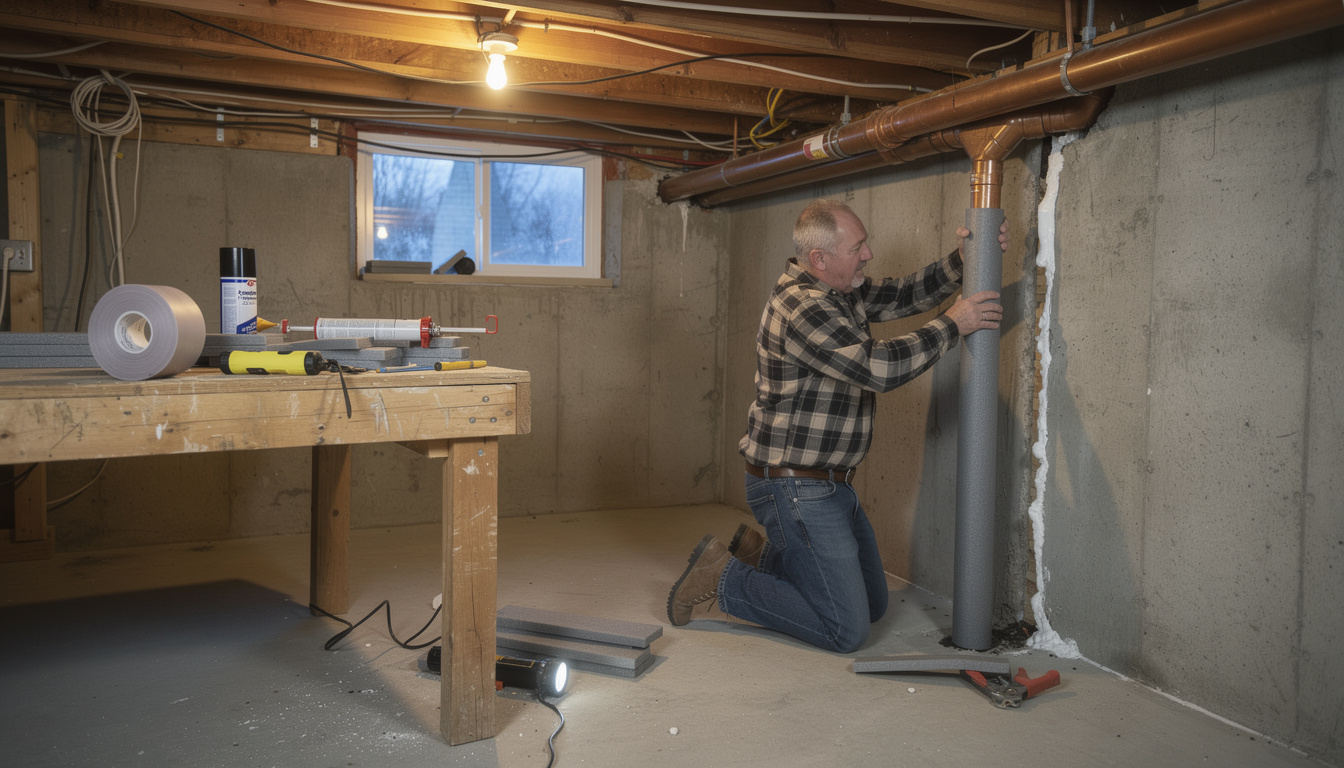
Find the Most Vulnerable Plumbing Lines Before Cold Weather Hits
If you only do one thing, do this: walk your home and identify the pipes most likely to freeze. People lose the most time (and money) because they protect the obvious stuff and miss the weird little sections—like a short run passing near a rim joist or a line routed through a garage soffit. Vulnerability is mostly about temperature and air movement, not how “new” your house is.
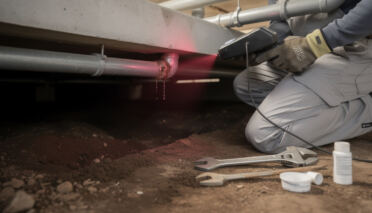
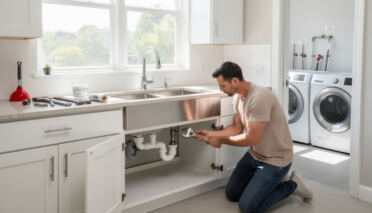
Start with unheated or poorly insulated areas: basements with drafty windows, crawl spaces, attics, garages, and any plumbing tucked into exterior walls. Also look under sinks on outside walls, especially if the cabinet backs up to a cold corner. If you feel cold air when you open the cabinet, the pipes feel it too. Another clue is condensation: pipes “sweating” in winter can mean air is moving around them and temperature is fluctuating.
Do a quick “draft detective” sweep
Drafts are sneaky. Cold air can enter through tiny gaps around hose bibs, dryer vents, electrical penetrations, and foundation cracks. A pipe doesn’t need to be outside to freeze; it just needs a steady stream of cold air hitting one spot. That’s why sealing can be as important as insulation. Use caulk for small seams and spray foam for bigger gaps—just don’t bury anything that needs service access.
Want a simple test? On a windy day, hold your hand near areas where pipes enter/exit the house. If you can feel air movement, that’s a target. If you want to be extra methodical, use an incense stick (carefully) to see smoke drift—or a basic thermal camera attachment, which many homeowners now use for general energy audits.
Common “forgotten pipes” checklist
- 🧊 Lines running along exterior walls behind finished basements
- 🏚️ Plumbing in crawl spaces and attic kneewalls
- 🚗 Water supply to a garage utility sink or fridge line
- 🧺 Pipes near the laundry room if it’s on an outside wall
- 🚰 The short section feeding an outdoor spigot just inside the rim joist
Once you’ve found the risky stretches, take photos. Seriously—your future self will thank you next fall when you can’t remember which line you meant to wrap. The next move is to upgrade pipe protection with insulation and, when needed, active warming like heat tape.
If you want a visual walkthrough of typical freeze points and how homeowners tackle them, this video search will get you there fast.
Pipe Insulation and Heat Tape: Practical Pipe Protection That Actually Works
Once you know where the risk is, the fix is usually straightforward: insulation first, then add heat tape only where conditions justify it. Insulation slows heat loss; heat tape adds controlled warmth when the temperature drops. Used together (properly), they’re a strong one-two punch against frozen pipes.
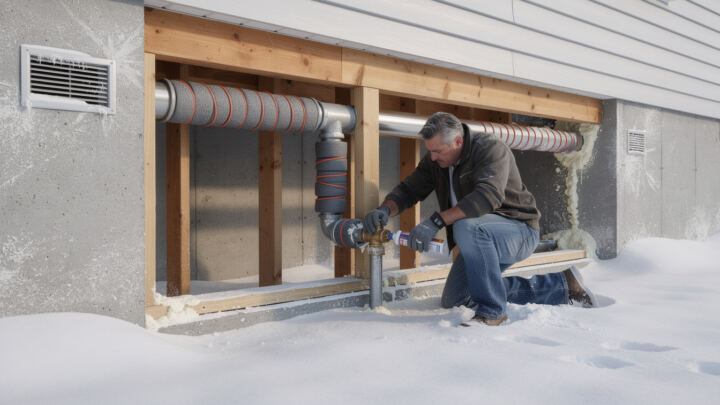
Foam pipe sleeves are the classic DIY choice. They’re cheap, fast, and good for long runs in basements and utility rooms. Fiberglass wraps can work too, especially around odd shapes, but they’re itchier and take more patience. The key is full coverage: straight sections, elbows, valves, and the first few feet near exterior penetrations. Missing a two-inch gap at a fitting can turn the whole project into a false sense of security.
When insulation is enough (and when it isn’t)
If the area stays above freezing because the home is heated and drafts are sealed, insulation alone often does the job. But if you have pipes in a garage that dips below freezing, or a crawl space that gets blasted by wind, you may need active help. That’s where UL-listed heating cables come in. They’re designed to warm pipes safely when installed according to instructions.
Here’s the non-negotiable part: don’t freestyle heat tape. Follow manufacturer spacing, don’t overlap unless the product explicitly allows it, and plug into a GFCI outlet where required. If a run needs to cross itself or wrap tight around a plastic fitting, check compatibility. Good products include thermostatic controls so they only draw power when needed, which is useful during those “warm day / freezing night” patterns.
A simple comparison table (so you can choose fast)
| Option | Best for | Pros | Watch-outs |
|---|---|---|---|
| 🧩 Foam pipe insulation | Heated basements, utility rooms, under sinks | Low cost, quick install, solid everyday protection | Gaps at fittings reduce effectiveness |
| 🧤 Fiberglass wrap | Irregular shapes, valves, tight spaces | Flexible, good thermal resistance | Needs careful sealing; can irritate skin |
| ⚡ Heat tape / heating cable | Cold garages, drafty crawl spaces, high-risk exterior runs | Active warming during deep freezes | Must be UL-listed; install rules matter |
| 🧱 Draft sealing (caulk/spray foam) | Penetrations, rim joists, vents near pipes | Stops cold air that triggers freezing | Don’t block access to shutoffs or cleanouts |
A good rule: insulation is your baseline, draft-sealing is your multiplier, and heat tape is your targeted backup. Next, let’s talk about the outdoor stuff—because exterior lines are usually the first to freeze, and the easiest to forget.
Outdoor Faucets, Hoses, and Sprinklers: Water Drainage That Prevents Leaks
Outdoor plumbing is basically winter’s favorite target. It’s exposed, it cools quickly, and it often holds water in little pockets that freeze first. If you’ve ever seen an exterior faucet split or a line crack behind a brick wall, you know it’s not just an “outside problem.” When that line fails, the leak can show up inside the house.
Start with the simplest win: disconnect garden hoses and store them indoors. Leaving a hose attached can trap water in the faucet body and prevent proper drainage, even if you have a frost-free hose bib. People buy frost-free fixtures and then accidentally defeat them with a $20 hose left on all winter. It’s a classic move—don’t do it.
Shut off and drain exterior lines the right way
Most homes have an interior shut-off valve feeding each outdoor spigot, often in the basement or utility area. Close that valve, then open the outside faucet to let remaining water drain out. If there’s a small bleed cap on the interior shutoff, open it to empty the line fully. This is the core of water drainage for outdoor fixtures, and it’s one of the most reliable ways to prevent leaks in winter.
For extra protection, add insulated faucet covers. They’re not magic, but they reduce temperature swings and block wind. Think of them as a cheap jacket—great on top of proper shutoff and drainage.
Sprinkler systems: don’t gamble with trapped water
Irrigation lines are notorious because a tiny low spot can hold enough water to crack a section when it freezes. Many homeowners use an air compressor to blow out lines; others hire a plumber or irrigation tech to do it safely. The key is not using excessive pressure and not guessing which zones drained. If you’ve got a big yard system, paying for a professional blowout is usually cheaper than springtime excavation.
And here’s the insight people miss: a warm afternoon doesn’t mean your underground lines are safe. If nights drop below freezing repeatedly, those pockets of water can freeze solid over time. Doing the shutdown early in fall keeps you from scrambling when the forecast suddenly turns ugly.
Up next: indoor habits—because sometimes the best freeze defense is how you run the house during a cold snap.
Cold-Weather Habits That Keep Plumbing Safe: Cabinets Open, Faucets Dripping, Temps Steady
There’s the hardware side of winterizing, and then there’s the “how you live in the house” side. During extreme cold weather, small behaviors can be the difference between a normal week and an emergency call. These steps aren’t complicated, but they work because they address the two main triggers: stagnant water and cold air sitting on one spot too long.
Keep interior temperatures consistent (even if you’re away)
If you travel during winter, don’t turn the heat way down to save a few bucks. A common minimum setpoint people use is around 13°C / 55°F, which helps keep hidden cavities from dropping below freezing. In real life, the exact “safe” number depends on insulation, wind exposure, and how your plumbing is routed—so a steadier, slightly warmer setting is cheap insurance.
Smart thermostats make this easier now because they can alert you if your house temperature drops unexpectedly. Pair that with a neighbor checking in after big storms, and you reduce the odds of discovering a problem days later.
Open cabinet doors to warm the pipes
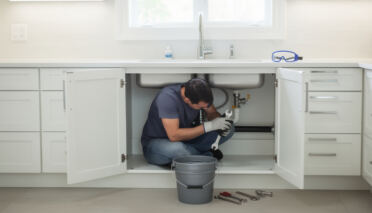
Pipes under sinks often sit behind closed doors with zero airflow. On very cold nights, leave those cabinet doors open so warm room air can circulate. If you’ve got kids or pets and don’t want them exploring the cleaning supplies, use child locks on the chemicals and a simple gate at the doorway. The goal is airflow, not chaos.
Let faucets drip (strategically, not everywhere)
Moving water is less likely to freeze, and even a slow drip can relieve pressure if ice starts forming. Focus on faucets connected to vulnerable lines—like those on exterior walls or in additions. Yes, it can bump your bill a little, but compared to repairs and water damage, it’s tiny. If you’re on a well, dripping can also keep the pump cycling—so balance the drip rate and only do it when a deep freeze is expected.
If you want a practical demo of dripping strategy and cabinet airflow tricks, this video search points to helpful walk-throughs.
Know your shutoff and practice it once
This is the boring hero move: find your main water shut-off valve (usually near the meter or where the line enters the home), label it, and make sure everyone knows how to turn it. If a pipe fails, shutting water quickly can turn “major rebuild” into “annoying repair.” Keep a wrench nearby if it’s a stubborn older valve.
At this point, you’ve handled prevention and daily tactics. The last layer is smarter pipe maintenance: inspections, sump pump checks, and upgrades that reduce risk year after year.
Professional-Level Pipe Maintenance: Inspections, Sump Pumps, and Long-Term Winterize Upgrades
DIY winterizing is great, but the reason pros still get calls every winter is that problems hide. A pipe can be barely insulated behind a finished wall. A shutoff can seep. A sump discharge line can freeze at the worst possible time. The goal of “pro-level” pipe maintenance isn’t to overcomplicate things—it’s to catch weak links before they become emergencies.
Schedule a targeted plumbing inspection (what it should include)
A solid inspection looks for leaks, corrosion, loose fittings, and any runs routed through cold zones. It should also include checking insulation coverage and identifying spots where draft-sealing would make a measurable difference. If you’re in a region with frequent freeze-thaw cycles, it’s worth asking about adding shutoffs for exterior lines, swapping to frost-proof hose bibs, or upgrading insulation where access is easy.
Homeowners who’ve had one freeze event often do two smart upgrades afterward: better pipe wrapping near rim joists, and a leak detection sensor near the water heater or laundry area. In 2026, affordable smart leak detectors are common and can ping your phone when water is detected—helping you prevent leaks from becoming disasters when you’re not home.
Don’t ignore your sump pump in winter
If you have a sump pump, test it before winter by pouring water into the pit. The pump should kick on and move water quickly. Then check the discharge line outside: it should slope away and be clear. If that line freezes, the pump can’t discharge, and your basement can flood even though the pump itself “works.”
One practical fix is improving the discharge routing so water doesn’t sit in low spots. Another is adding insulation where the line is exposed—just don’t create a trap that holds water. If you’ve ever had mid-winter thaw plus rain, you already know why this matters.
Vacant vs. occupied homes: winterizing isn’t identical
If the home is occupied and heated, you usually don’t drain the whole system. You focus on insulation, drafts, and habits during deep freezes. If the home will be vacant and not reliably heated, that’s a different scenario: shutting off the main supply and draining lines becomes more important. You’d open faucets (top floor first), flush toilets, and make sure water is out of traps where appropriate. Some people use non-toxic RV antifreeze in drains for added protection—only the type designed for plumbing, never automotive.
The bottom line: the best winter plan is the one matched to how the house is used. Handle the prevention basics, then level up with the right upgrades so winter stops being a yearly gamble.
What are the first signs my pipes might be freezing?
Watch for reduced water flow, a faucet that only trickles, or pipes that feel unusually cold to the touch—especially in exterior-wall areas. If you suspect a freeze, open the faucet slightly to relieve pressure and warm the area with safe heat (like a hair dryer), not an open flame.
Is heat tape safe to use on home plumbing?
Yes, when it’s UL-listed and installed exactly as directed. Avoid overlapping unless the product allows it, use GFCI protection where required, and don’t ‘DIY-invent’ your own wrapping pattern. Heat tape is best for high-risk runs where insulation alone won’t cut it.
Do I really need to shut off and drain outdoor faucets if I have frost-free hose bibs?
Usually, yes—you should at least disconnect hoses so the frost-free faucet can drain properly. Frost-free designs help, but a hose left attached can trap water and still lead to freezing damage. Adding a faucet cover is a nice extra layer.
What temperature should I keep my house at to avoid frozen pipes while traveling?
A common minimum is about 13°C / 55°F, but safer is keeping a steady, moderate temperature depending on your home’s insulation and exposure. If you’re gone for long, combine that with a neighbor check-in and consider smart alerts for temperature drops.
If a pipe bursts, what should I do first?
Shut off the main water valve immediately, then open a faucet to reduce pressure and help drain the line. If water is near electrical outlets or appliances, turn off power to the affected area if it’s safe. After that, call a plumber and start drying the area quickly to limit damage.