En bref
- 🧼 Start simple: boiling water and smart habits can unclog drains before they turn into bigger pipe clog solutions.
- 🧪 Choose non-toxic methods like baking soda + vinegar for gentle drain cleaning and better pipe safety.
- 🧵 Use physical tools (hair hook, bent hanger, hand auger) for reliable DIY drain clearing when gunk is close to the opening.
- 🌀 A wet/dry vacuum can pull out hair and soap scum fast—great clog removal tips for showers.
- 🧰 For deeper blockages, a rented drain machine works—if you respect pipe damage prevention rules and safety steps.
- 🚫 Skip harsh chemical cleaners: they can soften some plastics, corrode older metal, and make future repairs riskier.
The modern household drain has a weird job: it’s expected to swallow everything from pasta starch to hair gel and still run silently in the background. Then one random morning, the sink starts pooling like a tiny pond and you’re suddenly thinking about pipe safety, odors, and whether you’re about to spend your weekend under a cabinet with a flashlight. The good news is you can unclog drains without turning your plumbing into a science experiment. In fact, the safest approach tends to be the least dramatic: mechanical removal first, gentle flushing next, and only then stepping up to heavier-duty tools if the clog is deeper in the line.
This is also about pipe damage prevention. Plenty of people reach for harsh chemical drain openers because the label promises speed. But those formulas can create heat, attack corrosion in older pipes, and turn a simple blockage into a repair job—especially if you later need to open a cleanout or remove a trap. The better play is to use natural drain cleaners and controlled tools, work in stages, and learn a couple of “tell” signs that reveal where the clog actually sits. Let’s walk through practical, real-world drain cleaning that protects your pipes and your patience.
Unclog Drains Without Damaging Pipes: Start With Smart, Gentle First Moves
If you want to unclog drains safely, the first rule is simple: don’t escalate too fast. Most clogs in kitchens and bathrooms form near the drain opening or in the trap, where soap scum, hair, grease, coffee grounds, and food particles collect. That’s great news, because close-by blockages are usually the easiest to remove without stressing fittings or scraping pipe walls.
Take the example of “Maya,” a fictional (but very relatable) renter in a 1990s apartment. Her bathroom sink slows down every couple of weeks. She used to pour chemical cleaner, then wonder why the smell lingered for days. Switching her routine to gentle DIY drain clearing made the difference: hair removal first, then a hot-water flush, and a simple monthly maintenance rinse. The drain stopped “mysteriously” clogging because the mystery was just buildup that never fully left the system.
Boiling water: simple, but not sloppy
Boiling water is underrated for drain cleaning, especially for greasy kitchen clogs and soap-heavy bathroom drains. Heat softens fats and loosens some grime so it can move along. The key is to pour in stages rather than dumping a whole pot at once. A staged pour gives the heat time to work through the gunk.
Pipe safety note: if you have PVC plumbing, very frequent boiling-water blasts can be harsh over time, especially if your pipes are older or joints are stressed. A safer compromise is “very hot tap water” followed by one careful kettle pour when needed, rather than a daily boil-and-dump habit.
Manual quick check: remove the obvious stuff
Before you mix anything, check the drain cover or stopper. In showers, hair mats form fast. In bathroom sinks, toothpaste sludge and hair can create a sticky plug. In kitchen sinks, a basket strainer may hide bits of food that keep catching more debris. Pulling out a gross hair blob is not glamorous, but it’s one of the most reliable pipe clog solutions there is.
A practical “first-response” toolkit
These basic items help with clog removal tips while keeping pipe damage prevention front and center:
- 🧤 Gloves (nitrile for gross stuff; leather only when using a powered cable machine)
- 🪝 Plastic hair hook (cheap, perfect for shower drains)
- 🧵 Small hand auger (more effective than a hanger for repeated use)
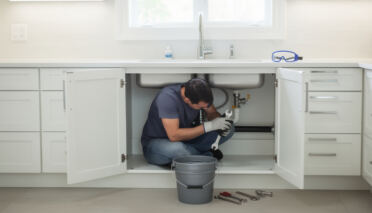
- 🪣 Bucket + rags (because surprises happen)
- 🔦 Flashlight (finding a cleanout or leak early is a win)
The insight here is that gentle, targeted work beats aggressive pouring. Once the easy wins are done, you can step into non-toxic methods that loosen what’s left.
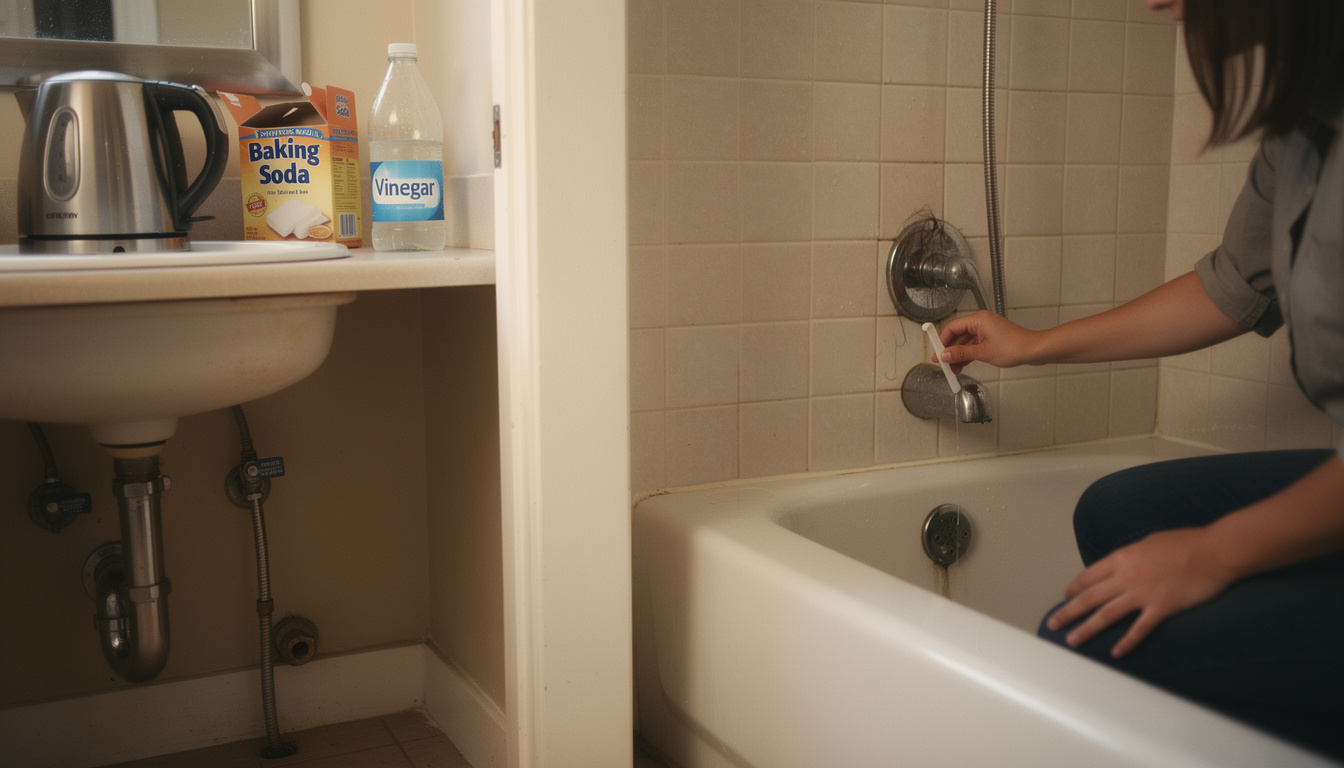
Non-Toxic Methods That Actually Work: Natural Drain Cleaners for Safe Drain Cleaning
When people say “natural drain cleaners,” they usually mean mixtures that break up organic gunk without the harsh corrosive action that can compromise pipe safety. The point isn’t magic—it’s chemistry plus patience. These are especially helpful for slow drains where water still moves, just badly.
Let’s talk about the two classics: baking soda with salt, and baking soda with vinegar. They’re not identical. Baking soda + vinegar gives you fizzing and agitation; baking soda + salt adds mild abrasion and can help with odors and sludge. Neither is a cure-all for solid obstructions (like a toy in a toilet line), but for soap scum and organic buildup, they’re solid.
Baking soda + salt + hot water (a “scrub and push” approach)
A reliable recipe is to combine roughly equal parts baking soda and table salt—about 1/2 cup of each—then follow with hot water. The mixture sits in the pipe for 10 to 20 minutes, giving it time to interact with the grime, and then you flush thoroughly.
Here’s why it’s friendly for pipe damage prevention: you’re not relying on a caustic product to “melt” a blockage. You’re loosening and moving it. That’s easier on older metal drain lines and safer if you end up needing to open a trap afterward.
Baking soda + vinegar (controlled fizz, not a volcano)
A common method is: rinse with hot water first, add baking soda, then wash it down with a vinegar + hot water blend. Let it work for a while—many people give it 30 to 60 minutes—then flush with hot water again.
Want a small upgrade? Plug the drain during the fizzing stage so the reaction pushes downward instead of just bubbling up into the room. That little move makes the method feel less like a “Pinterest trick” and more like real drain cleaning.
Use-case examples that keep you from wasting time
If your kitchen sink is slow after cooking greasy food, boiling water plus a baking soda-salt treatment often helps. If your shower is slow and you know the culprit is hair and soap scum, do physical removal first, then vinegar + baking soda to clean residue off the pipe walls. Mixing methods is fine—just don’t mix random products, especially if anyone already poured chemical cleaner earlier.
Quick comparison table (what to try and when)
| Method | Best for | Pipe safety level | Time | Notes |
|---|---|---|---|---|
| 🔥 Boiling / very hot water | Grease, soap film | ✅ High (use care with older PVC) | 5–10 min | Pour in stages for better drain cleaning |
| 🧂 Baking soda + salt + hot water | Odors, sludge, mild buildup | ✅ High | 20–30 min | Great non-toxic methods starter |
| 🫧 Baking soda + vinegar | Organic gunk, soap scum | ✅ High | 45–90 min | Plug drain to direct pressure downward |
| 🪠 Plunger (sink/tub) | Soft clogs near trap | ✅ High | 5–15 min | Use water to create a seal |
| ⚠️ Chemical drain opener | “Maybe” on some clogs | ❌ Lower | Varies | Can complicate repairs; avoid for pipe damage prevention |
The takeaway: non-toxic methods are slow-ish but dependable for common buildup. If the drain is still stubborn, it’s time to go physical—with better tools than wishful pouring.
Seeing the difference between chemical-based and mechanical approaches can help if you’re a visual learner.
DIY Drain Clearing Tools: Hangers, Hand Snakes, and the No-Damage Way to Pull Clogs
When a drain is truly blocked, you usually need to remove material, not just soften it. That’s where DIY drain clearing shines—if you do it with a light touch. The goal is to grab, lift, or break apart debris without gouging the pipe, popping a joint, or pushing the clog deeper.
The bent-hanger trick (fast, but use it wisely)
A wire coat hanger can work for close clogs. Straighten it, then bend a small 90-degree hook at the end using pliers. Feed it down carefully, twist, and pull up. You’re basically fishing for hair, food bits, or a wad of soap scum.
Pipe safety tip: don’t jam it. If you force a metal hook through a tight bend, you risk scratching older pipes or dislodging a fragile connection. If you meet resistance that doesn’t feel like “gunk,” stop and switch approaches.
Upgrade option: a proper hand auger
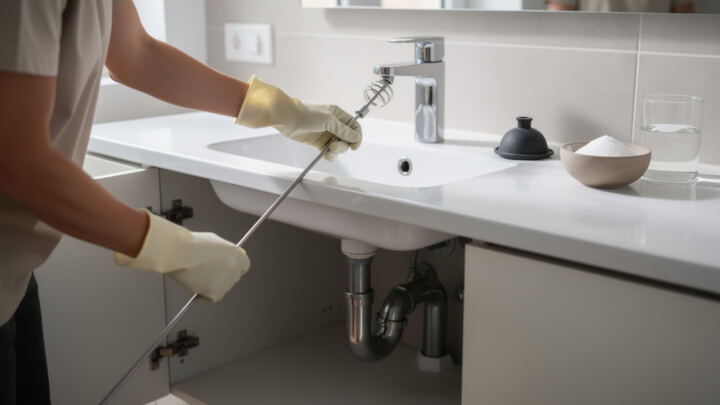
If you find yourself repeating the hanger move every month, buy a small hand snake. It’s designed for drain cleaning and usually glides better through curves. You can feed it, rotate it to bite into the clog, then retract with the debris.
Maya (our renter) tried a $10 hair hook first for her shower, then bought a compact auger after moving into an older building. The difference wasn’t just success rate—it was control. More control means better pipe damage prevention.
Don’t forget the trap and strainer reality
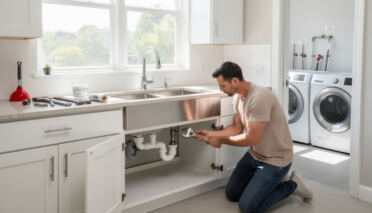
In many sinks, the trap catches debris by design. If you’ve cleared the opening but the sink still drains slowly, the trap might be coated or partially blocked. Some setups include a basket strainer that also traps particles; cleaning it helps more than people expect. If you’re comfortable removing parts, a bucket and rags are essential. If you’re not, focus on top-down methods and vacuum extraction (next section) before disassembly.
Plunging, but correctly
A plunger isn’t only for toilets. For sinks and tubs, you want enough water to cover the plunger rim and create a seal. Short, controlled plunges beat wild hammering. If it’s a double-basin sink, seal the other drain so pressure doesn’t escape. This is one of those clog removal tips that feels old-school because it works.
Once you’ve done the mechanical cleanup, you’ll often notice the drain improves instantly. If it doesn’t, the clog may be deeper—and that’s where suction can be surprisingly effective.
Wet/Dry Vacuum Drain Unclogging: Fast Clog Removal Tips for Hair, Soap Scum, and Sludge
A wet/dry vacuum is one of the most underrated ways to unclog drains, especially in bathrooms. It’s basically reverse plumbing: instead of pushing a blockage down the line, you pull it back out. That’s often safer for pipe clog solutions because you’re not compacting debris into a tighter plug farther away.
Plumbers who do a lot of residential work often recommend this for showers because hair and soap scum are “extractable.” If you can physically remove it, why dissolve it and hope it goes somewhere else?
How to do it without making a mess
Set the vacuum to the wet setting—never attempt this with a standard dry-only machine. Create the tightest seal you can around the drain opening. Sometimes that’s as simple as pressing the nozzle down firmly; other times, you’ll use a damp rag around the nozzle to improve the seal. Turn the vacuum on high suction and hold steady.
One practical trick: cover the vacuum’s exhaust/vent area with a loose plastic bag or use a container to catch anything that bypasses the filter. You’re not trying to aerosolize whatever was living in that pipe.
What success looks like (and what it doesn’t)
If the clog is hair-based, you may hear a change in pitch, then a sudden gulp of water. You might even pull up a clump. Gross, yes. Effective, absolutely. If nothing happens, push the nozzle as far into the drain as it reasonably goes (without damaging the opening), reseal, and try again.
If the drain is totally blocked and you’re getting zero movement, you may be dealing with a deeper obstruction or a main-line issue. That’s where trial-and-error diagnosis and, sometimes, a drain-cleaning machine becomes the next step.
Where this method fits in plumbing maintenance
Think of wet/dry vacuum use as a “reset button” after you’ve removed the cover and grabbed what you can by hand. It’s also a great follow-up after non-toxic methods, because loosened sludge is easier to extract. Used occasionally, it supports pipe safety and keeps buildup from turning into a recurring weekend problem.
The key insight: suction removes the problem instead of relocating it—one of the simplest forms of pipe damage prevention you can do at home.
Deeper Pipe Clog Solutions: Renting a Drain-Cleaning Machine Without Wrecking Your Plumbing
When more than one fixture is backing up—say, the tub gurgles when the toilet flushes, or the kitchen sink and laundry drain both slow down—you’re often looking at a clog farther downstream where lines connect. At that point, natural drain cleaners won’t reach the real problem effectively, and a small hand snake might be too short or too flimsy.
This is the moment people get tempted to pour “something strong.” But for pipe safety, that can be the worst timing. If you later open a cleanout, you don’t want chemical cleaner splashing out. Instead, consider a rented drain-cleaning machine (a powered cable/auger), used carefully.
Diagnose the clog location with simple logic
Use a quick mental map. If only one fixture is clogged and you’ve checked obvious areas, the branch line from that fixture is suspect. If multiple fixtures act up, the problem is likely downstream of where they merge. Homes with upper-floor bathrooms often route drains down through walls into a basement or crawlspace, so looking for floor drains and cleanouts helps you understand the path.
Pick the right cable and size (this matters for pipe damage prevention)
Rental shops typically ask about symptoms and pipe size because the cable diameter should match the line. Small household drain lines often fall in the 1.5 to 3 inch range, where a slimmer cable is typical. Larger pipes need a thicker cable that won’t just whip around uselessly. When you rent, choose a cable long enough to reach beyond where you suspect the clog is—extra length beats coming up short.
Cleanout plug removal: do it like you want to keep your knuckles
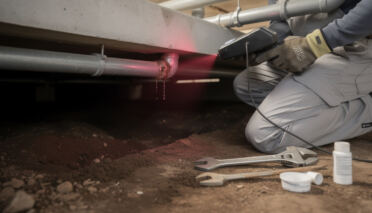
Cleanouts can be in basements, garages, near exterior walls, or integrated with certain plumbing runs. Put a bucket under the opening before you loosen anything. Use an adjustable wrench and go counterclockwise. If it’s stuck, penetrating oil can help. Some people use a cold chisel and hammer to get movement on stubborn square notches, but you want controlled taps, not chaos.
Safety rule: never open a cleanout if chemical drain cleaner was used recently. That’s a recipe for injury and a very bad day.
Operating the machine safely (the short version that keeps you out of trouble)
Place the machine a few feet from the cleanout so the cable feeds smoothly. Plug it into a grounded outlet (or a properly rated grounded extension cord). Wear leather gloves and safety glasses—skip cloth or rubber gloves that can snag in rotating coils. Avoid loose clothing and jewelry.
Feed the cable in slowly. Start with the machine off until you hit resistance, then use the foot switch to power the rotation. The moment you feel tension building or hear the motor slow, stop and relieve tension. Many machines have a reverse setting specifically for that—use reverse briefly to unwind, then go forward again. Forcing a cable under tension is how people hurt wrists and how pipes get damaged.
Once you hit the clog, work it gradually: rotate, advance a bit, back off, and repeat until flow returns. Afterward, flush with hot water to clear residue and confirm the line is open. If you’re still not getting results, it’s time for a professional—especially if you suspect roots, collapsed lines, or a main sewer issue.
The closing insight for this section: powered drain cleaning is effective, but control and patience are the real tools that protect pipe safety.
What can I use to unclog drains without damaging PVC pipes?
Stick to non-toxic methods and gentle mechanics: remove hair/debris first, then try hot (not constantly boiling) water, baking soda + vinegar, or baking soda + salt followed by a thorough hot-water flush. These approaches support pipe safety and pipe damage prevention without relying on corrosive chemicals.
Can a wet/dry vacuum really unclog a shower drain?
Yes. Set it to the wet setting, seal the nozzle over the drain, and use high suction to extract hair and soap scum. It’s one of the fastest DIY drain clearing options because it removes material instead of pushing it deeper.
When should I stop trying home fixes and switch to a drain-cleaning machine or a plumber?
If multiple fixtures are backing up, you see water coming up in a lower drain, or the clog keeps returning quickly, the blockage is likely deeper in the line. At that point, a rented cable machine (used carefully) or a plumber is the safer path for reliable drain cleaning and long-term plumbing maintenance.
Why are chemical drain cleaners a problem for pipe safety?
They can generate heat, worsen corrosion in older metal plumbing, and complicate repairs if you need to open a trap or cleanout afterward. For pipe clog solutions, mechanical removal plus natural drain cleaners is usually safer and more predictable.