In a lot of homes, plumbing only gets attention when something goes wrong—like a faucet that won’t stop dripping, a shower that suddenly feels weak, or a toilet that keeps “refilling” like it’s got a mind of its own. The temptation is real: grab a wrench, watch a quick video, and handle it yourself. And honestly, plenty of DIY plumbing jobs are totally doable. But home plumbing isn’t just a bunch of pipes you can freestyle; it’s a system tied to pressure, sanitation, and in many places, plumbing regulations that decide what’s legal for you to touch.
This is where things get interesting. The same confidence that helps you master basic plumbing repairs can also nudge you into risky territory—like opening a wall to chase a leak, messing with a water heater, or attempting pipe replacement without really knowing what’s behind the drywall. In 2026, building departments and insurers are also stricter about documentation, permits, and licensed work for certain jobs, especially anything that could cause water damage or contamination. The sweet spot is learning what you can fix safely (and how), spotting the warning signs early, and knowing when a professional plumber saves you money, time, and stress.
En bref
- ✅ 🔧 DIY plumbing is great for small fixes like leak fixing, clearing clogs, and swapping fixtures.
- 🚫 🔥 Avoid high-risk work like water heater service, sewer line issues, and major pipe replacement.
- 🧰 🧠 The right plumbing tools and a solid water shutoff plan prevent disasters.
- 📜 🏠 Plumbing regulations and permits can matter more than you think—especially for insurance claims.
- 👀 🚰 Recurring leaks, low pressure, and frequent clogs often mean “call a professional plumber.”
DIY plumbing repairs you can actually do (and feel good about)
If you’re going to DIY anything in your house, small plumbing repairs are some of the most satisfying—because the before-and-after is immediate. Let’s follow a simple thread with a fictional homeowner, Sam, who’s decent with tools and tired of paying service fees for minor stuff. Sam’s rule is simple: if the work stays “at the fixture” (faucet, showerhead, toilet tank) and doesn’t involve opening walls, gas, or anything sewage-related, it’s probably fair game.
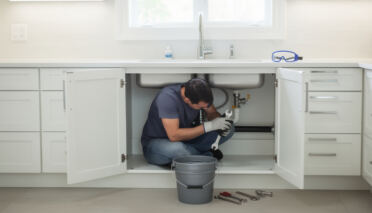
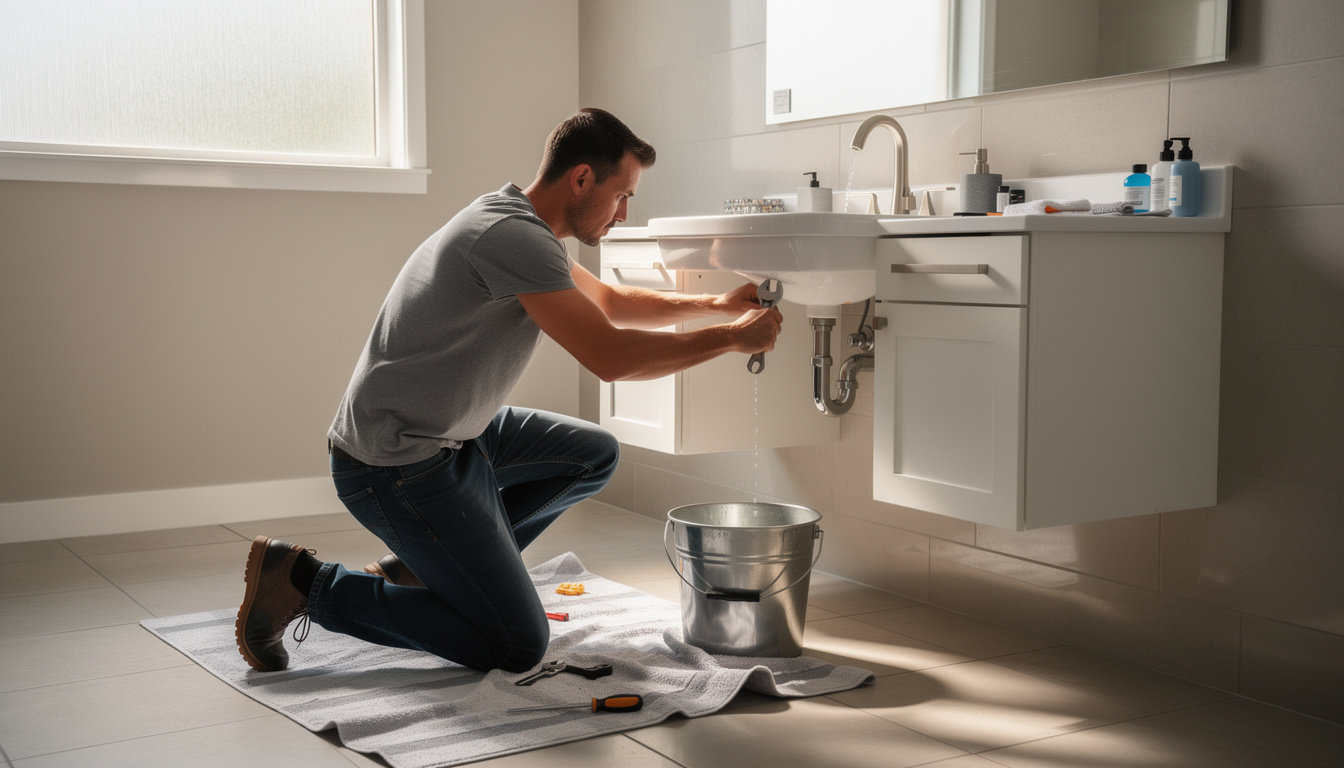
The first win is leak fixing on a dripping faucet. Most drips come down to wear parts—washers, O-rings, cartridges—things designed to fail slowly over time. The trick is not brute force. Sam shuts off the supply valves under the sink, opens the faucet to relieve pressure, then disassembles carefully, lining up parts in order on a towel. That “parts lineup” habit avoids the classic reassembly panic: “Where did this tiny screw go?” The insight here is that patience prevents damage, and damage is what turns a $10 repair into a $200 replacement.
Next up: unclogging drains without melting your pipes. A plunger and a hand snake are boring, but they work. Sam starts with a plunger (proper seal, steady strokes), then moves to a small auger when the kitchen sink still gurgles. Chemical cleaners can seem convenient, but frequent use can be rough on older piping and may not even clear the real blockage—especially grease clogs. A basic routine—drain strainer + no grease down the sink + hot water flush—does more than most people think. The point is plumbing safety isn’t just about emergencies; it’s also about not slowly wrecking your system.
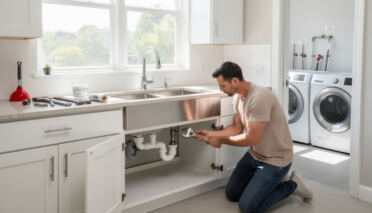
Fixture swaps are another easy confidence booster. Replacing a showerhead or faucet can refresh a bathroom fast. Sam wraps threads with plumber’s tape (a few clean wraps, not a bulky mess), hand-tightens first, then gently finishes with a wrench while protecting the finish with a cloth. Over-tightening is the silent DIY killer; you don’t want to crack a fitting or distort a washer. The last “easy” category is toilet tank repairs: flappers, fill valves, float adjustments. If a toilet runs nonstop, it’s often a flapper not sealing. Replacing it is cheap, and you’ll often notice the water bill calm down afterward.
Here’s a practical checklist Sam keeps on the garage wall:
- 🚰 ✅ Find and label every water shutoff (main + fixture valves) before you start.
- 🧤 🧼 Keep towels, a small bucket, and gloves nearby—clean work is controlled work.
- 🔩 🔧 Don’t “wing it” on parts—take the old part to the store and match it.
- 📸 📱 Take photos mid-disassembly so reassembly isn’t guesswork.
- 🛑 🧠 If you feel yourself forcing something, stop and reassess.
When DIY stays in this lane, you get real savings and real skills, without gambling with your walls or your health.
DIY plumbing tools and shutoff strategy: the “no panic” setup
Most DIY disasters don’t start with a lack of bravery—they start with poor preparation. If you want DIY plumbing to feel controlled instead of chaotic, your best friend is a basic toolkit plus a shutoff plan you can execute in seconds. Sam learned this the hard way during a simple faucet swap that turned into a spray-the-cabinet situation. The fix wasn’t more strength; it was knowing exactly how to stop water fast.
Let’s talk water shutoff first. Every home has at least one main shutoff, usually near where the water line enters the house (basement, garage, utility closet). Some homes also have a curb stop outside, but that’s typically for the utility or emergencies. Inside, you’ll ideally have fixture shutoffs under sinks and behind toilets. Sam’s approach is to test them before any work: turn the valve, open the fixture, confirm flow stops. If a valve won’t close fully, that’s not a DIY failure—it’s a clue you might need that valve replaced before you rely on it in an emergency.
Now the plumbing tools that actually earn their keep. An adjustable wrench is fine, but a pair of channel-lock pliers gives better grip on stubborn fittings. A basin wrench is a lifesaver under sinks where your arms don’t fit comfortably. A small hand auger clears clogs without chemicals. Add plumber’s tape, a few replacement supply lines (the braided kind are common), and a set of screwdrivers. The goal isn’t to build a plumber’s van in your garage; it’s to have the 8–10 items that cover 80% of small jobs.
It also helps to understand materials so you don’t treat everything like it’s the same. Compression fittings, threaded connections, and push-fit connectors all behave differently. Over-tightening a compression nut can deform the ferrule and create a slow leak that only shows up hours later. Threaded connections need clean threads and tape (or dope, depending on the application), and they should tighten smoothly. If you feel “gritty” resistance, something’s cross-threaded—stop before you ruin the fitting.
Since people love a clear comparison, here’s a quick table Sam uses to decide whether DIY is sensible based on tools, risk, and code pressure.
| Job 🛠️ | DIY-friendly? ✅/🚫 | Key tools 🔧 | Main risk ⚠️ | Code/permit pressure 📜 |
|---|---|---|---|---|
| Fix dripping faucet 🚰 | ✅ | Screwdriver, adjustable wrench | Small leak if misassembled | Low |
| Unclog sink drain 🌀 | ✅ | Plunger, hand auger | Pipe damage if you force tools | Low |
| Replace toilet flapper 🚽 | ✅ | None or pliers | Wasted water if wrong fit | Low |
| Install new faucet ✨ | ✅ | Basin wrench, tape | Slow drip at supply line | Low to medium |
| Major pipe replacement 🧱 | 🚫 | Specialty tools | Flooding, hidden damage | High |
| Water heater repair 🔥 | 🚫 | Electrical/gas testing gear | Shock, gas leak, CO risk | High |
To make this practical, set a “stop point” before you start. If the shutoff doesn’t work, if corrosion flakes off in your hand, or if you find nonstandard parts, you pause and reassess. That little discipline is what separates confident DIY from expensive chaos.
If you want a quick visual refresher on basic fixture work and common mistakes, a video search helps—just stick to reputable channels and match your fixture type.
Plumbing repairs you shouldn’t DIY: where the risks get real fast
Some jobs look tempting because they feel like “just more of the same,” but they’re not. The shift happens when work stops being about a fixture and starts being about the system: lines in walls, pressurized distribution, gas interfaces, sewer connections. This is where plumbing safety stops being a nice idea and becomes the whole game.
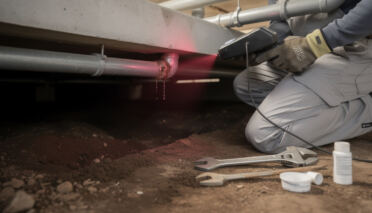
Start with major pipe replacement. Replacing a short, exposed section under a sink is one thing; redoing supply lines through a wall or crawlspace is a different world. You’re dealing with pipe sizing, pressure loss, support and expansion, and correct joining methods for copper, PEX, CPVC, or galvanized steel. One wrong connection can leak slowly behind drywall for weeks, turning a tiny mistake into mold remediation, flooring replacement, and a very awkward insurance call. Sam once considered opening a wall to “just swap a pipe,” then realized the pipe ran past electrical wiring and insulation. That’s when the project stopped being plumbing and started being a building science problem.
Water heaters are another hard stop for most homeowners. Electric units bring shock risk; gas units add combustion, venting, and carbon monoxide hazards. Even if you manage to connect everything, an incorrect setup can cause backdrafting or pressure/temperature relief issues—stuff you don’t want to learn by trial and error. Also, many manufacturers and insurers expect professional installation for warranty and claim purposes. In 2026, documentation matters more than ever when something fails and money is on the line.
Sewer line repairs are the third “nope.” It’s not just gross; it’s genuinely risky. Exposure to sewage can mean bacteria, viruses, and contaminated aerosols. Plus, diagnosing sewer issues often requires camera inspection and proper cleanout use. If multiple drains clog, or you see backups in the lowest fixtures, that points to a main line problem. That’s professional territory, full stop.
Another category that gets people in trouble is anything involving gas lines. Even small leaks can be dangerous, and local plumbing regulations are typically strict. If you smell gas or suspect a leak, you don’t troubleshoot with YouTube—you shut things down safely and call the right pros.
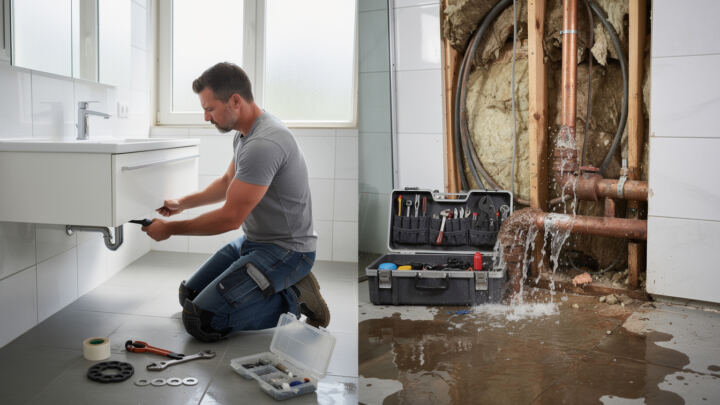
Here’s the real kicker: the cost of a failed DIY on a high-risk job can dwarf the cost of hiring out in the first place. Water damage spreads, mold is expensive, and emergency after-hours service adds premiums. So the smart play isn’t “never DIY,” it’s “DIY the right stuff.” That’s how you stay empowered without betting your house on a weekend project.
To see how pros approach diagnostics and why certain tools matter (like cameras and pressure tests), it helps to watch a plumber walk through the process.
How to decide: DIY plumbing vs hiring a professional plumber (real-life scenarios)
The decision isn’t just about courage or skill; it’s about consequences. Sam uses a simple filter: “If I mess this up, what’s the worst plausible outcome?” A damp towel on the floor is annoying. Water pouring through a ceiling is a crisis. That gap is where you decide whether this is DIY territory or time for a professional plumber.
Let’s break down three common scenarios. First: recurring leaks. If you replaced a washer and the faucet still drips, that’s not a sign you’re hopeless—it’s a sign the root cause might be different (pitted valve seat, worn cartridge housing, incorrect parts, or even excessive pressure). A pro can test pressure, inspect wear patterns, and tell you whether it’s repairable or if the fixture is done. That diagnosis is often what you’re paying for.
Second: low water pressure. People often blame the city or assume it’s “just how the house is,” but sudden pressure drops can indicate a partially closed valve, a failing pressure regulator, mineral buildup, or a hidden leak. If you see pressure problems across multiple fixtures, especially hot and cold, that’s a system clue. DIY can handle cleaning an aerator or showerhead, sure. But if the whole house feels weak, it’s time to escalate.
Third: frequent clogs. One slow sink is normal. Multiple slow drains, gurgling, and bad odors point toward venting issues or a main line developing a blockage. That’s where a plumber’s camera and proper clearing equipment matter. If you keep snaking the same drain every week, you’re not fixing it—you’re babysitting a bigger problem.
Money matters too, so let’s talk numbers in a realistic way. A starter DIY kit for small jobs often lands around $50–$100 depending on what you already own. Replacement parts for faucets and toilets are usually inexpensive. Hiring out commonly runs $150–$400 per visit for straightforward work, with higher costs for emergencies or complex diagnostics. DIY wins on simple fixes, but it can lose badly when an error causes damage.
Sam also keeps insurance and compliance in mind. Some work may need permits or licensed sign-off to remain valid under policies—especially anything tied to heaters, gas, or major alterations. Plumbing regulations vary wildly by location, so it’s worth checking your city or county guidance before you open walls or relocate fixtures. If you ever plan to sell, unpermitted work can come back at inspection time.
If you want a practical decision tool, ask yourself:
- 🤔 Is the fix limited to a fixture (not inside walls/floors)?
- 🚫 Does it avoid gas, electricity, or sewage exposure?
- 🧪 Can you test your work quickly (visual leak check, pressure check at the fixture)?
- 📜 Would a permit or licensed work be expected in your area?
- 💧 If it leaks overnight, will it damage finished spaces?
If the answers make you uneasy, that discomfort is useful data. The best DIYers aren’t fearless—they’re selective, and that selectiveness keeps their homes dry.
What’s the first thing I should do before any DIY plumbing repair?
Locate and test your water shutoff points: the main shutoff and the fixture valves. Turn the valve off, open the faucet to confirm flow stops, and keep a bucket and towels ready. That single step prevents most DIY disasters.
Are chemical drain cleaners ever okay for clogged drains?
They’re best treated as a last resort, not routine maintenance. For most clogs, a plunger and a drain snake/auger are safer for pipes and better at removing debris. Repeated chemical use can be harsh on older plumbing and may not clear grease or solid blockages effectively.
When does a leak stop being a DIY leak fixing job?
When it’s recurring, hidden (inside walls/ceilings), or tied to widespread symptoms like low pressure or water stains. If you can’t verify the repair quickly or the leak could damage finished rooms, it’s usually smarter to call a professional plumber.
Can I do pipe replacement myself if it’s just one section?
If it’s exposed, accessible, and you’re replacing like-for-like with correct fittings, some homeowners manage small sections. But anything behind walls, under slabs, or involving sizing/material transitions is high risk and often affected by plumbing regulations—this is where pros earn their fee.
Do plumbing regulations really matter for small home plumbing projects?
For minor fixture repairs, usually not. But once you’re moving lines, changing heaters, touching gas, or doing major alterations, local codes and permit requirements can apply—and noncompliant work can complicate insurance claims or resale inspections.