In brief
- 🧭 Start with clarity: the best plumber selection begins by defining whether you need routine maintenance, a remodel, or an emergency plumber.
- 🪪 Verify plumber credentials: a licensed plumber plus insurance is your baseline, not a bonus.
- ⭐ Use plumber reviews like a detective: look for patterns (timeliness, cleanup, warranty follow-through), not just star ratings.
- 💰 Compare plumber cost the smart way: match estimates to scope, parts quality, and warranty terms.
- 🧰 Hire for the job: drain work, sewer repair, and remodel rough-ins require different plumbing experience.
- 🚩 Watch red flags: full payment upfront, no written estimate, pressure tactics, or vague “we’ll figure it out later.”
- 🤝 Aim for a trusted plumber you’d call again—communication and documentation matter as much as tools.
When your home’s plumbing acts up, it doesn’t just interrupt your day—it can mess with your walls, floors, air quality, and budget faster than most people expect. A slow leak can quietly swell baseboards and invite mold; a water heater issue can spike energy bills; a bad repair can turn “fixed” into “flooded” in a weekend. The tricky part is that finding a plumber feels urgent exactly when you’re least able to vet someone calmly. And in 2026, with online listings everywhere and “24/7” claims on every ad, the real skill is separating the pros from the pretenders.
This guide is built for real-life choices: a stressed-out homeowner, a tight schedule, and a job that might be small (a dripping faucet) or huge (a sewer line replacement). We’ll follow a simple thread through the whole article—Maya, a homeowner juggling a busy week and an unexpected leak—so the advice stays practical. You’ll learn how to match the right pro to the right problem, how to read estimates without getting snowed, and how to spot the signals of a trusted plumber before anyone even touches a wrench. Ready to make one good decision that saves you five bad ones? Let’s get into it.
How to Choose the Right Plumber: Start With Your Exact Needs (Not Just Panic)
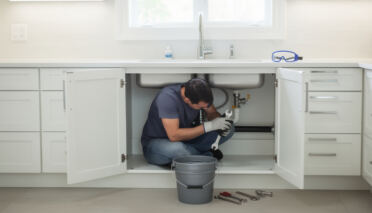
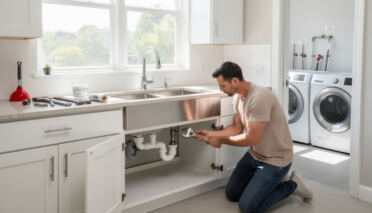
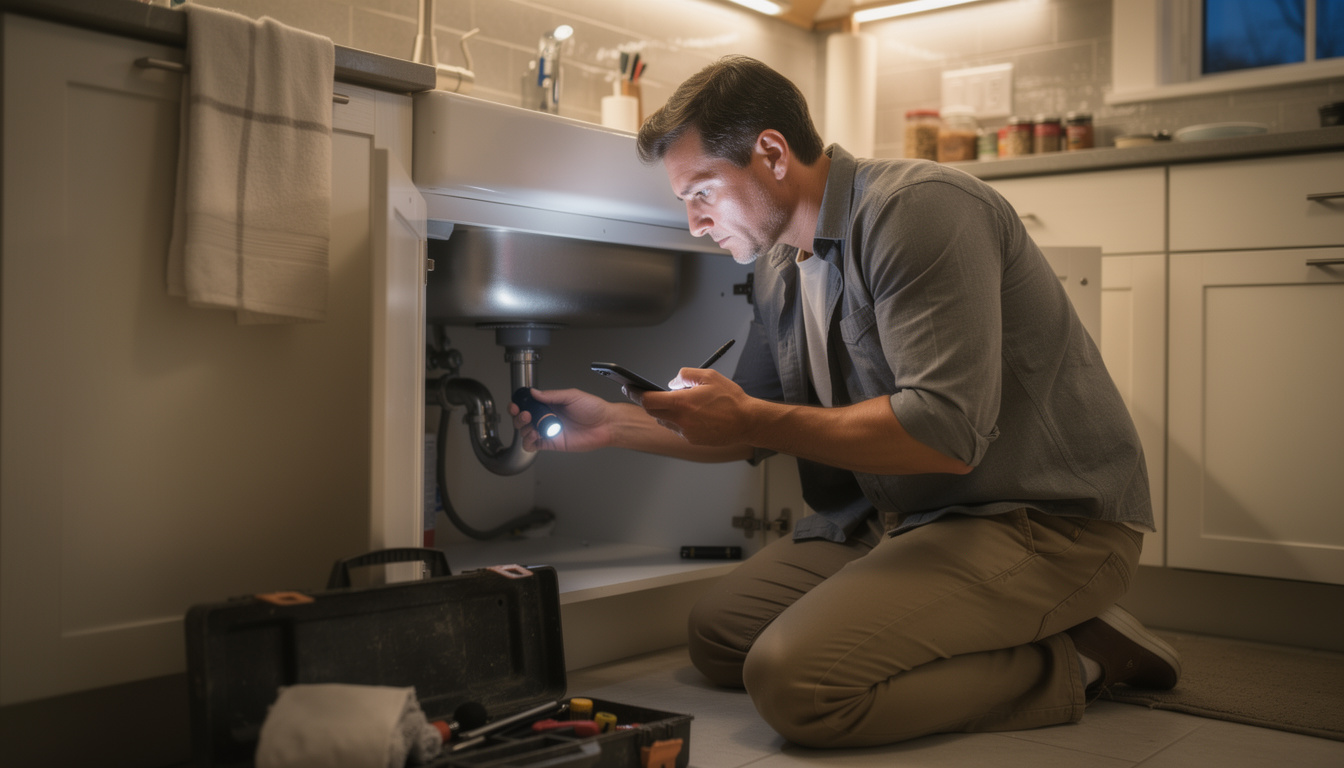
Before you call anyone, pause for a minute and label the problem. This sounds basic, but it’s the difference between hiring a generalist for a specialist job—or paying emergency rates for something that can safely wait until morning. Maya’s story starts with a wet spot under her kitchen sink. Her first thought is “pipe burst,” but a quick check shows it’s a slow drip from the trap connection. That’s annoying, not catastrophic.
In plumber selection, the best first step is defining whether the issue is urgent, time-sensitive, or planned. An emergency plumber is worth every penny when water is actively damaging your home, but it’s overkill when the fix can be scheduled. And yes, you can still prevent damage without paying premium fees: shut off the local valve, place a bucket, and dry the area.
Emergency vs. Non-Emergency: A Simple Reality Check
Here’s a quick way Maya sorted it out: “Is water actively spreading? Is there sewage backup? Is there any electrical risk?” If the answer is yes, you treat it like an emergency. If not, you can shop smarter.
Emergency-type situations typically include burst supply lines, overflowing toilets that won’t stop, sewer backups, or a water heater actively leaking onto the floor. Non-emergencies are things like a slow drain, a faucet drip, or a toilet that runs occasionally. Those can still waste money and water, but they usually allow for scheduled plumbing services.
Match the Plumber’s Specialty to the Problem
Not every plumber wants (or should) do every job. Some are amazing at drain diagnostics; others shine on remodel rough-ins, water heaters, or trenchless sewer work. If Maya were renovating a bathroom, she’d want someone who does remodel plumbing weekly, not “sometimes.” That’s because remodel work is full of coordination: permits, inspections, venting, slope, fixture specs, and timing with other trades.
Ask directly what percentage of their work looks like your problem. This is one of the quickest “fit checks” for real plumbing experience.
Make a Quick “Scope Snapshot” Before You Call
This saves time and prevents misquotes. Maya took two photos, wrote down when the leak happens (only when the dishwasher runs), and noted her shutoff valve location. When she called, she sounded prepared—and got better questions in return.
Insight to carry forward: the right hire starts with a clearly defined job, because a clear job attracts a clear estimate.
Licensed Plumber Checklist: Credentials, Insurance, and What “Verified” Should Really Mean
A licensed plumber isn’t just a badge; it’s a signal that the person has met a baseline for training, exams, and code knowledge. That matters more in 2026 than ever because plumbing codes keep evolving—backflow prevention, water efficiency requirements, material standards, and local amendments can change what “correct” looks like from one county to the next.
Maya’s neighbor once hired an unlicensed handyman for a “simple valve swap.” It held for three months, then failed during a holiday trip. The repair bill was one thing; the water damage remediation was another. That’s the kind of domino effect licensing helps reduce.
Plumber Credentials You Should Ask For (And Actually Verify)
Don’t feel weird asking. A professional expects it and will provide it quickly.
- 🪪 State plumbing license (and the license number so you can verify it)
- 🛡️ General liability insurance proof (covers accidental property damage)
- 👷 Workers’ compensation proof (especially if they have employees)
- 📄 Permitting readiness (willingness to pull permits when required)
Verification matters because screenshots can be faked and policies can lapse. A quick call to the insurer or a check on the state licensing portal is a two-minute habit that can save you weeks of headaches.
Why Insurance Isn’t “Extra”—It’s the Whole Game
Imagine a tech drops a heavy tool and cracks a porcelain sink, or a soldering mistake scorches a cabinet. Without liability coverage, you’re negotiating reimbursement instead of simply filing a claim. In the worst cases, homeowners end up paying for repairs twice: once to fix the plumbing, and again to fix the “oops.”
Workers’ comp is even more uncomfortable to skip. If someone gets hurt on your property and they aren’t properly covered, liability can get messy fast. That’s not fear-mongering; it’s just how risk works.
A Practical Table: “Looks Legit” vs. “Actually Legit”
| Check ✅ | “Looks fine” 😬 | “Actually solid” 💪 |
|---|---|---|
| 🪪 License | They say “I’m licensed” verbally | You verify the license number on the state site |
| 🛡️ Insurance | Old certificate photo in a text | Current COI with dates + insurer contact |
| 📄 Permits | “You don’t need permits for that” (without explanation) | They explain when permits apply and who pulls them |
| 🧾 Documentation | Handshake deal | Written estimate + scope + warranty terms |
Insight to carry forward: credentials aren’t about being fancy—they’re about making sure mistakes don’t become your financial problem.
Once credentials check out, the next question is simple: what do other people say after the job is done?
Plumber Reviews That Actually Help: Reading Between the Stars (and Asking the Right Questions)
Plumber reviews are useful, but only if you read them like a pattern-finder instead of a shopper skimming for five-star glitter. Maya almost hired the first company with 4.9 stars—until she noticed a repeating theme in the 3-star reviews: “They were nice, but the final invoice was higher than expected.” That’s not necessarily a scam, but it’s a pricing communication issue. And pricing communication issues become your issue.
When finding a plumber, look in a few places: Google, Yelp, Angi/HomeAdvisor-style platforms, and local community groups. Each source has bias. Google is broad. Lead-gen platforms can emphasize responsiveness. Community groups can be brutally honest, but sometimes overly emotional. Put them together and you get a clearer picture.
What to Look for in Reviews (The “Signal Words”)
Star ratings are a summary; the text is the story. Reviews that mention specifics—photos shared, cleanup done, options explained, warranty honored—are gold. Pay attention to language like:
- ⭐ “Explained options clearly” (communication)
- 🧼 “Left the area cleaner than they found it” (respect + process)
- ⏱️ “Arrived when they said they would” (reliability)
- 🧾 “Estimate matched invoice” (pricing discipline)
- 🛠️ “Came back and fixed it without arguing” (warranty behavior)
Also watch for review clusters. If a business has fifty reviews in one month and almost none the rest of the year, it could be a marketing push. Not automatically bad—just something to weigh.
References: Yes, You Can Ask (And No, It’s Not Awkward)
If the job is big—sewer repair, repiping, a major remodel—ask for two or three references. Maya did this for a water heater replacement and learned something valuable: one reference mentioned the installer offered two brands at different price points and explained why. That’s what a trusted plumber does: they give choices, not ultimatums.
Good reference questions aren’t “Were they nice?” Ask:
- 📅 Was the work finished on schedule?
- 💵 Did the final plumber cost match the estimate? If it changed, was the change approved first?
- 🧩 How did they handle surprises inside the wall or under the slab?
- 🔁 Would you hire them again for different plumbing services?
Communication Is Part of the Craft
Plumbing isn’t just physical work; it’s diagnosis. A pro who can’t explain what’s happening might still be skilled, but you’re taking a blind ride. Maya chose the plumber who used plain language: “This gasket is failing, here are two repair paths, here’s what each costs, and here’s why I’d choose option B.” That’s competence you can feel.
Insight to carry forward: reviews aren’t about perfection—they’re about predictability under pressure.
Now that you’ve got reputation and communication in focus, the next step is the one that affects your budget the most: estimates and pricing structure.
Plumber Cost Explained: Estimates, Warranties, and How to Compare Quotes Without Getting Burned
Talking about plumber cost can feel awkward, but it’s where most homeowner regrets live. The goal isn’t to find the cheapest number; it’s to find the best value for a repair that won’t fail again. Maya collected three estimates for a medium job: replacing a section of corroded pipe and adding a shutoff valve. Prices varied a lot, and the differences weren’t random—they came from scope, materials, and assumptions.
Written Estimates: Your Best Friend
Always ask for a written estimate before work starts, even for smaller jobs when possible. It doesn’t need to be a legal novel, but it should show:
- 🧾 The exact scope (what’s included and what’s excluded)
- 🔩 Materials (type/brand when relevant)
- ⏳ Labor model (flat-rate vs time-and-materials)
- 🚚 Any trip/diagnostic fees
- 🛡️ Warranty details (labor and parts)
“Too good to be true” pricing usually means corners: low-grade parts, rushed labor, or a quote that doesn’t include restoration work (patching drywall, hauling debris, etc.). Cheap can get expensive fast when you pay twice.
Flat-Rate vs. Time-and-Materials (T&M)
Flat-rate is predictable: you pay a set price for a defined task. T&M can be fair for complex diagnostics where no one can see the full problem yet. The key is clarity on the trigger points: when do they call you, what requires approval, and how do they document changes?
Maya preferred a hybrid: a flat diagnostic fee plus an estimate that turned into flat-rate once the issue was confirmed. That structure kept her from paying open-ended hours without visibility.
Warranty Talk: The Quiet Marker of Confidence
Good plumbers stand behind their work because they don’t want return visits for the same failure. Ask what the warranty covers and how claims are handled. Is it “parts only”? Does it include labor? What about if the manufacturer denies a claim? A solid warranty doesn’t just protect you; it signals the plumber’s pride in their craft.
Pricing Red Flags That Should Stop You Cold
- 🚩 Demanding full payment upfront (a reasonable deposit for big jobs is different)
- 🚩 Refusing to provide anything in writing
- 🚩 “We’re here now, sign this” pressure tactics
- 🚩 Vague line items like “misc materials” with no explanation
Insight to carry forward: the best price is the one that stays stable because the job was defined clearly and done right.
With pricing sorted, the final piece is choosing the right kind of plumber for your specific scenario—especially when time, risk, and complexity ramp up.
Trusted Plumber Selection for Real Scenarios: Emergencies, Remodels, and Long-Term Partnerships
The endgame of plumber selection isn’t just solving today’s leak—it’s building a go-to relationship with someone you’d trust when something goes wrong at 2 a.m. The most practical homeowners treat this like finding a good mechanic: once you’ve got a great one, you don’t start from scratch every time.
Maya’s turning point was realizing she didn’t want a one-off fix; she wanted a plumber who documents work, explains maintenance, and can handle different types of plumbing services as her house ages.
Emergency Plumber: What “Good Under Pressure” Looks Like
In an emergency, response time matters—but so does process. A strong emergency pro will still do the basics: shutoff strategy, containment, diagnosis, and a clear plan. They’ll also explain whether the “night fix” is a temporary stabilization or a complete repair.
Ask how they prioritize calls, whether they stock common parts, and what the after-hours rate structure is. A good emergency plumber isn’t just fast; they’re organized.
Remodel Plumbing: Coordination Is Half the Job
Kitchen and bathroom upgrades are where hidden mistakes show up later: bad venting, incorrect slope, undersized lines, or shortcuts that fail inspection. The plumber you want here is someone comfortable talking to inspectors and coordinating with tile installers, electricians, and cabinet teams.
Maya’s friend learned this the hard way when a shower drain was set slightly off-center. It wasn’t “unfixable,” but it forced expensive rework. A remodel-savvy plumber thinks in three dimensions and double-checks measurements before anything is locked in.
Long-Term Value: Maintenance Plans and Practical Advice
A trusted plumber will often offer simple preventative suggestions: replacing aging shutoff valves, installing a pressure regulator if your PSI is high, flushing a tank water heater on schedule, or using a camera inspection before buying a house. These aren’t scare tactics when presented as options with clear reasoning.
If you want to keep it simple, ask: “What would you do in your own home?” Pros who answer directly tend to be the ones who aren’t trying to sell you a panic package.
A Quick Scenario Test You Can Use on Any Call
When you speak to a company, listen for three things: do they ask clarifying questions, do they explain next steps, and do they set expectations about timing and cost? If they can’t do that on the phone, it usually doesn’t improve in your kitchen.
Insight to carry forward: the right plumber isn’t just skilled—they’re consistent, communicative, and built for the kind of work you actually need.
How do I verify plumber credentials quickly without turning it into a huge project?
Ask for the license number and the name it’s registered under, then check your state’s online licensing portal. For insurance, request a current certificate of insurance (COI) showing general liability (and workers’ comp if they have employees). A legit company won’t act offended—this is standard homeowner due diligence.
What’s the smartest way to compare plumber cost across multiple estimates?
Compare scope first, price second. Make sure each quote includes the same tasks, materials, disposal/cleanup, and any wall access/patch expectations. Then compare warranty terms (labor vs parts) and the pricing model (flat-rate vs time-and-materials). The best deal is the one that’s clearly defined and least likely to change mid-job.
What are the biggest red flags when finding a plumber?
Major red flags include demanding full payment upfront, refusing to provide a written estimate, no verifiable plumber reviews, pressure to approve extra work without showing evidence, and vague answers about licensing/insurance. If your gut says something’s off, it usually is—call the next option.
Should I always call an emergency plumber for a leak?
Only if water is actively spreading, there’s a risk of electrical contact, or you can’t stop the flow with shutoff valves. If the leak is slow and controllable, you can often schedule a next-day visit and save money. Either way, take photos and note when the leak occurs—those details speed up diagnosis.