Most plumbing disasters don’t start with a dramatic burst pipe. They start quietly: a little chalky buildup on a faucet aerator, a drain that gurgles once a week, a toilet that “sometimes” runs after flushing. The tricky part is that homes hide plumbing problems better than they hide dust. Water slips behind walls, into cabinets, under floors—doing slow, expensive damage while life goes on. The good news? Preventing issues is way less about fancy gadgets and way more about simple habits that keep your system stable year-round.
In this guide, we’ll follow a fictional homeowner, Sam, who bought a cozy 1990s house and decided to get serious about plumbing maintenance. You’ll see how small routines (like checking water pressure, keeping drains clear, and protecting pipes from cold snaps) stack up into real leak prevention. Think of it like dental care: you can ignore it until it hurts, or you can do a few smart things now and avoid the pain later.
En bref
- 🕵️ Build a routine of regular inspections to spot silent leaks early.
- 🚿 Use water pressure control to protect fixtures, hoses, and joints from wear.
- 🧼 Make drain cleaning a habit, not a panic move after a clog.
- 🧊 Prioritize pipe insulation and winterizing pipes before cold weather hits.
- 🔧 Practice fixture upkeep (toilets, faucets, shutoff valves) so small drips don’t become big repairs.
- 🧰 Schedule a professional plumbing check for the stuff you can’t easily see or test.
Regular plumbing inspections that catch problems early (before the damage)
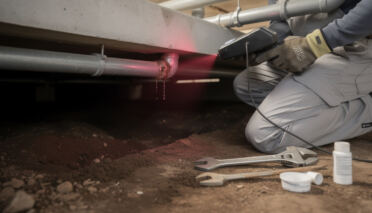
Sam’s first win was realizing that regular inspections aren’t about “looking around.” They’re about checking a few high-risk spots on a repeatable schedule. Water is sneaky, and many leaks don’t announce themselves with puddles. They show up as a musty smell under a sink, a cabinet floor that feels slightly soft, or a water bill that creeps up even though your habits didn’t change. If you’ve ever had a mystery spike on your utility statement, you know how frustrating it feels.
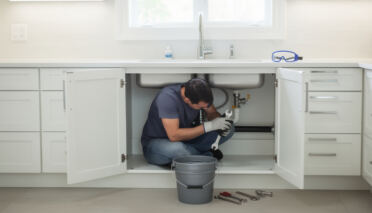
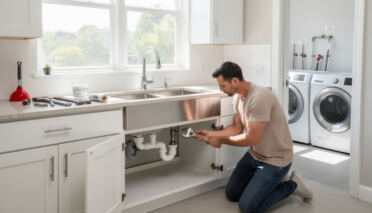
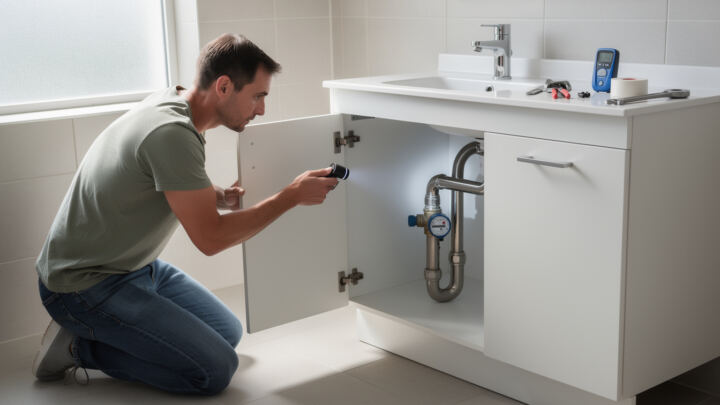
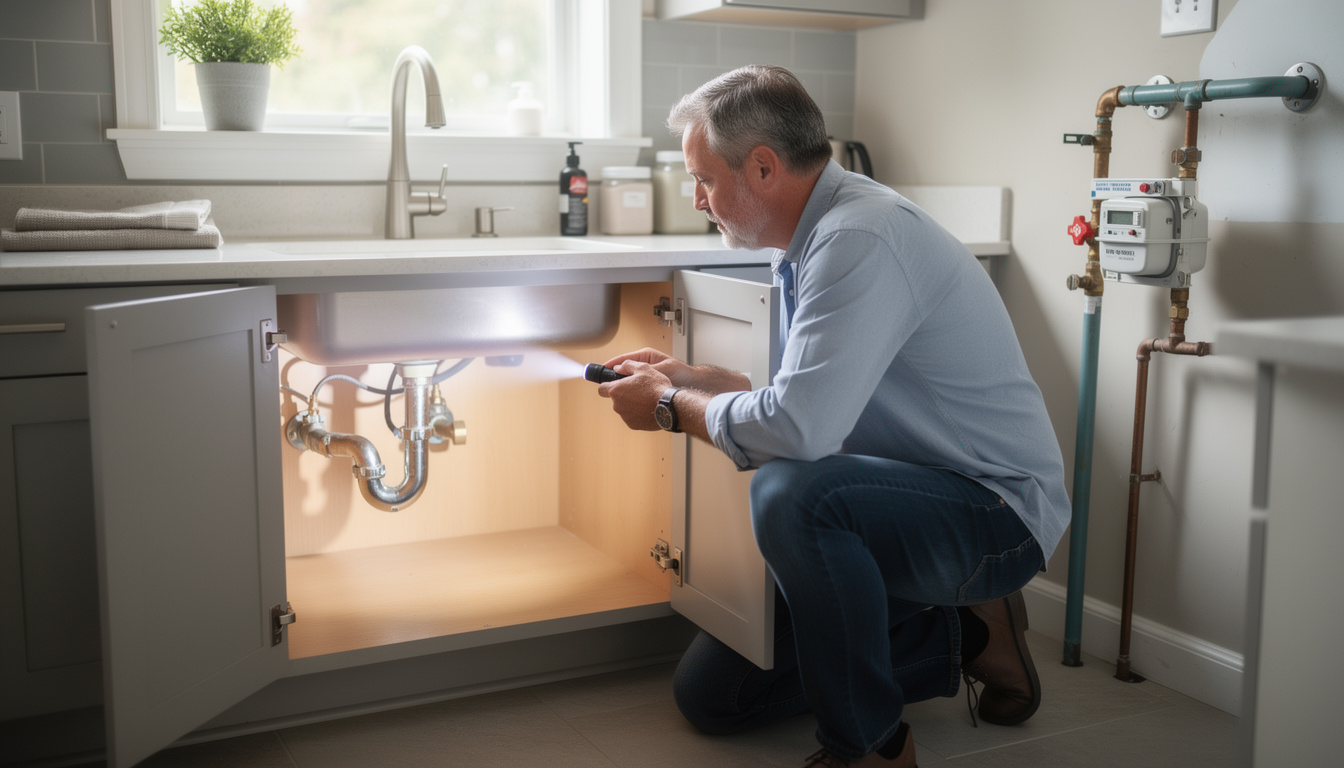
Start with the easiest diagnostic tool you already own: your eyes. Open every under-sink cabinet and look for greenish corrosion on copper, white crust on fittings, or dark staining on the back wall. Touch the shutoff valves—are they damp? Give each trap (the U-shaped bend) a gentle wiggle; it shouldn’t feel loose. If you notice swelling in particleboard cabinets, that can be an early hint that moisture has been hanging around for a while.
Use your water meter for simple leak prevention tests
For leak prevention, Sam did a classic meter test on a quiet afternoon. Turn off all water-using devices (no dishwasher, no laundry, no sprinklers), then check the water meter. Many meters have a small “leak indicator” triangle or dial that moves with tiny flows. If it’s spinning when everything is off, water is going somewhere—often a toilet flapper, a slow drip, or an underground line leak.
This isn’t about becoming a detective for fun; it’s about protecting the parts of your house that can’t dry out easily. A slow leak under a bathroom vanity can lead to mold remediation or subfloor replacement—repairs that feel wildly unfair for “just a drip.” The insight here is simple: what you catch early is cheap; what you catch late gets structural.
Know the usual suspects: toilets, supply lines, and water heater zones
Toilets are a top culprit because a worn flapper can leak silently into the bowl for months. Sam added a quick dye test every few months: drop a few coloring drops into the tank, wait 10 minutes without flushing, and see if color appears in the bowl. If it does, you’ve got a leak. Cheap part, big impact.
Supply lines to faucets and toilets are another weak point, especially older braided hoses that look “fine” until they suddenly aren’t. Make a habit of checking for bulges, rust at connections, or mineral crust. Around the water heater, scan for dampness at the temperature/pressure relief valve discharge pipe and the shutoff connection. Water heaters rarely fail politely; they usually give small warnings first.
Next up, Sam tackled the “force” side of plumbing—because even perfect pipes hate excessive pressure.
Water pressure control to extend the life of pipes, joints, and appliances
Most homeowners think pressure is just about having a satisfying shower. But water pressure control is one of the most underrated ways to avoid plumbing trouble. High pressure can stress fittings, accelerate tiny leaks, and shorten the lifespan of dishwashers, washing machines, ice makers, and even water heaters. It’s like driving your car at redline all day—things wear out faster, and the breakdown feels “sudden” even though the damage was building.
Sam bought a simple pressure gauge that screws onto an outdoor spigot. The reading surprised him: it hovered near 85 PSI in the evenings. Many homes do best around 50–60 PSI, and lots of plumbing components are happiest under 80 PSI. If you’re consistently above that, it’s worth taking action before the weak link in your system chooses an inconvenient moment to fail.
Pressure-reducing valves and thermal expansion: the duo people forget
If your area has high municipal pressure, a pressure-reducing valve (PRV) can keep the whole house calmer. When PRVs age, they can drift or fail, so checking pressure annually is smart. Sam also learned about thermal expansion: when water heats, it expands, and in “closed” systems (often with a PRV or backflow device), that expansion has nowhere to go. The result can be pressure spikes that stress tanks and valves.
An expansion tank on the water heater can absorb that extra volume and smooth out pressure changes. You don’t have to obsess over it daily, but it’s a “set it and forget it” part that prevents weird intermittent dripping at relief valves and reduces stress on connections.
Real-life signs you might have pressure issues
Pressure problems don’t always feel like a firehose shower. You might notice banging pipes (water hammer), faucets that spit and sputter, or an appliance hose that seems to fail more often than it should. Sam’s clue was subtle: his toilet fill valves kept getting noisy. Once pressure was tamed, those annoying symptoms faded.
One more practical move: know where your main shutoff is and make sure it turns. A valve that hasn’t been touched in 10 years can seize, and the day you need it, you don’t want to be wrestling it while water spreads across the floor. The key takeaway: stable pressure equals stable plumbing, and stability prevents surprise failures.
If you want a quick visual overview of common home pressure issues and how homeowners diagnose them, this video search is a great starting point.
Drain cleaning routines and clog prevention that don’t rely on harsh chemicals
Clogs feel like a small annoyance until they become a big one—like a kitchen sink backing up right before guests arrive. Sam used to treat clogged drains as random bad luck. Then he realized most blockages are predictable: grease plus time, hair plus soap scum, “flushable” wipes plus optimism. If you want reliable clog prevention, you need a system that keeps buildup from becoming a plug.
Drain cleaning doesn’t mean blasting corrosive chemicals down the pipe every month. Those products can be rough on older plumbing and aren’t great for septic systems. Instead, Sam went with a gentler routine: strainers, hot water flushing, occasional enzyme treatments, and mechanical cleaning when needed. The point is to remove the gunk physically or break it down gradually, not to wage chemical war in your walls.
Kitchen drains: grease management is everything
In the kitchen, grease is the villain that plays the long game. Even if you rinse with hot water, fats cool down farther along the line and cling to pipe walls. Sam started wiping pans with paper towels before washing and collecting cooking grease in a jar. He also avoided grinding fibrous food scraps (like celery) in the disposal because those strands can wrap and snag.
A simple habit that helped: once a week, Sam ran hot water while adding a small amount of dish soap to help emulsify light residues. It’s not magic, but it reduces the sticky layer that traps debris. The bigger win was behavior change: keeping grease out in the first place.
Bathroom drains: hair + soap scum = the classic slow drain
Bathroom sinks and showers clog because hair forms a net, and soap scum hardens into glue. Sam installed inexpensive drain covers and made it a rule: every few days, he removes hair from the cover (gross, but quick). For deeper maintenance, a plastic drain snake handled most slow drains without dismantling pipes.
And yes, toilets: “flushable” wipes still cause plenty of problems in real homes. Sam switched to a lidded trash can and treated the toilet like it’s designed for exactly two things. Boring? Sure. Effective? Absolutely.
| Area | Common cause | Best prevention habit | Early warning sign |
|---|---|---|---|
| Kitchen sink 🍳 | Grease + food particles | Wipe pans, avoid grease dumping ✅ | Gurgling after draining |
| Shower/tub 🚿 | Hair + soap scum | Use a strainer, remove hair weekly 🧼 | Water pools for 30+ seconds |
| Bathroom sink 🪥 | Toothpaste residue + hair | Occasional snake, hot water rinse ♨️ | Slow swirl, frequent bubbles |
| Toilet 🚽 | Wipes, excess paper | Only flush paper + waste 🚫 | Rising water, weak flush |
Sam’s biggest mindset shift was this: drains don’t “suddenly” clog—most of the time, they slowly lose capacity until one normal load pushes them over the edge. Next, he tackled the seasonal threat that wrecks pipes in a single night: freezing.
For a practical walkthrough of safe drain maintenance methods, this video search will point you to solid demos.
Pipe insulation and winterizing pipes to avoid freeze bursts and hidden cracks
If you’ve never dealt with a frozen pipe, it’s easy to underestimate how fast things go from “it’s chilly” to “why is my ceiling dripping?” The nasty part is that pipes often crack during freezing but don’t visibly leak until they thaw. That means a cold snap can set a trap that springs the next afternoon when temperatures rise. Sam learned this after a neighbor had a split line in an exterior wall—quiet at night, catastrophic by lunchtime.
Pipe insulation is the boring hero here. It doesn’t have to look pretty; it just has to keep vulnerable lines above freezing. Focus on pipes in unheated areas: crawl spaces, garages, basements near vents, attics, and exterior walls. Foam sleeves are easy for straight runs, while fiberglass wrap can handle odd shapes. Seal drafts too—cold air blowing through a small gap can freeze a pipe even if the room isn’t that cold.
Winterizing pipes: what actually matters (and what’s just noise)
Winterizing pipes isn’t one single task; it’s a checklist that depends on your home. Sam’s list started with outdoor plumbing: disconnect hoses, drain and shut off exterior bibs if they have an interior shutoff, and store hoses so they don’t trap water. He also drained irrigation lines and made sure the backflow preventer was protected.
Inside, Sam kept cabinet doors open under sinks on the coldest nights to let warm air circulate, especially for plumbing on exterior walls. He also set the thermostat to a consistent temperature overnight instead of “saving money” by letting the house drop too low. A small savings isn’t worth a burst pipe deductible.
Smart habits during cold snaps
During extreme cold, a slow drip from a faucet can keep water moving and reduce freezing risk on vulnerable lines. It’s not always necessary, but it can help when you know a specific pipe is at risk. Sam used this trick for one bathroom that shared a wall with an uninsulated garage. After adding insulation and sealing air leaks, he didn’t need the drip anymore.
Also, know the location of your shutoffs before winter hits. If a pipe does fail, the first minute matters. The final insight: winter damage is preventable, but only if you prepare before the forecast turns dramatic.
Fixture upkeep and professional plumbing check habits that keep everything reliable
After Sam stabilized pressure, cleared drains, and protected pipes from cold, he realized most everyday failures still come from fixtures: faucets, toilets, and the little valves you only think about when they fail. Fixture upkeep is where you get the highest return on attention because fixtures are the most used parts of the system, and tiny failures add up fast—water bills, cabinet damage, annoying noises, and stress.
Start with faucets. A slow drip might look harmless, but it can stain sinks, corrode drains, and waste water constantly. Often it’s a worn cartridge or washer. Sam kept a small “fixture kit” at home: plumber’s grease, a couple of common cartridges for his faucet brand, and spare supply lines. The goal wasn’t to become a full DIY plumber; it was to avoid turning a minor issue into a weekend-ruining emergency.
Toilet reliability: the quiet savings machine
Toilets are simple but busy. The flapper, fill valve, and handle chain wear out. If your toilet occasionally runs after flushing, that’s not “normal”—it’s a sign parts are drifting out of spec. Sam replaced his flappers proactively every few years, especially in bathrooms that got heavy use. He also cleaned mineral buildup from the fill valve filter because his neighborhood water was hard.
One easy win: make sure the toilet shutoff valve turns smoothly. If it’s stuck, replace it before you need it. In a real leak, being able to stop water instantly is half the battle.
When a professional plumbing check is worth it
Even if you’re handy, some issues hide behind walls or require specialized tools. A yearly or every-other-year professional plumbing check can be a smart move, especially for older homes, houses with trees near sewer lines, or properties with a history of leaks. A pro can spot early signs of pipe corrosion, improper venting, marginal water heater safety setups, or failing shutoffs.
Sam scheduled a check after noticing a faint sewer smell in one bathroom. The plumber found a partially blocked vent stack and a dry trap caused by an infrequently used floor drain. Quick fixes, huge improvement in comfort, and no more worrying about something “mystical” happening in the walls.
Here’s a simple routine Sam posted on his utility room wall to keep things realistic:
- 🗓️ Monthly: quick under-sink scan, listen for toilet running, check for new stains.
- 📉 Quarterly: water meter leak test; clean faucet aerators; inspect supply lines.
- 🧼 Seasonally: targeted drain cleaning and outdoor bib checks.
- 🧊 Fall: confirm pipe insulation, do winterizing pipes tasks, test main shutoff.
- 🧰 Yearly: schedule a professional plumbing check if your home is older or has known risk factors.
The bigger point is that good plumbing maintenance isn’t a one-time project—it’s a calm rhythm that keeps surprises rare.
How often should I do regular inspections if my home is newer?
Even in a newer home, do quick monthly visual checks under sinks and around toilets, and do a water meter leak test quarterly. Newer materials can still fail at connections, and catching a slow leak early is the whole game.
What’s the safest way to handle drain cleaning without damaging pipes?
Use strainers for clog prevention, remove hair mechanically, flush with hot water as needed, and use enzyme-based treatments occasionally for organic buildup. Avoid frequent use of harsh chemical cleaners, especially if you have older plumbing or a septic system.
Is pipe insulation really necessary if I keep the heat on?
Yes, because drafts and unheated cavities can freeze lines even when the house feels warm. Pipe insulation plus sealing air leaks is the best combo for winterizing pipes and reducing freeze-burst risk.
What water pressure is considered too high?
If your home consistently reads above about 80 PSI, you should look into water pressure control (often with a PRV) to reduce wear on fixtures, hoses, and joints. Many homes operate comfortably around 50–60 PSI.
When should I book a professional plumbing check instead of DIY?
Book one if you see recurring leaks, unexplained water bill increases, sewer odors, frequent clogs, low pressure with no clear cause, or if your house is older and you want a baseline assessment. A pro can evaluate hidden risks and confirm your system is safe and stable.