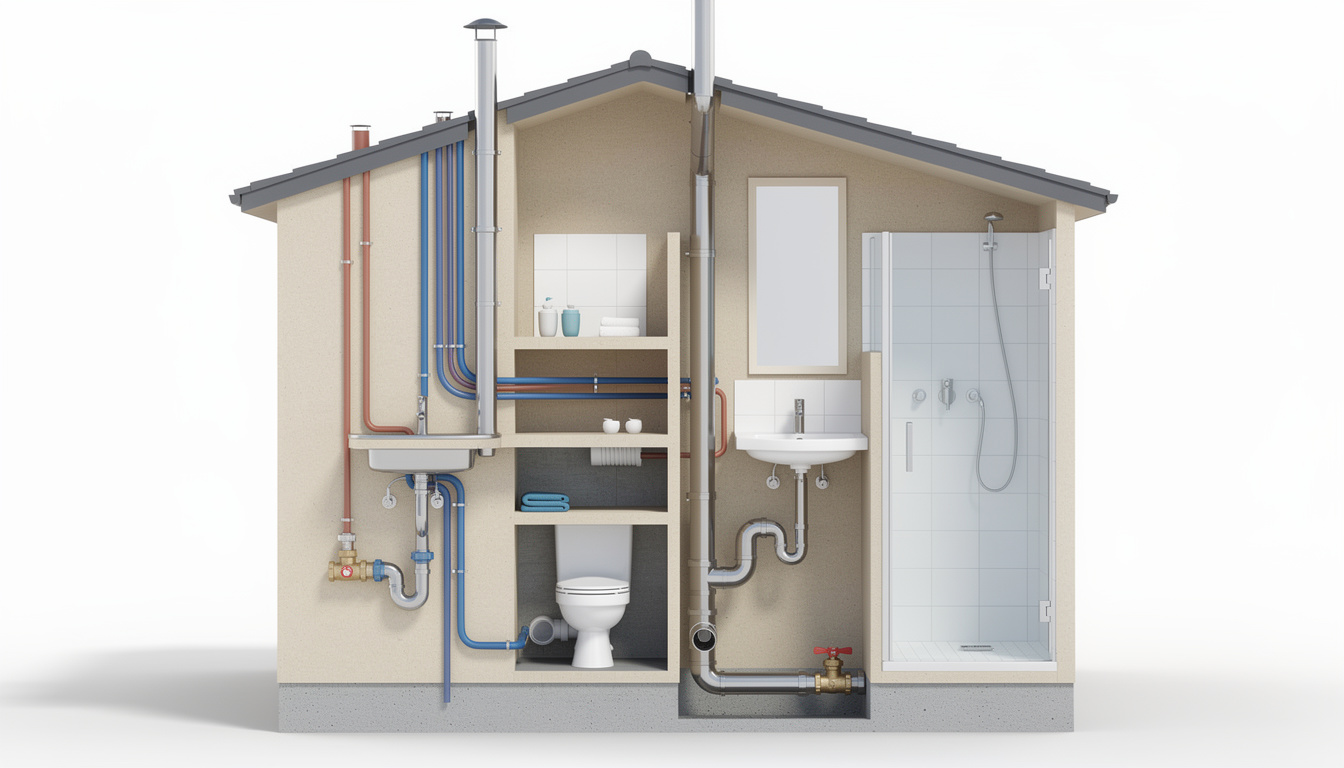
- 🚰 Know your system: a home’s plumbing is really two networks—pressurized supply and gravity-fed drain-waste-vent.
- 🧯 Learn the shutoffs: the main valve and fixture shutoffs can turn a “small leak” into a non-event.
- 🪠 Start simple: most everyday clog problems can be handled safely with a plunger and smart technique.
- 🔧 Use the right tools: a proper wrench, tape, and a gentle auger beat brute force every time.
- 💧 Respect water pressure: supply lines can cause fast damage; drains usually don’t—until they back up.
- 🧼 Skip harsh chemicals: corrosive cleaners can shorten the life of older pipes and make future repairs nastier.
- 🧰 Preventive maintenance wins: screens, periodic checks, and small replacements (like a toilet flapper) avoid big bills.
Plumbing isn’t mysterious, but it’s definitely the kind of household system that feels “invisible” right up until it’s not. One day everything’s fine, and the next you’ve got a sink that won’t drain, a toilet that won’t stop running, or a suspicious stain creeping across the ceiling that screams leak. The good news: you don’t need to be a pro to understand what’s happening behind your walls. Once you get the basics—how water gets in, how waste gets out, and how air helps the whole thing flow—you can make calmer decisions and avoid the classic panic-driven mistakes.
In 2026, homeowners are also dealing with pricier repairs and tighter schedules for trades, which makes basic know-how even more valuable. That doesn’t mean you should tackle major jobs solo; it means you should be able to shut off the right valve, spot early warning signs, and try a safe first step before you call for backup. Think of it like knowing how to change a tire: you’re not rebuilding the engine, you’re just staying in control. Let’s break down the essentials—systems, tools, habits, and a few fixes—so you can keep your pipes behaving.
Plumbing 101 Basics: Understanding Your Home’s Water Supply, Drain, and Vent Systems
If you only learn one “big idea” about plumbing, make it this: your home is running two different networks at once. The water supply side is pressurized, built to deliver clean water to every fixture you use. The drain-waste-vent side is mostly gravity-driven, built to remove used water and sewer gases safely. When people get confused and start “fixing” the wrong side, that’s when tiny problems become expensive stories.
The water supply side: pressurized lines, fast damage, and why tiny leaks matter
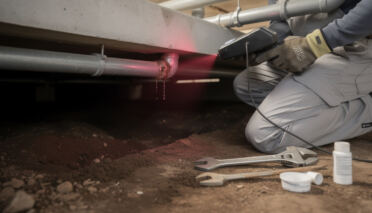
Supply lines are under water pressure all the time. That’s why a pinhole in a line can spray into a wall cavity like a small sprinkler, quietly soaking insulation and drywall for hours. A homeowner I’ll call Maya noticed a faint hissing behind a bathroom wall and ignored it because “nothing was dripping.” By the time she opened the wall, a small supply-line leak had turned into warped flooring and the start of mold. Pressurized problems move fast.
This side includes your main shutoff valve (often where the line enters the house), plus branch lines feeding sinks, toilets, washing machines, and outdoor spigots. The supply network is also where you’ll see common failure points like old braided hoses, worn shutoff valves, and connections that were overtightened years ago and finally gave up.
The drain-waste-vent (DWV) side: gravity, traps, vents, and the “gurgle warning”
DWV piping relies on slope and airflow. Wastewater moves downward through pipes, while vents let air in so water can flow out without “glugging” or siphoning traps dry. If you’ve ever heard a sink gurgle after you flush a toilet, that’s your house basically telling you, “Hey, airflow is weird right now.”
Vents can get blocked (leaves, a bird nest, winter ice in some regions), and when that happens you may see slow drains, bubbling in a toilet, or sewer smells. The vent isn’t there for comfort—it’s there so the system can breathe and keep pressure balanced.
Fixtures and visible clues: your system talks if you know what to look for
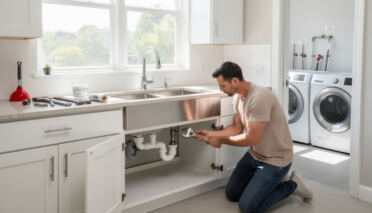
Your fixture connections are the best “inspection windows” you have. Rust rings, greenish staining on copper, mineral crust on joints, or soft cabinet flooring under a sink are all early signals. Catch them early and you’re swapping a $10 part; wait, and you’re replacing cabinetry.
Insight: The fastest way to feel confident about plumbing is to stop thinking of it as random parts and start seeing it as two coordinated systems—pressure in, gravity out.
DIY Plumbing Tools and Materials Everyone Should Keep at Home (Without Overdoing It)
You don’t need a garage full of gear to handle basic plumbing issues, but you do need a few reliable tools—and the patience to use them gently. The big theme here is control: the right tool helps you apply force where it belongs, without cracking a fitting or chewing up a nut. And yes, a wrench can absolutely create a problem if you treat it like a gym workout.
The core toolkit: what to buy first and why it actually matters
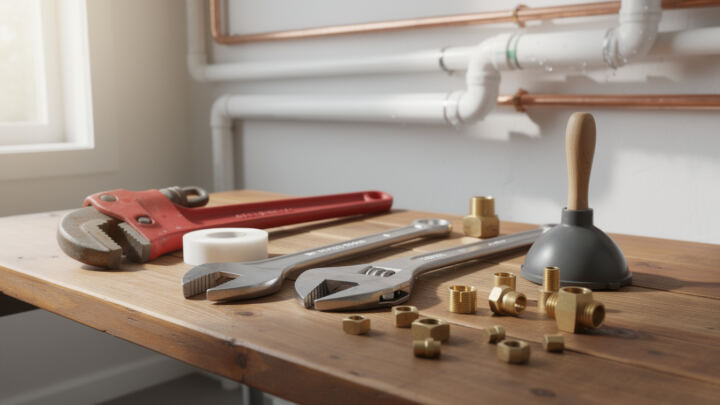
Start with a quality plunger (toilet-style for toilets, cup-style for sinks), an adjustable wrench, and tongue-and-groove pliers. Add a small drain auger for stubborn clog issues, plus a bucket and towels. That bucket sounds boring until the moment you open a trap and realize gravity never takes a day off.
People love skipping “small” items like gloves and goggles, then regret it the second they cut PVC and get shavings where shavings should never be. Safety gear is part of being DIY-smart, not DIY-brave.
Sealants, tape, and the truth about “just crank it tighter”
Threaded connections often need plumber’s tape (PTFE) or the right sealant product depending on the connection type. Tape isn’t a magic bandage for everything—if the threads are damaged or the fitting is the wrong type, tape won’t save you. Still, used correctly, it prevents slow weeps that become cabinet rot.
Overtightening is one of the top homeowner mistakes. It can strip threads, deform rubber washers, and crack older fittings. The better approach is: snug it, test it, then tighten a tiny bit more only if needed.
Tool choices vs. pipe materials: copper, PVC, PEX, and “be gentle with the old stuff”
Different pipes tolerate different handling. Copper can last a long time, but older copper may show corrosion and can be less forgiving if you twist aggressively on joints. PVC is common for drains and is long-lived, but it can crack if stressed. PEX is flexible and popular for supply runs, but fittings still need proper technique and the correct connectors.
| Item 🧰 | Best for ✅ | Common mistake ⚠️ | Quick tip 💡 |
|---|---|---|---|
| Plunger 🪠 | Sink/toilet clogs | Using the wrong type | Create a tight seal and use steady pushes |
| Adjustable wrench 🔧 | Shutoff valves, fittings | Overtightening | Support the opposite side with a second tool |
| Drain auger 🌀 | Stubborn clog in a drain line | Forcing it and damaging pipes | Rotate gently; pull debris out, don’t ram it |
| PTFE tape / sealant 🧴 | Threaded connections | Using it on the wrong joint type | Wrap tape in the direction of the threads |
Insight: A small, well-chosen kit beats a pile of random tools—because plumbing rewards precision, not chaos.
If you want a visual walkthrough of beginner-friendly tools and typical household fixes, a quick video search helps you match names to shapes before you’re crouched under a sink.
Plumbing Dos and Don’ts: Habits That Prevent Leaks, Clocks, and Costly Water Damage
Most plumbing disasters aren’t sudden acts of fate—they’re slow-building consequences of habits. The “don’ts” are usually the big ones: pouring grease down the kitchen sink, ignoring a slow drain, or treating a suspicious damp spot like it’s tomorrow’s problem. On the flip side, a few low-effort routines can keep your system calm for years.
Do learn shutoffs and label them (future-you will be grateful)
Find your main shutoff valve and test it before you need it. If it’s stuck, that’s a problem worth solving on a normal Tuesday—not at midnight when a hose bursts. Also locate the smaller fixture shutoffs (under sinks, behind toilets). A localized shutoff lets you keep water on for the rest of the house while you fix one fixture.
Maya (yes, the same one) started labeling valves after her wall leak. When her washing machine hose later failed, she shut it down in seconds and avoided another round of repairs. Simple win.
Don’t send grease, coffee grounds, or “flushable” wipes into the system
Grease cools, sticks, and builds. It’s basically a slow-motion clog factory. Coffee grounds don’t dissolve; they settle. And “flushable” wipes? They’re notorious for creating blockages downstream. Your toilet is not a trash can. If it didn’t come from your body or toilet paper, it doesn’t belong there.
Do use screens, strainers, and small preventative maintenance checks
Drain screens in showers and kitchen sinks catch the stuff that becomes expensive: hair, food scraps, labels from jars. Every month or so, do a quick look under sinks for moisture, check around toilet bases, and peek at exposed connections. This kind of maintenance takes five minutes and can prevent cabinet rot, warped floors, and that musty smell you can’t un-smell.
- 🕵️ Check under sinks for dampness and corrosion around fittings
- 🚿 Clean shower drain screens weekly to prevent hair buildup
- 🧼 Run hot water after soapy use, but skip corrosive chemical cleaners
- 🧯 Know where your main valve is and keep it accessible (not buried behind storage)
- 🔩 Tighten only when needed; “gorilla tight” breaks threads and seals
Insight: Plumbing rewards boring routines—because small prevention beats dramatic repair every time.
Simple DIY Fixes: Clearing a Clog, Stopping a Running Toilet, and Handling a Minor Leak Safely
Here’s the deal: you can fix a lot of common issues without becoming the neighborhood plumber. The trick is to follow a calm process, protect your pipes, and stop the moment the job starts asking for tools or skills you don’t have. DIY should reduce damage, not gamble with it.
How to clear a clogged drain without wrecking your pipes
For a basic sink or tub clog, start with the least aggressive method. Hot water can help with soap buildup. A baking soda and vinegar combo can loosen gunk near the top (it’s not magic, but it’s gentle). If that fails, move to a plunger—yes, plungers work on sinks too if you block the overflow and get a good seal.
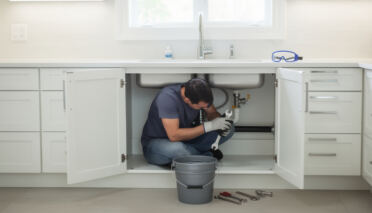
If you use an auger, go slow. The goal is to hook and pull debris, not to spear something. People get impatient, force the cable, and end up damaging older sections or pushing the blockage deeper. If you can access the P-trap under the sink, place a bucket, loosen fittings carefully, and check for buildup in that curved section where debris loves to hang out.
How to fix a running toilet (and why it’s a water-bill bully)
A running toilet is often caused by a flapper that isn’t sealing, a chain that’s tangled, or a fill valve that isn’t shutting off correctly. Pop the tank lid, look at the flapper, and see if it sits flat. Turn off the toilet’s shutoff valve, flush to empty the tank, and replace the worn part. These parts are inexpensive, and the job is usually a straightforward swap.
Be gentle when removing pieces. Plastic gets brittle, and forcing a nut can crack the component you weren’t even trying to replace.
How to react to a minor leak: control, contain, then decide
If you spot a leak, your first move is control. Shut off the nearest valve (fixture shutoff if possible; main shutoff if needed). Then contain: bucket, towels, and a quick check of what’s wet. Is it a supply line under water pressure (riskier) or a drain connection (usually only leaks when used)?
Some small drips at threaded joints can be fixed by reseating the connection with proper tape or approved sealant, but if the fitting is cracked or corroded, replacement is the safer call. And if you see ceiling stains, don’t wait—water travels far before it shows itself.
Want a clear visual on stopping a running toilet and diagnosing the usual suspects inside the tank? Watching a step-by-step demo once can save you a lot of trial and error.
Insight: The best DIY fix is the one that stops the damage quickly and keeps the system reliable—without “testing your luck” on hidden pipes.
When to Call a Professional Plumber: Red Flags, Code Issues, and High-Risk Repairs
Knowing the basics doesn’t mean you have to do everything yourself. In fact, the real homeowner superpower is recognizing when a problem has crossed into “specialized tools + experience” territory. Pros aren’t just faster—they’re also more likely to spot the second problem hiding behind the first one.
Big warning signs: sewer smells, repeated clogs, and anything involving main lines
If multiple fixtures are backing up, if you’re getting sewer odors, or if you’ve got recurring slow drains even after you clear them, the issue may be deeper in the system. Mainline and sewer problems can involve cameras, specialized snakes, and sometimes excavation. That’s not a weekend DIY vibe.
Also, if your drains gurgle constantly or traps keep losing water (leading to smells), the venting might be compromised. Roof vent work can be risky and is often better left to someone with the right safety setup.
Water heaters, repiping, and “it works but it doesn’t look right” situations
Water heater repairs (especially anything involving gas, combustion air, or electrical controls) should be handled by qualified technicians. Repiping projects, major valve replacements, or anything requiring permits and inspections should also go to a licensed plumber so the work meets local code. In 2026, home insurance and resale inspections have gotten less forgiving about DIY work that looks improvised.
If you ever find yourself thinking, “I can probably make this fit,” pause. Plumbing connections aren’t the place for creative geometry. Wrong fittings, mismatched materials, and poor support can lead to leaks that show up months later.
A practical decision rule: risk, access, and consequences
Ask three questions: (1) Is it under water pressure? (2) Is it hidden behind walls or under floors? (3) If I mess up, will it cause flooding or contamination? If the answers lean “yes,” calling a pro is often the cheapest option in the long run.
Insight: DIY is smart when the consequences are small and visible; pros are worth it when hidden damage could multiply quietly.
What’s the first plumbing skill every homeowner should learn?
Locate and test your main shutoff valve and the smaller fixture shutoffs. In a leak situation, shutting off water quickly is the difference between a quick repair and major water damage.
Why should I avoid pouring grease down the drain?
Grease cools and solidifies inside pipes, grabbing food bits and forming a clog over time. It often starts as a slow drain and ends as a blockage that needs snaking or professional cleaning.
Is it safe to use chemical drain cleaners for a clog?
It’s usually a bad idea, especially in older plumbing. Harsh products can be corrosive, damage pipes, and make later repairs more dangerous. Start with mechanical methods like a plunger or a gentle auger.
How do I know if a running toilet is a flapper problem or a fill valve issue?
If the tank fills and then slowly loses water into the bowl, it’s often the flapper not sealing. If water keeps running into the overflow or never shuts off, the fill valve is the more likely culprit.
When should I stop DIY and call a plumber?
Call a pro for repeated backups, sewer smells, suspected mainline issues, major leaks under water pressure, or any work involving water heaters, repiping, or code-permitted changes. If the risk includes hidden flooding, it’s time.