Your home’s plumbing is one of those quiet systems you only notice when it’s mad at you. One day everything feels normal—good showers, dishes done, laundry running—then suddenly there’s a weird drip under the sink, a toilet that won’t stop refilling, or a kitchen drain that starts acting like it’s in slow motion. The catch is that most plumbing disasters don’t arrive out of nowhere. They build up from small, fixable issues: a tiny leak that quietly swells a water bill, a little mineral buildup that messes with water pressure, or a “temporary” clog that turns into a weekend-ruining backup.
Efficient plumbing isn’t about doing complicated projects every month. It’s more like staying sharp with a few routines: quick checks, better habits about what goes down the drain, a bit of pipe care in the right places, and knowing when to stop DIY-ing and call a pro. To make it real, we’ll follow a fictional homeowner, Maya, who’s juggling work, kids, and a 1990s house that’s mostly fine—until it isn’t. With some preventive tips, she keeps her system calm, avoids water damage, and makes plumbing maintenance feel like part of normal home life rather than a panic event.
En bref
- 💧 Build a simple routine for plumbing maintenance so small issues don’t snowball.
- 🔎 Use quick checks for leak prevention around fixtures, appliances, and outdoor taps.
- 🚿 Keep water pressure in a safe range to protect joints and valves.
- 🧼 Make drain cleaning gentle and regular; skip harsh chemicals whenever possible.
- 🚽 Treat toilets like toilets (not trash cans) to reduce clog removal emergencies.
- 🧊 Add pipe insulation where cold snaps can surprise you—even in “warm” regions.
- 🛠️ Schedule a periodic system inspection when your home is older or has past issues.
Efficient Plumbing Maintenance Routines That Actually Stick
Maya’s turning point wasn’t a dramatic flood—it was a steady, annoying drip under the bathroom sink that made her realize she had no routine at all. The trick with efficient plumbing is to make maintenance boring and predictable. If you only react when something breaks, you’ll always pay the “emergency tax”: higher repair costs, extra damage, and the stress of shutting water off while you’re already late for everything.
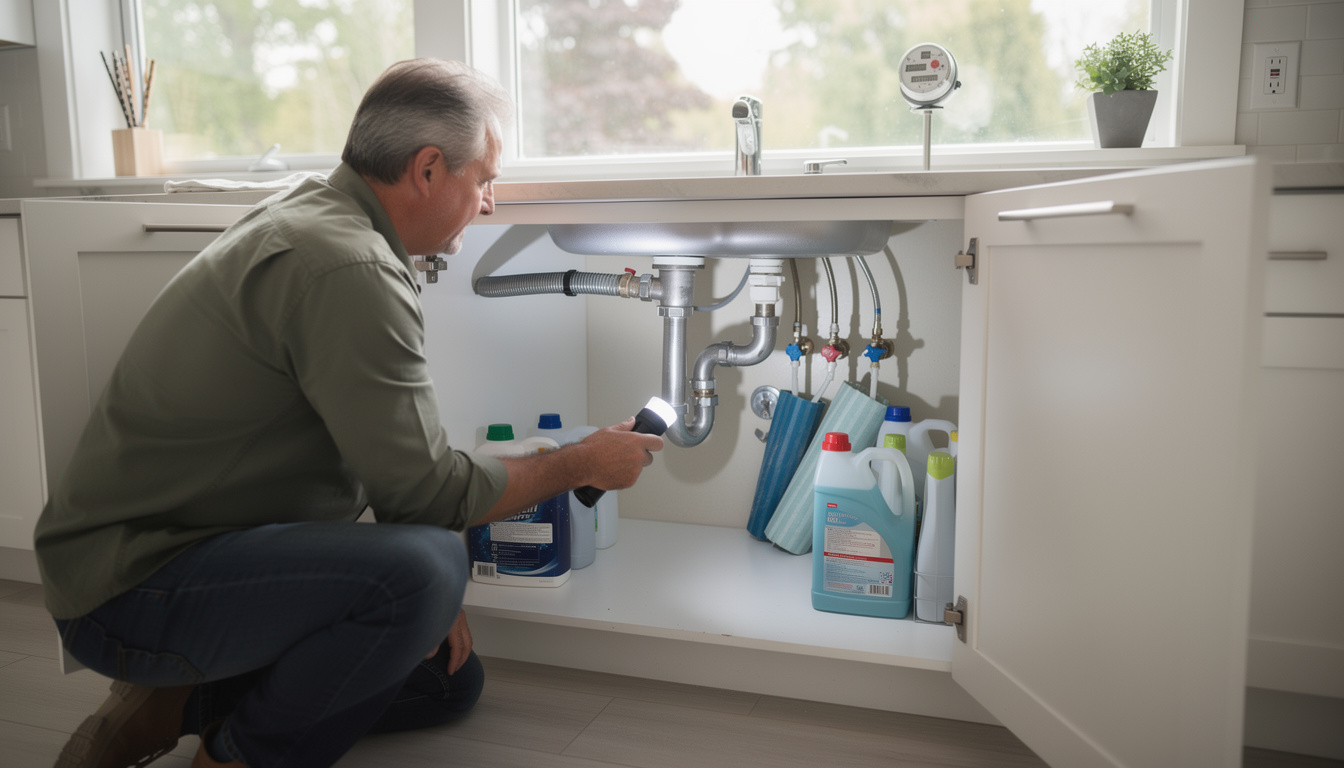
A practical routine starts with a “two-minute scan” you do every couple of weeks. Open the cabinet under sinks, look for moisture, and run your hand along the shutoff valve area. You’re not looking for perfection; you’re looking for change. A new damp spot, a bit of corrosion, or a musty smell is a clue worth chasing. This kind of pipe care is basically early-warning radar.
Make it easier on yourself: pick a recurring reminder tied to something you already do (like changing HVAC filters or paying a monthly bill). When the reminder pops, you do the scan and log anything odd. If you want to be extra organized, keep a note in your phone: “Kitchen: dry. Laundry: slight dampness near hose.” That’s the kind of detail that helps later if a plumber needs history during a system inspection.
Leak prevention: the small drips that quietly cost real money
Even in 2026, with smarter meters and leak alerts becoming more common, the basics still matter. A leaky faucet can waste several gallons a day, and a toilet that keeps running can dump a shocking amount of water into the bowl over 24 hours. That’s not just waste—it’s a higher bill, more wear on parts, and potential moisture damage nearby.
Maya uses a quick toilet dye test once every few months: a couple drops of food coloring in the tank, then she waits. If color shows up in the bowl without flushing, the flapper is leaking. It’s a cheap fix that prevents that constant “phantom refill” cycle. The insight here is simple: leak prevention is less about heroics and more about noticing patterns early.
Know your shutoffs before you need them
When a washing machine hose fails, you don’t get a polite warning. You get chaos. Maya taped a small label inside the laundry cabinet noting which valve controls hot and cold, and she made sure the main water shutoff wasn’t blocked by storage bins. It sounds basic, but it’s one of the most powerful preventive tips you can adopt because it turns a potential disaster into a manageable mess.
She also tested the valves: do they turn smoothly, or are they stuck? A shutoff that can’t shut off is basically decoration. If a valve feels seized or starts dripping after you touch it, that’s a strong sign it’s time for replacement by a professional.
Keep this mindset: the goal isn’t to become a plumber; it’s to stay in control of your house when something goes sideways. That’s the real foundation of efficient plumbing.
Drain Cleaning and Clog Removal Without Wrecking Your Pipes
Slow drains are like your plumbing system clearing its throat. Ignore it long enough and it turns into a full-on blockage that ruins your morning. Maya learned this after her shower started pooling water like a tiny bathtub—classic hair and soap buildup. The good news: most drain issues are preventable if you treat drain cleaning as routine hygiene rather than a once-a-year panic.
The first move is mechanical, not chemical. Remove the stopper, pull out the gunk (not glamorous, but fast), rinse it, and reassemble. If the drain is still sluggish, try a gentler home method: baking soda followed by vinegar, then flush with hot water after it fizzles. This won’t solve every clog, but it’s surprisingly effective for early buildup and doesn’t punish your pipes.
What should never go down your drains (even if it “seems fine”)
Kitchen drains and bathroom drains clog for different reasons, but the theme is the same: narrow passages don’t forgive bad habits. Grease is the big villain. It may be liquid when it’s hot, but it cools, coats the pipe walls, and becomes a sticky trap for everything else. Coffee grounds don’t dissolve; they settle. Fibrous veggies and starchy foods swell and clump.
To make it easy, Maya set up a “scrape station” by the sink: a small container for scraps and a jar for grease. It sounds extra until you realize it prevents expensive clog removal and nasty sink backups.
- 🛑 Never pour grease or oil down any drain (it solidifies and sticks).
- 🍝 Skip pasta/rice in the disposal (they swell and glue together).
- ☕ Keep coffee grounds out of pipes (they build up like sediment).
- 🥦 Avoid fibrous peels (celery, corn husks) that tangle and jam.
- 🧻 Use sensible amounts of toilet paper—older lines clog easier.
Why chemical drain cleaners are a bad “habit”
Chemical drain cleaners are tempting because they feel like a one-step solution. The catch is they often carve a narrow channel through a clog rather than clearing it completely. That means the problem comes back, and you end up re-dosing the drain. Many of these products are caustic and can be rough on pipes, seals, and even your skin or eyes if splashed.
When Maya hit a deeper blockage, she used a plunger first, then a simple hand snake. If that didn’t work, she stopped. That “stop point” matters. If you keep forcing it, you can damage fittings or compact the clog into something worse. Calling a plumber for professional clog removal is sometimes the most efficient move, especially if a blockage is in a main line.
The takeaway: treat drain cleaning like brushing your teeth—small, regular steps beat dramatic rescues every time.
If you want a visual walkthrough of simple DIY drain habits, a video search can help you see what “normal” looks like under a sink trap.
Water Pressure Control for Efficient Plumbing and Longer Fixture Life
Water pressure is one of those “invisible settings” that decides how long your plumbing lasts. Too low and everything feels weak—showers are sad, appliances take longer, and you start noticing inconsistent flow. Too high and the system gets stressed: joints, supply lines, valves, and appliance connectors take a beating. Maya found this out when a faucet started hammering slightly whenever she shut it off fast—classic sign that something wasn’t balanced.
Most homes do well around 40–50 psi. If your pressure is significantly higher, it’s not just a comfort issue; it can shorten the life of washing machine hoses, dishwasher lines, and even your water heater fittings. If it’s lower than normal, it may hint at corrosion, mineral buildup, or a hidden leak. That’s why water pressure belongs in the conversation about leak prevention and efficient plumbing.
How to check water pressure without overthinking it
You can grab a basic pressure gauge from a hardware store and test it on a hose bib or laundry connection. Maya did this on a Saturday morning and wrote the reading in her phone notes. The number itself is useful, but the trend matters more. If pressure keeps rising over time, a regulator may be failing or absent. If it drops suddenly, that’s a reason to do a system inspection for leaks.
Pressure problems also show up as “symptoms”:
- 🚿 Sudden weak flow at every faucet (whole-home issue, not one fixture).
- 🔊 Banging pipes after shutoff (pressure surges or water hammer).
- 💦 New drips at valves or connectors (stress revealing weak points).
When a pressure regulator is the smartest fix
If pressure is consistently high, a plumber can install or replace a pressure-reducing valve (PRV). This is one of those upgrades that feels unexciting but saves money long-term because it reduces wear across the whole system. It’s efficient plumbing in the most practical sense: fewer failures, fewer leaks, fewer “why is this happening now?” moments.
Maya also added a simple habit: she checks hoses behind the washing machine twice a year. Those hoses are a known weak point, and when they fail, they fail fast. If you want to level up, swap old rubber hoses for braided stainless steel and keep the area behind the machine accessible.
Bottom line: water pressure isn’t just about comfort—it’s a load setting for your entire plumbing network. Keep it stable and your fixtures will thank you.
For a deeper look at pressure testing and PRVs, it helps to watch a plumber demonstrate where and how to measure accurately.
Pipe Care, Pipe Insulation, and Seasonal Moves That Prevent Costly Breaks
Maya lives in a place that’s “not that cold,” which is exactly why she almost got caught off guard during a sharp winter snap. A lot of homeowners assume frozen pipes are only a northern problem. In reality, warmer regions can be riskier because homes may have exposed runs in attics, crawlspaces, garages, or exterior walls that were never designed for long freezes.
Pipe insulation is one of the cheapest upgrades you can do with one of the highest “stress avoided” returns. Foam sleeves are easy to install on accessible piping, and they reduce the chance of freezing while also helping hot water lines retain heat longer. That’s a quiet efficiency boost: less waiting at the tap, less wasted water while you wait for warm water to arrive.
Where insulation matters most (and where people forget)
Maya walked her house with a flashlight and looked for pipes in unheated zones: the garage wall behind the water heater, the crawlspace line feeding the kitchen, and a run near a vented attic hatch. Those were the spots she insulated first. If you have outdoor spigots, consider frost-proof models or at least shutoff valves upstream so you can drain the exterior lines before the first freeze.
Seasonal plumbing prep isn’t only winter. Summer brings its own stress: irrigation systems, outdoor hoses, and higher appliance usage. If you’ve got a sprinkler system, winterize it properly—trapped water expands when it freezes and can crack lines underground, which is miserable to diagnose months later.
Exposed pipe checks: catching corrosion before it turns into leaks
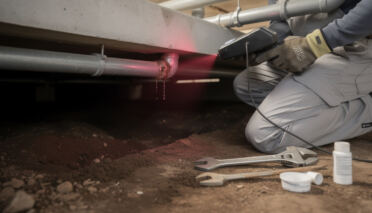
Not all pipe failures are dramatic. Many start as slow corrosion, rust, or tiny pinhole leaks. Maya made it a habit to look at exposed lines for discoloration, flaking, warping, or droplets forming on the outside. She also stopped using pipes as “accidental storage hooks.” It’s surprisingly common for people to hang clothes on basement lines, and that added weight stresses joints over time.
If you see consistent condensation, that can also signal insulation needs or humidity problems. Either way, the plumbing is giving you feedback. Listen early and you won’t be forced into expensive repairs later.
The key insight: good pipe care is preventative, not reactive—handle the environment around the pipes and they behave better.
System Inspection Strategy: When DIY Stops and Pros Start Paying Off
There’s a sweet spot between “I handle everything myself” and “I call a plumber for a dripping faucet.” Efficient plumbing lives in that middle zone: DIY for simple routines, professional help for anything that risks water damage, safety, or hidden complexity. Maya’s rule is pretty clear: if the problem is behind a wall, under a slab, or involves the main line, she stops guessing.
A professional system inspection can spot things you won’t: hidden leaks, failing regulators, early signs of sewer line trouble, and water heater issues that are about to get expensive. Camera inspections, leak detection tools, and experience matter here. It’s not about fear—it’s about not turning a manageable issue into a renovation.
Water heater upkeep as part of efficient plumbing
Your water heater is doing heavy lifting every day. Over time, sediment can build up in the tank, reducing efficiency and making the unit work harder. Maya schedules an annual flush (or has it done) because it keeps performance steady and can extend service life. She also keeps the thermostat around 120°F, balancing comfort, energy use, and safety.
Signs your water heater needs attention include rusty water, popping noises, water around the base, or inconsistent hot water. That’s not a “wait and see” situation, because failure often means water on the floor.
A quick “maintenance vs repair” cost reality check
In many markets, routine maintenance across a year might land around a couple hundred dollars if you include a professional visit. A burst pipe repair plus water damage can jump into the thousands fast, especially if flooring or drywall gets involved. Maya doesn’t love paying for inspections, but she likes surprise floods even less.
| Item 🧰 | What you do ✅ | Why it helps 💡 | Typical “uh-oh” if ignored ⚠️ |
|---|---|---|---|
| Leak checks 💧 | Inspect under sinks, around toilets, appliances | Boosts leak prevention and reduces water waste | Hidden moisture, mold, damaged cabinets |
| Drain habits 🧼 | Use strainers; avoid grease; monthly gentle rinse | Supports drain cleaning without harsh chemicals | Recurring clogs and messy backups |
| Pressure check 🚿 | Test PSI; fix high pressure with PRV | Protects fittings and appliances via stable water pressure | Premature leaks, hose failures |
| Cold-weather prep 🧊 | Add pipe insulation; drain outdoor lines | Reduces freeze risk and improves hot-water efficiency | Frozen/burst pipes and big water damage |
| Pro inspection 🔎 | Periodic system inspection, especially older homes | Finds hidden failures early; smarter repairs | Emergency calls, bigger repair scope |
Knowing when to call a plumber (without waiting for disaster)
Call for help when you have: repeated clogs in multiple fixtures, sudden drops in water pressure, signs of leaks you can’t locate, water stains on ceilings, or any pipe that’s visibly corroded. And if a toilet overflows or a supply line bursts, shut the water off first—then call. That one move can be the difference between a mop-up and a full rebuild.
The final insight for this section: smart homeowners don’t do everything themselves—they make good calls at the right time, and that’s peak efficient plumbing.
How often should I do plumbing maintenance at home?
Do quick visual checks (under sinks, around toilets, appliance connections) every couple of weeks, and do slightly deeper tasks—like checking water pressure and cleaning stoppers—every few months. For older homes or recurring issues, schedule a professional system inspection about once a year.
What’s the safest way to handle a slow drain without chemicals?
Start with mechanical cleanup: remove and wash the stopper, pull out hair/debris, then flush with hot water. If it’s still slow, try baking soda followed by vinegar, then rinse. If the drain keeps slowing down, it may need snaking or professional clog removal deeper in the line.
What water pressure is considered healthy for most homes?
Many homes run best around 40–50 psi. Consistently high pressure puts extra stress on joints, valves, and appliance hoses, increasing leak risk. If your reading is high, a plumber can install or replace a pressure regulator (PRV).
Do I really need pipe insulation if I don’t live somewhere very cold?
Yes, especially if pipes run through unheated spaces like attics, crawlspaces, garages, or exterior walls. In milder climates, homes are often less protected, so a sudden cold snap can still freeze pipes. Pipe insulation is a low-cost way to reduce that risk and improve efficiency.
What are the biggest “don’ts” for toilets and garbage disposals?
For toilets: only human waste and toilet paper—skip wipes (even “flushable”), paper towels, tissues, hygiene products, and diapers. For disposals: avoid grease/oil, coffee grounds, pasta/rice, fibrous vegetables, and large hard scraps. These habits prevent clogs and protect your plumbing system.