Starting your day with a lackluster shower can really put a damper on your morning routine. There’s nothing quite like stepping into a shower expecting a rejuvenating burst of water, only to be met with a dribble. Many households grapple with the same frustrating issue: low water pressure in their showerheads. Over time, mineral buildup, clogs, or even older plumbing can lead to this disheartening situation. But guess what? Improving your shower pressure is often a doable DIY project, saving you from the hassle of a plumber’s visit.
Understanding the Importance of Water Pressure💧
Water pressure is the force that pushes water throughout your home’s plumbing system. It affects everything from how well your toilet flushes to how vigorously your shower sprays. Ideally, you want water pressure enough to make your shower enjoyable, while not being so intense that it causes damage to your plumbing. If you’ve noticed a sudden or gradual drop in your shower’s pressure, it’s essential to investigate.
- Low pressure can lead to unsatisfactory shower experiences.
- It’s often fixable through simple troubleshooting.
- Understanding the pressure dynamics helps prevent future issues.
Identifying your shower’s water pressure is crucial. If you’re experiencing issues only in your shower, it may not be a whole-house plumbing problem; instead, you might be dealing with localized issues. Let’s dive into how to diagnose these problems effectively.
Identifying Low Water Pressure in Your Shower
Wondering how to check if your shower is truly suffering from low pressure? It’s easier than you might think! Here are two common methods that can help you determine if your shower’s pressure is up to snuff:
1. Using a Water Pressure Gauge🧰
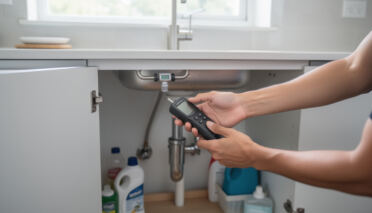
A water pressure gauge is a handy tool that can help you measure the pressure in your shower. You can find one at any hardware store. By attaching the gauge to your shower’s faucet, you can read the pressure in pounds per square inch (PSI). Ideally, your water pressure should fall between 40-60 PSI.
2. The Bucket Method🪣
If you don’t have a pressure gauge handy, no problem! Simply turn on your shower to its maximum setting and use a 5-gallon bucket. Time how long it takes to fill the bucket. This will give you a rough estimate of your shower’s flow rate (gallons per minute—GPM). For comparison:
| GPM | Description |
|---|---|
| 1.5 GPM | Low-flow showerhead standard |
| 2 GPM | Typical functioning shower |
| 2.5 GPM | Legal maximum in the U.S. |
Whether using a gauge or the bucket method, always look out for inconsistencies in pressure or flow. Irregularities may signal a deeper plumbing issue. Now, let’s explore some common causes of low water pressure in your shower.

Common Causes of Low Shower Water Pressure
There are several factors that could shrink your rain-like experience to a mere sprinkle. Understanding these can help you tackle the problem head-on. Let’s take a closer look at some frequent culprits:
1. Aging Plumbing Systems🏚️
Homes with older plumbing systems are more prone to low water pressure issues. These outdated systems often struggle to maintain the required pressure for modern high-flow showers. For example, if your home was built a few decades ago, it might still be relying on old pipes that weren’t designed for today’s usage. This often leads to:
- Drastic pressure drops on upper floors.
- Inconsistent water flow across different fixtures.
- Recurring maintenance issues requiring attention.
2. Clogged Showerheads🛁
A buildup of minerals often clogs showerheads, preventing water from flowing smoothly. Hard water can lead to pesky deposits that restrict flow over time. If you notice your shower’s pressure drastically reducing, start by inspecting the showerhead for any blockages. A simple cleaning process might revive its output significantly.
3. Valve and Pipe Issues🔧
Both the valves and pipes that supply water to your shower can contribute to low pressure scenarios. Valves may become partially closed during repairs or stay that way due to user error. Inspecting and ensuring all valves are fully open can solve this issue swiftly. On the other hand, if pipe sizes are inadequate for the demand, you might require plumbing upgrades.
4. Pressure Reducing Valve Problems⚙️
Your home may have a pressure-reducing valve (PRV) installed. While this is helpful, PRVs can fail over time. If they malfunction, they may lower your overall water pressure excessively. Checking the PRV with a gauge (as mentioned earlier) can provide insights into its functionality.
Effective Solutions for Low Shower Water Pressure
Now that we’ve looked at some common issues, let’s explore effective solutions to boost your shower pressure. Depending on your findings, the resolution can be as simple as cleaning out a filter or might require more serious plumbing work.
1. Clean Your Shower Head🧼
Start by removing your showerhead and soaking it in a mixture of white vinegar and water. This will help eliminate mineral buildup. Reinstall the showerhead after cleaning, and you might be amazed at the improvement!
2. Upgrade the Shower Head💡
If cleaning doesn’t do the trick, it could be time for a replacement. Opt for a model known for high performance, like those from brands such as Moen, Kohler, or Delta. Look for showerheads with larger outlet holes or adjustable settings to enhance the flow and experience.
3. Check Valves🔍
If you suspect that the valves might be causing the problem, double-check their positioning. Ensure that all valves within your plumbing system are fully opened and functioning correctly. Sometimes, this oversight can lead to minimal water flow.
4. Call in a Professional📞
If these solutions yield no improvements, you may need to consult a licensed plumber. They can diagnose complex issues like blockages in the main supply line or systemic leaks that might be impacting your shower pressure. Don’t hesitate to get expert help when the task overwhelms you.
| Solution | Description | Expected Outcome |
|---|---|---|
| Cleaning Shower Head | Soak in vinegar to clear mineral buildup | Improved flow rate |
| Upgrade | Replace with a high-performance showerhead | Stronger pressure |
| Valve Check | Ensure all valves are fully open | Increased flow |
| Consult a Plumber | Get professional diagnosis and repairs | Restored functionality |

Addressing Specific Issues for Low Pressure
If you’ve pinpointed that your water pressure issue is localized to just the shower, here are some specialized solutions tailored just for those situations:
1. Leaking Pipes💦
Inspect the pipes leading to your shower. If there’s a continual loss of pressure, it could be due to leaks. Engage professionals to fix these promptly to avoid further water wastage!
2. Recognize Municipal Outlet Problems🏙️
Sometimes low pressure stems from your local municipal water supply. If others in your area report similar issues, consider contacting your water provider to see if there’s an external cause for concern. If difficulties persist, it may lead you to installing a private pressure tank for maintaining your desired pressure.
3. Location of Shower Head🌆
If your showerhead is exceptionally high above the shower faucet, consider lowering it for better pressure. The added height can lead to reduced force, particularly with older plumbing systems. Adjusting the height can lead to substantial improvements.
What can I do if the pressure is low only in my shower?
Check for clogs or mineral buildup in the showerhead. If the problem persists, ensure all connecting valves are fully open.
How do I safely clean my showerhead?
Soak your showerhead in a vinegar solution for a few hours, then scrub with a soft brush to remove debris.
Is it worth it to upgrade my showerhead?
Absolutely! An upgraded showerhead can significantly enhance your shower experience and may actually save water in the long run.
How can I tell if the pressure-reducing valve needs replacement?
If you notice consistent low pressure throughout your house, it might be time to replace your PRV.