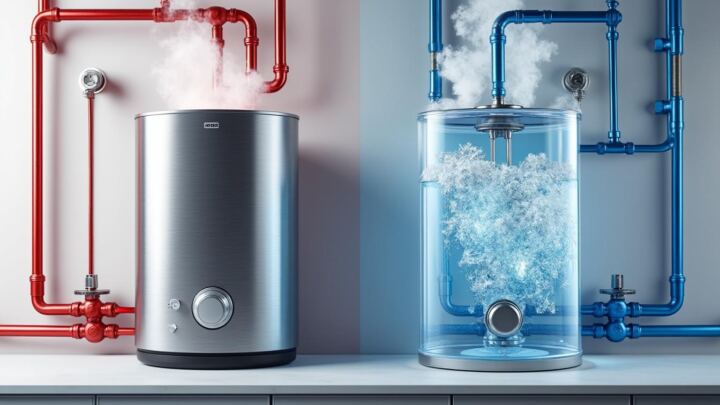
Understanding the differences between hot and cold water systems is essential for homeowners, builders, and anyone involved in plumbing. Each system operates differently and serves unique purposes, whether it’s for bathing, cooking, or heating. Hot water systems are often more complex, requiring careful attention to materials and installation methods to ensure efficiency and safety. On the other hand, cold water systems are generally simpler, but also require proper design to prevent issues such as contamination or inadequate pressure. Whether you’re renovating your home or planning a new build, grasping these distinctions can make all the difference in achieving optimal functionality.
Brief
- 🚰 Hot and cold water systems encompass various plumbing technologies for residential and commercial use.
- 🌡️ Understanding the operational differences helps in selecting materials and installation techniques.
- ⚙️ Both systems have distinct requirements, from pipe materials to pressure considerations.
- 🛠️ Hot water systems often need special considerations like insulation and temperature management.
- 💧 Cold water systems focus on maintaining flow and preventing contamination.
The Basics of Hot Water Systems: What You Need to Know
To kick things off, let’s dive into the world of hot water systems. Typically, these systems are designed to heat water efficiently and distribute it throughout your home or building for a variety of purposes. From showers to washing dishes, hot water is an essential commodity in modern living.
Components of a Hot Water System
- 🔥 Water Heater: The heart of the system. Common types include tankless models from brands like Rheem and AO Smith, which heat water on demand, ensuring your supply never runs out.
- 🌊 Piping: Hot water pipes must be thicker and more durable due to the elevated temperatures they handle. Brands like Bradford White are renowned for manufacturing high-quality piping suited for this.
- 💧 Temperature Controls: Thermostats and pressure relief valves ensure that the system operates safely and efficiently, preventing overheating and potential hazards.
Understanding these components will help you imagine how they work together. For instance, when you turn on your tap, cold water is replaced by hot water flowing from your heater through well-insulated pipes. This design minimizes heat loss, further enhancing efficiency.
Common Applications
Hot water systems are critical in various applications:
- 🏠 Residential uses like showers, dishwashing, and laundry.
- 🍽️ Commercial kitchens in restaurants where hot water is essential for sanitation.
- 🏭 Industrial operations requiring steam for processes or equipment.

Understanding Cold Water Systems: Essential Insights
Cold water systems, on the other hand, are mainly focused on providing water that is safe for drinking and other non-heating-related activities. Ensuring the quality of cold water is just as vital as managing hot water effectively.
Core Components of Cold Water Systems
- 💧 Main Supply Line: This is the lifeline of your plumbing, supplying cold water from municipal sources or a well. Typically, it is made from materials such as PVC or PPR.
- 🔄 Piping: Cold water pipes are usually thinner than hot water pipes and are made from materials that prevent leaks and don’t corrode easily.
- ⏬ Water Meters: These devices measure how much water you consume, allowing for accurate billing. This is particularly important for property owners.
Typical Uses of Cold Water Systems
The applications of cold water systems frequently include:
- 🚿 Supplying water to bathrooms and kitchens for daily activities like washing hands and cooking.
- 🏘️ Providing water for irrigation in gardens and landscaping.
- 🛁 Feeding appliances like refrigerators with built-in water dispensers.

Key Differences Between Hot and Cold Water Systems
While both systems serve to deliver water, they embody several fundamental differences in their design and functionality. These variations are pivotal in selecting the appropriate system for your needs.
| Aspect | Hot Water Systems | Cold Water Systems |
|---|---|---|
| Temperature Range | Up to 90°C (194°F) | Typically below 30°C (86°F) |
| Pipe Thickness | Thicker, heat-resistant | Thinner, corrosion-resistant |
| Components | Water heaters, pressure valves | Supply lines, water meters |
| Applications | Bathing, cooking, industrial | Drinking, irrigation, appliances |
Recognizing these distinctions can significantly impact your choices, whether you’re renovating an existing system or planning a new installation.
Choosing the Right System for Your Needs
When it comes to installing hot and cold water systems, making the right choice involves several considerations. Both systems should ideally work in unison to provide comfort and functionality. However, improper selection can lead to costly repairs and inefficiencies later on.
Factors to Consider
- ⚙️ Local Climate: Depending on where you live, you may need a more robust hot water system due to colder winters. Conversely, hot climates might require more efficient cooling and water conservation systems.
- 👷 Building Codes: Always consult local regulations regarding plumbing, as they dictate material choices and installation practices. Compliance can save you from future headaches.
- 🛒 Budget: Weigh your options against your budget. Hot water systems often require higher initial investment but pay off in energy savings over time.
- 🕒 System Longevity: Choose systems with proven durability. Brands like Noritz and Bosch offer reliable warranties and maintenance support.
Making an informed choice will prepare you for countless years of trouble-free water access.
Frequently Asked Questions
What is the lifespan of hot water heaters?
Typically, hot water heaters can last anywhere from 8 to 12 years, depending on maintenance and use.
How can I maintain my cold water system?
Regularly check for leaks, replace worn-out parts, and clean filters to ensure optimal flow.
What are the energy consumption differences between hot and cold water systems?
Hot water systems generally consume more energy due to heating requirements, while cold water systems primarily use energy for pumping.
Is there a specific brand recommended for hot water systems?
Brands like Rheem, GE Appliances, and Navien are well-known for their efficiency and reliability.
Can I use the same pipes for hot and cold water systems?
It is generally not advisable due to the different materials and pressure ratings; using the correct type ensures safety and efficiency.