Unpleasant odors from bathroom drains can really be a nuisance, impacting not only the comfort of your home but also potentially indicating underlying plumbing issues. It’s essential to recognize the common causes of these smells and how you can effectively address them. Understanding the source of the problem can help avoid further complications and maintain a fresh environment in your bathroom. Let’s dive deep into the world of smelly bathroom drains!
Brief
- 🔍 Discover the major causes of unpleasant odors from bathroom drains.
- 🧼 Learn effective solutions to tackle these stink problems.
- 🚫 Prevent recurring smells through maintenance tips and tricks.
- 🚰 Understand the signs indicating plumbing issues beyond just smells.
Identifying the Causes of Bad Smells in Bathroom Drains
Unpleasant odors from bathroom drains can stem from various sources. Commonly, they arise from a buildup of organic debris. When hair, soap scum, and other materials mix with moisture, they create a sticky biofilm that can harbor odor-causing bacteria. This is just the tip of the iceberg when it comes to understanding drain smells. So, what are the primary culprits?
Organic Material & Odor-Causing Bacteria
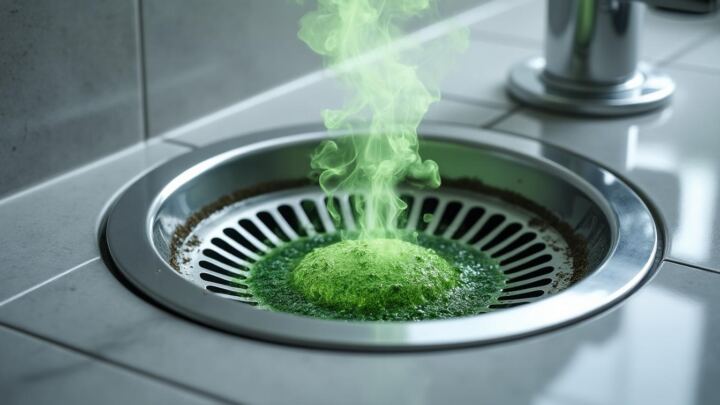
One of the leading causes of unpleasant smells is indeed the accumulation of organic material. This includes hair, soap residue, and food particles that get washed down the drain. Over time, these substances break down, fostering a breeding ground for bacteria. Certain bacteria thrive in these conditions, particularly in stagnant water that remains trapped in the pipes. This results in foul smells wafting up from the drain.
- 🦠 Bacteria thrive in warm, moist environments causing bad odors.
- 💧 Organic materials promote the growth of biofilm—a slippery layer that leads to smells.
- 🔄 Flushing with hot water and vinegar can help clear these buildups.
A notable exemplar of this issue is the presence of pink bacteria, which can leave stains and can often be seen in bathroom sinks. These bacteria are generally harmless, but when their growth gets out of control, they can result in unpleasant odors that permeate the air.
Clogged Drains as a Cause of Odors
Along with organic buildup, clogged drains are another significant factor. Debris accumulation in sink traps or pipes can hinder the normal flow of water. Consequently, water starts to stagnate, providing an ideal breeding ground for bacteria and leading to unpleasant odors.
- 🛑 Slow-draining sinks are a telltale sign of clogs.
- 🔍 Regular maintenance checks can prevent serious blockage.
- 🧽 Use natural or enzymatic cleaners to keep drains clear.
If you find that your sink is draining slower than usual, it may be a sign that a clog is forming further down the line. Addressing this early can help avoid more significant plumbing issues down the road.
Sewer Gas and Its Implications
An often overlooked yet critical cause of odors in bathroom sinks is the escape of sewer gas. Produced from the decomposition of organic matter in your sewer system, sewer gas contains harmful components like methane and sulfur dioxide. It can make its way back through the drain if water in the U-shaped pipe (known as the P-trap) evaporates, allowing harmful gases to permeate your space.
- 💨 Sewer gases can cause serious health issues if inhaled.
- 🌀 The P-trap must be maintained to prevent gas escape.
- 📆 Regular checks of unused bathrooms can prevent P-trap evaporation.
If you’ve recently cleaned your sink and still catch a whiff of sewer gas, the initial culprit is very likely your P-trap. Make sure it is filled with water to maintain the seal that prevents sewer gases from escaping into your bathroom!

Effective Solutions for Smelly Bathroom Drains
Now that we’ve tackled the causes, let’s focus on effective solutions that can rid your bathroom drains of unwanted odors. Homeowners can utilize several DIY methods to address these issues without calling in a plumber.
Clearing Bacterial Build-Up
If the smell in your bathroom sink is due to odor-causing bacteria, a simple cleaning method may be all you need. Here’s how to do it:
- 👩🍳 Boil a pot of water and pour it down the drain to loosen any debris.
- 🧂 Add 1/2 cup of baking soda and follow it up with 1 cup of vinegar.
- ⏳ Let it sit for about 30 minutes, then flush the drain with hot water.
By utilizing everyday household items like vinegar and baking soda, you can effectively eliminate bacteria and organic build-up. For tougher clogs, consider using enzyme-based cleaners, such as DrainFresh or AromaClean, which specifically target odor-causing organic matter.
Addressing Clogged Drains
To tackle clogs, it’s vital to address them swiftly to prevent any further odor issues. Here are some steps you can take:
- 🚰 Consider using a plunger to dislodge any visible clogs at the surface first.
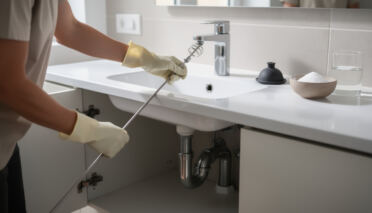
- 🔧 Utilize a clog removal tool to reach farther down into the pipes.
- 🛠️ Disassemble the sink trap if necessary; ensure you catch the water in a bucket as you work.
The quicker you act on a clog, the less likely you’ll have to deal with odors or more severe plumbing issues.
Preventing Sewer Gas Smells
To effectively prevent sewer gas smells, maintaining a proper water level in the P-trap is essential. If you have a bathroom that isn’t used often, make it a practice to occasionally run water through the sink to replenish the P-trap water. Here are some additional steps:
- 💧 Regularly check all bathroom fixtures to confirm they’re in working order.
- 🛁 Consider adding a few drops of mineral oil to the P-trap to slow down water evaporation.
- 📞 If you’re experiencing persistent sewer gas odors, a plumber may need to evaluate ventilation issues.
By maintaining vigilance and following these steps, you can ensure your bathroom remains odor-free.
When to Call a Professional
While DIY tactics can effectively handle quite a few stinky bathroom drain issues, there are situations when it’s best to call a professional plumbing service. Recognizing when you need more help can save you time, effort, and potentially prevent larger plumbing disasters down the line!
Signs That Indicate Professional Help is Needed
Even the most dedicated homeowners can run into situations that are just beyond their scope. Here are a few signs that it might be time to call in a plumber:
- 🔧 Unexplained recurring odors can indicate deeper plumbing issues.
- 🚰 If multiple drains in your home are smelling bad, you could have a major sewer line issue.
- ⚠️ Constant slow drainage might require professional assessment to explore potential hidden blockages.
Additionally, if you encounter problems that persist despite your best DIY efforts, reaching out to a local plumbing expert can save you a great deal of hassle.
Maintenance Tips for Odor-Free Bathroom Drains
Prevention is critical when it comes to maintaining odor-free bathroom drains. Employing a few simple habits can help you avoid unpleasant smells from developing.
Routine Cleaning and Care
To keep your bathroom drains in tip-top shape, regular cleaning should be part of your routine. Here’s a list of best practices:
- 🧴 Clean drains with baking soda and vinegar monthly to remove buildup.
- 🧽 Use a drain strainer to catch hair and debris before it enters pipes.
- 👃 Check your bathroom for any signs of mold or mildew that may be contributing to odors.
Scheduling Professional Inspections
Another key to maintaining a healthy plumbing system is to schedule the occasional professional inspection to uncover any potential issues before they become significant problems:
- 🔍 Have plumbing inspections performed annually to ensure all systems are functioning effectively.
- ✅ Invest in regular maintenance for appliances that utilize plumbing, such as water heaters.
- 📅 Address any plumbing issues as soon as they arise to prevent further complications.
By following these maintenance tips and staying proactive about plumbing care, you’ll not only enjoy an odor-free bathroom but also potentially avoid costly repairs down the road.
Why does my bathroom sink drain smell like sewage?
The smell is likely caused by a dry P-trap, allowing sewer gas to escape through the drain. Ensure your P-trap has enough water to keep sewer gases contained.
How can I naturally get rid of smelly drains?
Try flushing the drain with a mixture of vinegar and baking soda, followed by boiling water to clear the buildup.
What is the purpose of a P-trap?
The P-trap holds water to prevent sewer gas from entering your home through the drainage system.
How often should I clean my bathroom drains?
Aim for a monthly cleaning with natural solutions to prevent bacteria and buildup from forming.
What are signs my plumbing needs professional attention?
Constant odors, slow drains, or issues persisting despite DIY efforts should lead you to seek a plumber’s advice.