Low water pressure in the shower can completely ruin your bathing experience. You’ve probably encountered the dreaded moment when the flow diminishes to a frustrating dribble or just barely sprays. It’s annoying, right? Many homeowners, like Mark, find themselves scratching their heads wondering about the reasons behind such a common yet perplexing issue. Is it aging plumbing, a minor clog, or is the municipal supply weak? Luckily, figuring it out doesn’t have to be an uphill battle. This guide will shed light on the likely culprits causing low water pressure in your shower, while also offering practical solutions to regain your refreshing shower bliss.
Brief
- Identify the culprits affecting low water pressure in showers.
- Understanding the relationship between water flow and pressure.
- Explore various methods to improve shower pressure.
- Cost associated with fixing low water pressure issues.
- When to seek professional plumbing assistance.
Understanding the Root Causes of Low Water Pressure in Showers
When the water pressure in your shower suddenly drops, it can lead to frustration. Recognizing the reasons behind this phenomenon is paramount. Let’s explore the main causes together.
Local Water Supply Issues
Sometimes, the problem lies outside your home. Municipal water supply pressure can fluctuate due to various factors, like an increase in demand, maintenance work, or seasonal changes. For instance, during the summer, water demand surges for landscaping, which may lead to decreased pressure in residential areas. Not all municipalities provide the same water pressure; depending on your elevation and distance from the water station, you could be a victim of low pressure.
Plumbing Buildup and Corrosion
The older the plumbing, the more wear and tear it might show. Pipes, especially those made of galvanized steel or older materials, can corrode over time. This corrosion results in mineral buildup that narrows the pipes, restricting the flow of water. For instance, homes built before the late 1980s often have narrower piping systems that struggle to maintain adequate pressure, leading to disappointing shower experiences.
Clogged Shower Heads
Untreated water can lead to mineral deposits inside your showerhead. If your area has hard water, this becomes more apparent. When calcium and magnesium build up over time, the spray holes can become clogged, leading to reduced water flow. Sometimes you might see visible white spots on the showerhead, which indicate buildup, but it can be worse inside, where you cannot see it.
Flow Restrictors and Showerhead Design
Did you know that many modern showerheads come equipped with flow restrictors to conserve water? While they’re great for saving your water bill, they can sometimes be overly restrictive. If you’ve replaced your showerhead recently and noticed the pressure drop, it’s possible that the new model has a lower flow rate than your previous one. Therefore, check the flow rate; if it’s under 2.0 gallons per minute, you might want to consider options with less restriction.
Pressure Regulator Issues
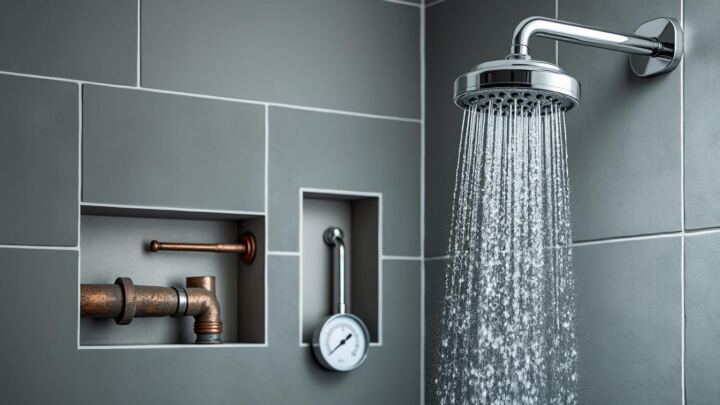
A pressure regulator, located on the main water supply line, controls the incoming water pressure. If your regulator is faulty, it can lead to pressure issues throughout your home. It’s important to inspect this component; if necessary, it might need adjustments or replacement. A malfunctioning regulator may significantly reduce the performance of your plumbing system, creating weak water pressure at the shower head.
| Cause of Low Pressure | Description |
|---|---|
| Local Water Supply Issues | Fluctuations due to demand or maintenance work in the municipality. |
| Plumbing Buildup and Corrosion | Old, corroded pipes limiting water flow. |
| Clogged Shower Heads | Mineral buildup affecting water flow through the showerhead. |
| Flow Restrictors | Regulations for water conservation impacting pressure. |
| Pressure Regulator Problems | Malfunctions leading to inconsistent water pressure across the system. |
Demystifying Water Flow vs. Water Pressure
Understanding water pressure and flow is essential for troubleshooting low shower performance. While these terms are often used interchangeably, they highlight different aspects of your plumbing system.
Water Flow Explained
Water flow refers to how much water moves through your pipes, typically measured in gallons per minute (gpm). High water flow equals a robust stream from your showerhead, while low flow results in a weak trickle. Interestingly, achieving the best shower experience often depends on both pressure and flow working together.
Water Pressure Explained
In contrast, water pressure is the force of the water moving through the plumbing system, measured in pounds per square inch (psi). You might have excellent flow but lack sufficient pressure, leading to a dribble when using your shower. For a good, relaxing shower, maintaining a minimum of 50 to 60 psi is crucial.
The Connection Between Flow and Pressure
It’s important to recognize that you can’t have high water pressure without sufficient flow. If you have lowered pressure but normal flow throughout your home, the problem likely lies within the shower system itself. Sometimes, an obstruction like a clog or malfunctioning component can be at fault.
| Measurement Type | Meaning |
|---|---|
| Water Flow (gpm) | The volume of water flowing through the pipes. |
| Water Pressure (psi) | The force that pushes water through plumbing. |
Practical Ways to Boost Water Pressure in Your Shower
Ready to take action? Whether you’re frustrated with a weak shower stream or simply want to boost your bathing experience, there are various methods to enhance water pressure. Let’s dive into some practical tips!
Quick Fixes for Immediate Impact
- Clean Your Showerhead: A buildup of minerals can block the spray holes, reducing pressure. Soak the showerhead in a solution of equal parts white vinegar and water overnight to dissolve the buildup. 🧴
- Remove Flow Restrictors: If you’ve got a flow restrictor in your modern showerhead that you feel is too limiting, consider removing it. This will increase the water flow. Just be aware of local water regulations to avoid fines. 🔧
- Install a High-Pressure Showerhead: Models like those from Moen or Delta are designed to enhance the feeling of pressure without using more water. 🚿
Advanced Solutions for Persistent Issues
- Repair Leaks: Inspect your plumbing for hidden leaks. Small leaks can divert water and impact your pressure. Look around valves and pipes for signs of corrosion. 🕳️
- Upgrade Plumbing Fixtures: If you have old pipes made of galvanized steel, upgrading to modern materials can go a long way. This reduces corrosion-related issues and improves water flow. 🆕
- Install a Pressure Booster Pump: If the municipal supply is consistently weak, consider installing a pressure booster pump to increase the pressure within your home. 📈
| Method | Time Required |
|---|---|
| Clean Showerhead | 1 hour (soaking time) |
| Remove Flow Restrictors | 15-30 minutes |
| Install a High-Pressure Showerhead | 30 minutes |
| Repair Leaks | Varies by severity |
| Upgrade Plumbing Fixtures | Several hours or more |
| Install a Pressure Booster Pump | 1-2 hours |
Cost Considerations for Water Pressure Solutions
Getting back to solid water pressure often involves a financial investment. While some quick fixes can be low-cost or free, other solutions may require professional help. Understanding potential costs is vital in decision-making.
Types of Fixes and Budgeting
- DIY Quick Fixes: Cleaning a showerhead entails minimal costs. You might just need vinegar and some time. 💡
- Plumbing Services: Hiring professionals to inspect or adjust plumbing components typically ranges from $150 to $300, depending on complexity and area. 🛠️
- Booster Pump Installation: Costs can reach $1,200 to $1,500 for purchasing and installing a pump, making it a more significant investment for constant pressure. 💸
Taking the Plunge: Worth the Investment?
In the long run, investing in plumbing upgrades can save headaches, future costs related to leaks, and of course, enhance your shower experience. Whether it’s improving the material of your pipes or installing a new shower fixture like a Kohler model, these improvements can pay off.
| Service | Estimated Cost |
|---|---|
| DIY Showerhead Cleaning | Under $5 |
| Professional Plumbing Inspection | $150 – $300 |
| Booster Pump Installation | $1,200 – $1,500 |
Knowing When to Call in the Pros
Sometimes, no matter how much you try, DIY solutions might not address the source of the problem. Knowing when to seek professional help is crucial.
- Persistent Low Pressure: If your shower remains weak despite all efforts, it’s time to call a plumber for a thorough inspection. 🚨
- Hidden Leaks: If your water bill suddenly spikes while you can’t see any visible leaks, a professional can conduct tests to find clogs in the system. 🔍
- Municipal Supply Problems: If your neighbors report similar issues, it’s worth checking with your local water authority. Your plumber may be able to implement fixes effectively. 🔗
| Signs to Call a Plumber | Importance |
|---|---|
| Chronic Low Pressure | Can signify serious plumbing issues or hidden leaks that need professional diagnosis. |
| Spike in Water Bill | Indicates possible leaks further down the line, leading to wasted water and increased costs. |
| Neighborhood Complaints | May highlight wider municipal issues that require coordinated efforts from your local supply. |
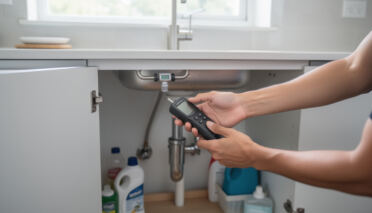
How can I measure my home’s water pressure?
You can use a pressure gauge attached to a garden hose or faucet. Ideal residential pressure ranges from 50-60 psi.
What should I do if my shower pressure is low compared to other fixtures?
If the pressure is fine elsewhere, check for clogs in your showerhead or valves. Sometimes it requires simply cleaning them.
Is it worth investing in a pressure booster?
If municipal supply is consistently weak, investing in a booster can significantly enhance pressure in your home.
When is it necessary to replace my plumbing?
If your home is over 30 years old and using outdated materials, consider replacing the plumbing to prevent long-term issues.
Can water softeners affect shower pressure?
A properly sized and maintained water softener shouldn’t significantly affect pressure, but check installations if problems arise.