When it comes to home ownership in the UK, dealing with plumbing issues is just part of the game. From elusive leaks to unforgiving blockages, knowing what to look for can save a homeowner from both headaches and hefty repair bills. Whether you’re in an older home with pipes that have seen better days or a new build with all the latest fixtures, plumbing problems can and do happen. In this article, we’ll explore the most common plumbing issues that UK homeowners face and provide practical advice to mitigate these messes before they spiral into major disasters.
Brief
- Leaking taps can waste water and drive up bills if ignored.
- Blocked drains are often caused by hair, food, and grease.
- Low water pressure can lead to unsatisfactory showers and taps.
- Running toilets waste significant amounts of water daily.
- Boiler issues can disrupt heating and hot water supply.
Leaking Taps: A Common but Costly Irritation
One of the most common plumbing issues encountered is a leaking tap. While a dripping faucet may seem like a minor annoyance, it can lead to significant water waste over time—potentially filling a bathtub with wasted water in a year. The most common culprits for leaks are usually worn-out washers or O-rings. Luckily, these parts are easy to replace and require minimal tools. However, neglecting that small drip can lead to bigger plumbing headaches, including damaged pipes or increased water bills.
To understand the impact of a leaking tap, consider the following statistics
| Leakage Rate (litres per day) | Annual Water Waste (cubic metres) | Approximate Cost (£) |
|---|---|---|
| 1 | 365 | 1.03 |
| 5 | 1825 | 5.03 |
| 10 | 3650 | 10.06 |
With that in mind, prevention is key. Here’s how you can tackle leaking taps:
- 💧 Check for wear and tear on washers regularly.
- 🛠️ Replace faulty parts immediately to avoid escalation.
- 🔥 Consider upgrading to ceramic disc taps to reduce leakage.
Next Steps After Fixing the Leak
Once you’ve fixed your leaking tap, it’s important to be mindful of your overall plumbing health. Regular checks can save time and money. Utilize a plumbers’ inspection once a year to look for potential issues. Keeping an eye on your valves and seals can prevent leaks before they happen and contribute to a less stressful home environment.

Blocked Drains: Understanding the Build-up
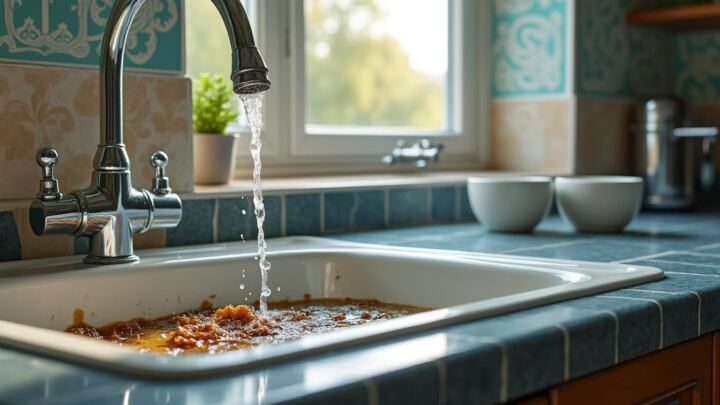
Blocked drains are another frequent plumbing problem that many homeowners encounter. Whether in the bathroom or kitchen, clogged drains can occur thanks to a build-up of everyday debris like hair, soap scum, grease, and food particles. If left unchecked, not only do these blockages lead to foul smells and pooling water, but they can also cause severe damage to your plumbing system.
The best way to prevent blocked drains is to stay ahead of the build-up. Here are some proactive measures you can take:
- 🚫 Use drain covers to catch hair and food particles.
- 🍽️ Never pour grease or oils down the sink; opt for solid waste disposal instead.
- 🔥 Regularly treat your plugs with boiling water and baking soda to keep drain flow optimal.
How to Handle a Blocked Drain
If you find your drain has already clogged, here are some DIY fixes:
- 🧰 Start with a plunger to dislodge the blockage.
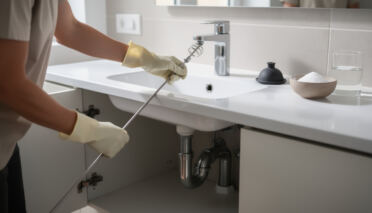
- 🔧 Use a drain snake for more stubborn clogs.
- 💧 For minor clogs, creating a vinegar and baking soda concoction can often clear the passage.
When It’s Time to Call a Plumber
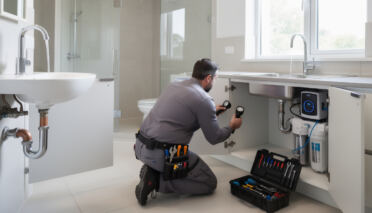
If your DIY efforts don’t yield results after several attempts, or your drains remain sluggish, it’s time to seek help from a professional plumber. They can utilize advanced techniques such as CCTV drain surveys to locate the exact cause of the blockage, which may include tree roots infiltrating pipework.
Low Water Pressure: The Trip-Up in Your Routine
Experiencing low water pressure can be a frustrating hurdle in your daily routine, especially during that much-needed shower or while washing dishes. Low pressure can have various causes, ranging from leaks in the plumbing system to blocked pipes or even issues with the main water supply. It’s wise to solve these problems quickly, as prolonged low pressure could mean sediment build-up in pipes or malfunctioning valves.
Here are the steps to identify low water pressure:
- 💧 Check other taps to ensure the issue isn’t isolated.
- 🔎 Look for visible leaks or damp spots around the house.
- 🛠️ Schedule a plumber’s inspection to verify deeper issues.
Preventing Low Water Pressure
To avoid future occurrences of low water pressure, consider the following prevention measures:
- 👏 Regularly clean or replace aerators on taps to ensure smooth water flow.
- 🔧 Install a pressure-reducing valve if pressure issues persist.
A little vigilance can go a long way in maintaining your plumbing system’s integrity. Don’t hesitate to keep a qualified plumber’s contact handy for those unexpected emergencies!

Running Toilets: A Hidden Water Waste
One major issue that often goes unnoticed is a running toilet, which can waste hundreds of litres of water each day. Many homeowners don’t realize this silent drain on resources until their water bill spikes unexpectedly. The usual culprits behind a running toilet include a faulty flapper valve or a misadjusted float. Considering that a constantly running toilet can produce the same ecologically damaging effects as a leaky tap, immediate action is necessary.
Here’s how you can check and rectify a running toilet:
- 🔍 Inspect the flapper valve for deterioration or misalignment.
- ⚓ Adjust the float to allow for proper water levels in the tank.
- 💰 If DIY fixes don’t work, consult a plumber for a speedy resolution.
Long-Term Solutions for Toilets
Occasional maintenance can save you future headaches. For instance, make checking the toilet tank a regular part of your home checklist. Simple adjustments every few months can prevent minor issues from developing into major ones.
Boiler Issues: Staying Warm and Efficient
Last but certainly not least are boiler issues. As one of the most vital components of any home’s plumbing system, a malfunctioning boiler can lead to a cold home and an uncomfortable lifestyle. Common boiler problems can include strange noises, loss of pressure, or complete heating failures. In the long-run, not servicing your boiler regularly can create emergency situations that could result in serious expenses….and nobody wants that!
Here’s how to ensure your boiler runs efficiently:
- 🔑 Schedule annual servicing by a Gas Safe registered engineer.
- ⚙️ Understand the warning signs like unusual sounds or failures to heat water.
- 🌡️ Check the pressure gauge periodically to ensure it stays within recommended limits.
Boiler Safety and Efficiency Tips
Utilizing quality systems such as Worcester Bosch or Ideal Boilers can ensure long-lasting efficiency. Be proactive, and consider installing high-quality boiler safety features like automatic shut-off valves to prevent emergencies. It’s all about keeping peace of mind and comfort in your home!
How can I prevent plumbing issues?
Regular maintenance, inspections, and being mindful of what goes down your drains can prevent many plumbing issues.
What should I do if I have a leak?
First, turn off the water source if possible, then call a plumber to assess and fix the leak.
How often should I service my boiler?
It’s generally recommended to have your boiler serviced annually for optimal performance and safety.
What are some signs of blocked drains?
Common signs include slow draining water, foul smells, or water pooling around sinks or tubs.
Can I fix plumbing issues myself?
Some issues, like changing washers or clearing minor blockages, can be DIY’d, but others require professional help.