Most people only notice plumbing when something goes wrong: a toilet that won’t stop running, a shower that suddenly turns icy, a mysterious stain spreading on the ceiling. But the reality is that the plumbing system is quietly “running” your home every day—deciding whether your family gets clean water, whether your bathrooms stay hygienic, and whether hidden moisture turns into a full-blown indoor air problem. When you zoom out, pipes and drains aren’t just about convenience; they’re part of home safety and day-to-day health in a way that’s easy to underestimate.
Think about it: the same network that delivers drinking water also sits behind walls, under floors, and near electrical wiring. A small leak can become structural rot, moldy drywall, or a slippery floor that sends someone to urgent care. Meanwhile, a drainage issue can shift from “annoying” to “unsafe” fast—especially when sanitation and waste disposal break down. In 2026, with more people working from home and spending more hours indoors, the quality and reliability of residential plumbing matter even more than they used to. The upside? With smart habits, basic pipe maintenance, and quick action, you can prevent a lot of the scary stuff before it starts.
- 🚰 Water quality depends on pipe condition, fixture choices, and preventing cross-contamination.
- 🧼 Good sanitation relies on drainage design, traps, vents, and reliable waste disposal.
- 🛠️ Regular pipe maintenance and leak prevention reduce costs and protect the building structure.
- 🦠 Mold prevention starts with moisture control: tiny leaks and slow seepage are the usual culprits.
- ⚠️ Emergencies (burst pipes, sewer backups) are safety events, not just “repairs.”
- 📟 Modern tech (leak sensors, smart shutoff valves) can cut damage time from hours to minutes.
Plumbing and Home Safety: How Water Systems Quietly Prevent Hazards
Let’s follow a simple storyline: Mia buys a 1980s house that “looks fine.” Two months in, she notices the hallway floor feels slightly springy near the bathroom. No dramatic puddles, no waterfall under the sink—just a vibe. A plumber opens a small access panel and finds a slow leak at a supply line connection. The wood has been wet for weeks. If she’d waited, that soft spot could have turned into a fall risk, and the damp cavity would have become a mold playground. That’s home safety in real life: it’s rarely one big event, it’s usually a chain of small things.
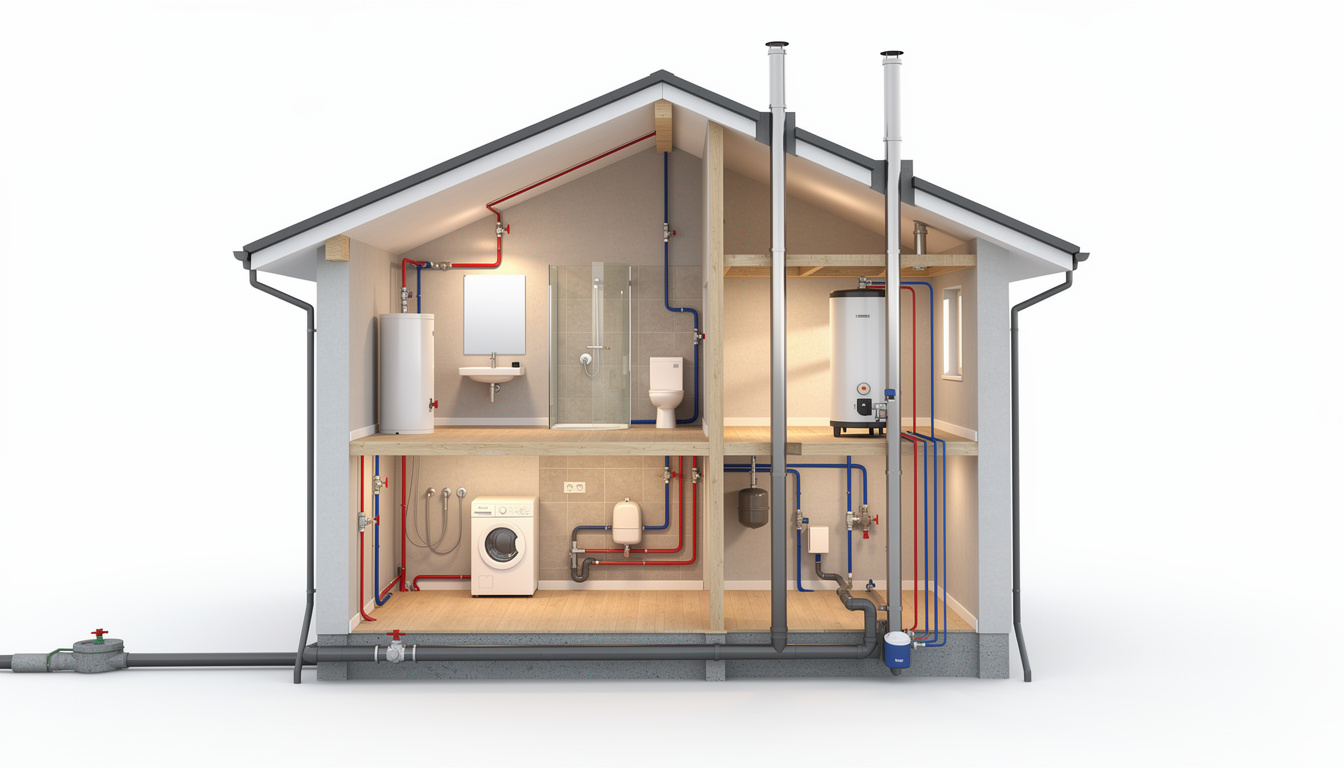
Water and buildings don’t mix well. When leak prevention fails, the obvious risk is damage to floors, drywall, and cabinetry. The less obvious risk is what happens next: moisture creeps into insulation, lingers in wall cavities, and compromises materials that were never meant to stay wet. Once you’ve got hidden dampness, you’re looking at a higher chance of mold, pests, and even electrical issues if water gets near junction boxes or outlets. The plumbing system is basically running through your home’s “critical zones,” so keeping it tight is a safety move, not a luxury.
Where plumbing intersects with slip, shock, and structural risks
Bathrooms, kitchens, laundry rooms, and basements are the usual suspects. A loose toilet base can leak invisibly around the wax ring, soaking subflooring while the bathroom still “seems” clean. A dishwasher hose can drip just enough to rot the cabinet base without ever forming a puddle. A water heater can weep slowly, corroding the pan and eventually spilling into adjacent rooms. These are not glamorous problems, but they’re the kind that turn into bigger hazards—like warped flooring that trips people up or mold that irritates lungs.
And then there’s pressure. When water pressure is too high, it stresses joints, valves, and hoses. That can shorten component life and increase the odds of sudden failure. A simple pressure regulator check is one of those unsexy tasks that pays off because it reduces the “burst-at-2AM” scenario. The safety logic is straightforward: less stress on the system equals fewer surprises.
Gas lines are part of the plumbing conversation
In many homes, plumbers also work on gas lines for water heaters, boilers, and cooktops. A poor connection, aging shutoff valve, or unapproved modification can raise the risk of leaks and fire. If you’ve ever smelled that distinctive odorant in natural gas, you know it’s a “stop everything” moment. Regular professional inspections aren’t about being paranoid—they’re about making sure your home’s hidden infrastructure isn’t quietly becoming unsafe.
The big insight is simple: when plumbing stays healthy, your house stays predictable, and predictability is basically the foundation of safety.
Water Quality and Health: Clean Water Isn’t Just a Given
People love to assume tap water is automatically perfect. In many places, municipal treatment is strong, but water quality at the glass still depends on what happens inside the home. The water might leave the utility plant in great shape and still pick up issues from corroded pipes, failing fittings, or a neglected water heater. The “last mile” of water safety is often your own plumbing network.
Mia’s neighbor, Daniel, learned this the annoying way. He kept getting metallic-tasting water in the morning, especially from the hot side. The fix wasn’t a magic filter; it was servicing the water heater, flushing sediment, and replacing a deteriorated anode rod. Once that was done, the taste improved and the heater ran more efficiently. It’s a good reminder that health-related plumbing issues aren’t always dramatic—sometimes they show up as small changes in taste, odor, or clarity.
Contamination pathways you can actually control
Inside a house, contamination risk usually comes from a few patterns: backflow, corrosion, and stagnation. Backflow is when water flows the wrong way and pulls potentially dirty water into cleaner lines. That’s why backflow prevention devices matter, especially for irrigation systems, certain hose bib setups, or homes with booster pumps. Corrosion is about chemistry and time—old materials can break down, and in the worst cases (like legacy lead components), that’s a major health concern for kids in particular.
Stagnation is sneakier. If a guest bathroom sits unused for months, water sits in pipes, and that can affect taste and freshness. Running taps periodically, especially after travel or long vacancy, is a simple habit that supports clean water delivery. It’s not a cure-all, but it helps keep water moving and reduces “first-draw” funk.
What “routine maintenance” looks like for healthier water
You don’t need a lab in your garage, but you do need a plan. Annual or seasonal checks can catch problems early: a small leak at a shutoff valve, corrosion at a flex connector, or a water heater that’s running too hot (scald risk is real, especially for kids and older adults). If your home is older, testing water periodically can give peace of mind and catch issues before they affect health.
When you tie all this together, you get a practical takeaway: pipe maintenance isn’t just about keeping things working—it’s about keeping what you drink and bathe in as clean as it should be.
If you want a visual walkthrough of common home water issues and fixes, this kind of video search is a solid starting point.
Sanitation and Waste Disposal: The Drainage Side of Health Nobody Brags About
Supply lines get all the attention because they’re about drinking water, but the drainage system is the backbone of sanitation. When drains work, life feels normal. When they don’t, the house becomes stressful fast—bad smells, slow sinks, gurgling toilets, and the nightmare scenario: sewage backing up where it doesn’t belong. That’s not just gross; it’s a legit health concern.
In Mia’s house, a “slow shower drain” turned out to be a deeper issue. The previous owner had been dumping grease down a kitchen sink for years (classic). Over time, it built up and narrowed the pipe. The shower was slow because the main line was partially restricted; everything was competing for the same exit. Once the line was cleaned and the kitchen habits changed, the whole house drained better. The point is that waste disposal in a home is a system—what happens in one room can show up as symptoms somewhere else.
Why traps and vents are health features, not trivia
Every fixture trap (that U-shaped bend under a sink) holds water to block sewer gases from entering living spaces. If a trap dries out, you can get sewer odors inside, which is both unpleasant and potentially harmful depending on the situation. Vents let the system breathe; without proper venting, you’ll see slow drains, gurgling, and siphoned traps. You don’t need to memorize code, but it helps to understand that smells are signals, not just annoyances to cover up with air freshener.
Clogs, backups, and what they tell you
A single clogged sink is usually local—hair, soap scum, food debris, or mineral buildup. Multiple slow drains at once can suggest a main line issue. If toilets bubble when the washing machine drains, that’s a clue. The health angle is that standing wastewater can attract pests and bacteria, and repeated backups can contaminate surfaces. If you’ve got kids crawling around, or someone immunocompromised at home, that risk is amplified.
| Issue (Signal) 🔎 | Likely Cause 🧩 | Health/Safety Risk ⚠️ | Smart Next Step ✅ |
|---|---|---|---|
| Slow drain in one sink 🐢 | Local clog (debris/mineral buildup) | Low to moderate; can worsen into overflow | Clean trap, use proper drain cleaning, schedule if recurring |
| Multiple fixtures slow at once 🚿🚽 | Main line restriction | Higher; backup exposure and property damage | Professional snaking/hydro-jetting and camera inspection |
| Sewer odor indoors 🦨 | Dry trap, vent issue, or leak | Moderate to high; sanitation and air quality concerns | Run water in unused fixtures; plumber to check venting/seals |
| Toilet overflow 🌊 | Clog or internal failure | High; contamination and slip risk | Shut water valve, disinfect, call professional if unresolved |
| Backflow event ↩️ | Missing/failed backflow prevention | Very high; can impact clean water | Install/repair backflow device; test regularly |
The final thought here is blunt: drainage is where comfort ends and hygiene begins, and that’s why it deserves real attention.
To see what plumbers look for when diagnosing clogs and sewer line issues, this video search will give you a useful overview.
Leak Prevention and Mold Prevention: Stopping Moisture Before It Owns Your House
If you’ve ever dealt with mold, you know it’s not a “wipe it and forget it” situation. Mold prevention is basically moisture management, and plumbing is the #1 moisture source that can hide in plain sight. The tricky part is that not all leaks announce themselves with dripping sounds. Some are silent and slow—just enough water to keep materials damp, not enough to create a puddle.
Mia’s plumber told her something that stuck: “Most of my expensive calls started as cheap problems.” A $12 washer or a loose compression fitting can quietly feed moisture into a wall cavity for months. That’s why leak prevention is less about heroics and more about boring consistency—checking, tightening, replacing, and monitoring.
Common leak zones you should treat like “checkpoints”
Under-sink shutoff valves, toilet supply lines, washing machine hoses, dishwasher connections, and the water heater area are the classics. Another big one is caulking and sealing around tubs and showers. While caulk isn’t “plumbing” in the strict sense, failed seals let water slip behind tile or into flooring. Over time, that feeds mold, softens subfloors, and can even bring carpenter ants or other pests chasing damp wood.
It’s also worth paying attention to outdoor plumbing. Hose bibs can leak into walls in winter-prone climates, and irrigation systems without proper backflow protection can threaten water quality. Seasonal checks (especially before winter and after it) are a practical rhythm that keeps damage from stacking up.
Real-world habits that keep moisture from escalating
- 🧻 Keep a paper towel test: wipe around shutoff valves and hose connections monthly to spot tiny seepage.
- 🔧 Replace old washing machine hoses proactively (braided lines are a common upgrade).
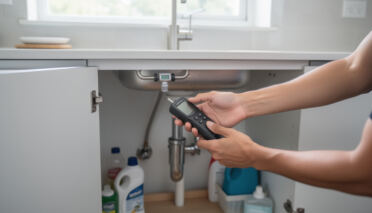
- 📟 Consider smart leak sensors near the water heater, under sinks, and behind toilets.
- 🌡️ Insulate vulnerable pipes to reduce condensation and cold-weather risk.
- 🧼 Clean drains routinely so water doesn’t pool in tubs or sinks (standing water invites trouble).
Once you see plumbing as a moisture-control system, it’s easier to justify the small routines. The payoff is fewer surprises, better air, and a house that feels solid underfoot.
Pipe Maintenance and Emergency Readiness: What to Do Before the 2AM Disaster
Plumbing emergencies are the ones that instantly ruin a day: burst pipes, severe clogs, overflowing toilets, or a failing water heater dumping gallons onto the floor. The difference between “annoying” and “catastrophic” often comes down to readiness. Knowing where the main shutoff is, having the right tools, and having a plumber’s number saved can cut damage dramatically.
Daniel had a winter scare when a pipe in an exterior wall froze during a cold snap. He didn’t know where the shutoff valve was. By the time he found it, water had soaked a closet, warped baseboards, and threatened an outlet near the floor. After repairs, he labeled the shutoff, added insulation, and installed a temperature sensor in the problem area. Not glamorous, but effective. That’s the general theme: pipe maintenance plus preparation reduces chaos.
A simple emergency plan that actually works
Start with the basics: locate your main water shutoff and test it (a stuck valve is a nasty surprise). Know the fixture shutoffs too—under toilets and sinks. Keep a small kit for minor events, because even if you’ll call a pro, you may need to control water for 20–60 minutes.
- 🚪 Know your shutoffs: main valve + fixture valves, and keep access clear.
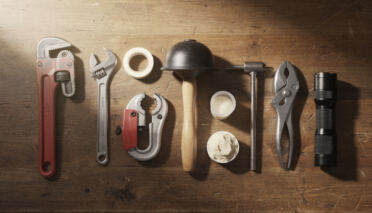
- 🧰 Stock a mini kit: adjustable wrench, towels, bucket, pipe tape, temporary sealant, flashlight.
- 📞 Save contacts: a trusted plumber and, if relevant, an HVAC/plumbing service that handles water heaters.
- 🧪 If water looks/smells off after an event, pause drinking use and check water quality.
- 📅 Book periodic inspections to catch corrosion, pressure issues, and weak connections early.
Why professional plumbers matter beyond “fixing stuff”
Pros don’t just repair; they prevent. They can inspect hard-to-reach runs, check for corrosion patterns, verify backflow protection, and spot code or safety issues. Modern tools like camera inspections make it easier to diagnose without tearing up walls. And if your home uses gas appliances, professional oversight is a straightforward safety measure—gas line work is not a DIY flex.
If you want to go one step further in 2026-style readiness, smart shutoff valves and water-use monitors can alert you to unusual flow and even stop water automatically. They’re not mandatory, but they’re a strong layer of defense when you travel or just want fewer “what’s that sound?” moments.
The key insight: emergency readiness isn’t pessimism—it’s how you keep a small plumbing failure from turning into a whole-home event.
How often should I schedule plumbing maintenance for home safety and health?
A practical baseline is a yearly check-up, plus seasonal attention in climates with freezing temperatures. If your home is older, you’ve had recurring clogs, or you’ve noticed changes in water pressure or water quality, consider more frequent visits focused on pipe maintenance and leak prevention.
What are the fastest warning signs that plumbing could be affecting health?
Watch for sewage odors, repeated slow drains, visible leaks, unexplained spikes in the water bill, and any discoloration or odd taste in tap water. Those can point to sanitation problems, hidden leaks, or water quality issues that deserve quick professional diagnosis.
What should I do first during a burst pipe or major leak?
Shut off the main water valve immediately, then open a faucet to relieve pressure and start containing water with towels/buckets. If there’s water near outlets or appliances, avoid electrical contact and shut power off at the breaker if it’s safe. Call a plumber right away—speed is the core of damage control.
Can plumbing problems really cause mold growth even without visible water?
Yes. Slow leaks behind walls, loose toilet seals, condensation on cold pipes, and small drips under sinks can keep materials damp long enough for mold to develop. Mold prevention is mostly about catching moisture early and maintaining dry building materials.
Are smart leak detectors worth it?
They’re especially worth it near water heaters, under sinks, behind toilets, and in basements—areas where leaks can go unnoticed. They support leak prevention by alerting you early, which can mean the difference between a quick repair and major water damage cleanup.