In brief
- 🛠️ Regular plumbing inspections catch small issues before they turn into big bills through early repairs.
- 🔎 Smart leak detection protects walls, floors, and foundations with real water damage prevention.
- 🚿 Checking pipe integrity reduces burst-pipe risk and keeps your daily routine stress-free.
- 💸 A planned inspection schedule usually delivers real cost savings compared to emergency callouts.
- 🧼 Inspections support safety by protecting drinking water quality and spotting corrosion or backflow risks.
- ⚙️ Better maintenance improves system efficiency—including water heaters, fixtures, and pressure balance.
There’s a specific kind of dread that comes with hearing water where water shouldn’t be—behind a wall, under a floor, or in that weird “why is the water bill higher?” moment. Most homes don’t fail dramatically all at once; they usually whisper first. A hairline crack in a supply line. A toilet that runs just a little too often. A water heater that’s quietly collecting sediment like it’s a hobby. Regular plumbing inspections are basically the difference between hearing those whispers early and getting woken up by a burst pipe at 2 a.m. 🧯
And it’s not just about avoiding drama. A healthy plumbing system supports day-to-day comfort—steady pressure, hot water that lasts, drains that don’t smell like a science experiment—and it protects the biggest investment most people ever make. The best part is how boring it can be when it’s done right: a short visit, a checklist, a couple of quick adjustments, and a plan for the next year. That “boring” is exactly what keeps you out of chaos.
Why Regular Plumbing Inspections Stop Small Problems From Becoming Expensive Disasters
Let’s follow a simple storyline. Mia owns a 1990s townhouse, and everything seems fine—until a faint stain appears near the baseboard in the hallway. She wipes it, it comes back, she ignores it. Weeks later the paint bubbles, the flooring starts to warp, and the repair quote includes drywall replacement, mold remediation, and a chunk of the subfloor. That’s the classic path from “minor leak” to “serious money.” Regular plumbing inspections exist to interrupt that storyline before it gets ugly.
The tricky part is that many plumbing issues hide in places you don’t look. Supply lines run behind cabinets. Drain lines sit under slabs or in crawlspaces. A slow pinhole leak can evaporate just enough that you don’t see a puddle, but it still feeds moisture into wood, insulation, and drywall. A good inspection focuses on leak detection and clues: corrosion marks, mineral deposits, pressure irregularities, and moisture where it doesn’t belong. 🔍
Early repairs are cheaper because plumbing problems are predictable
Plumbing failures usually get worse, not better. A worn washer becomes a drip. A drip becomes constant flow. Constant flow becomes damage—sometimes structural. When a plumber catches the early stage, the fix tends to be simple: replace a valve, reseat a toilet, tighten a connection, swap a braided hose that’s past its prime. Those early repairs aren’t just about convenience; they change the math. A $20 part and a short labor visit beats replacing cabinets and refinishing floors every time.
In older properties, predictability matters even more. Galvanized pipes corrode internally, reducing flow and compromising pipe integrity. Copper can develop pinholes if water chemistry is aggressive. PVC and ABS drains can sag or separate at joints. Inspections help you plan replacements like an adult—on your schedule—rather than during a weekend meltdown.
Water damage prevention is also about protecting the stuff you can’t see
Water damage prevention isn’t only about keeping floors pretty. Moisture trapped inside walls can degrade framing, attract pests, and encourage mold growth. Even when mold isn’t visible, damp materials can create that persistent musty smell that makes a home feel “off.” A thorough inspection looks for moisture patterns around showers, tubs, dishwashers, washing machines, and ice-maker lines—the usual suspects.
The insight to hold onto: inspections don’t just find problems; they stop damage chains before they branch out into multiple trades, multiple invoices, and multiple headaches.
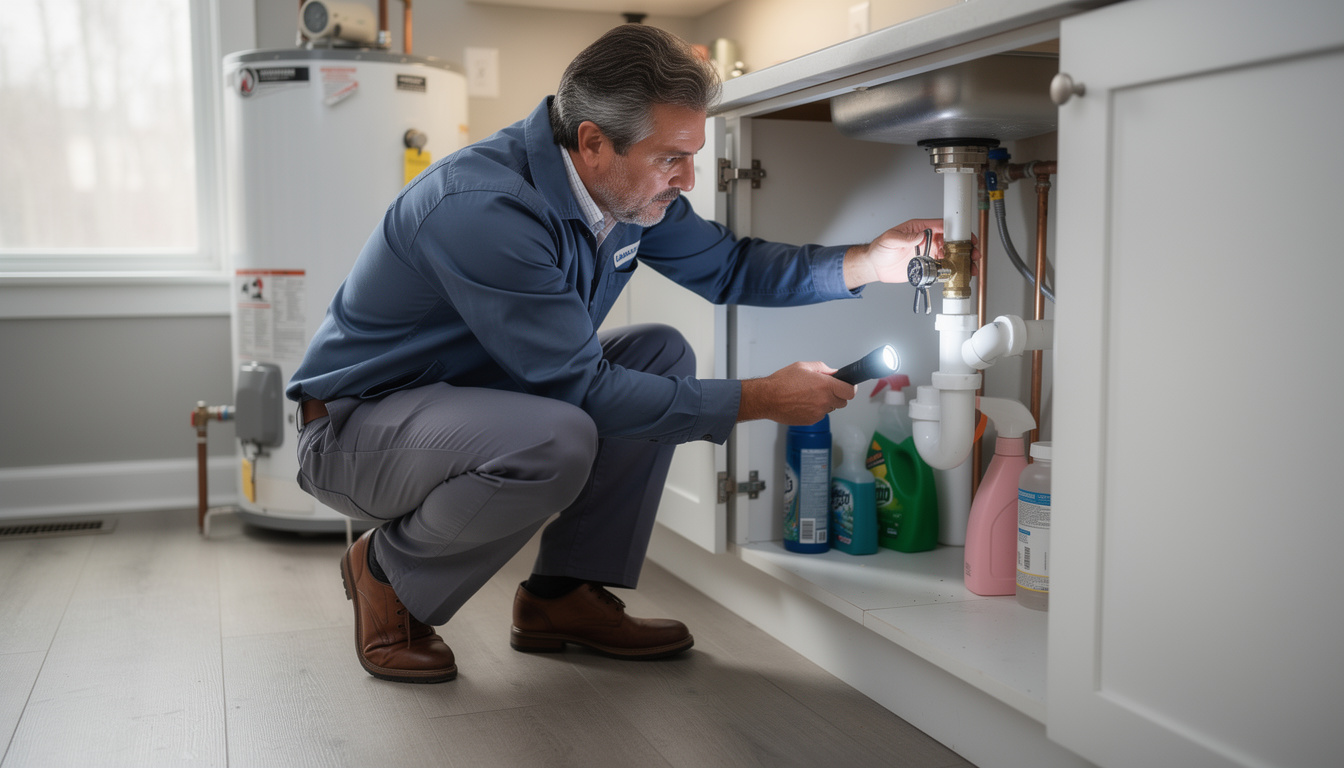
Plumbing Maintenance That Boosts System Efficiency (and Makes the House Feel Better)
When people think “plumbing,” they picture pipes. But what you actually experience every day is performance: pressure, temperature stability, drain speed, noise, and reliability. Regular maintenance through scheduled plumbing inspections is how you keep that performance smooth instead of gradually annoying.
Take water pressure. Too low and showers feel weak; too high and you’re stressing fixtures and hoses. A plumber can measure pressure, check the pressure-reducing valve, and inspect expansion tanks—especially important when a water heater is involved. That’s system efficiency in a practical sense: the system isn’t fighting itself, and components aren’t wearing out early.
Water heaters: where tiny issues quietly inflate bills
Water heaters are a huge lever for comfort and cost savings. Sediment buildup can reduce heating efficiency and shorten tank life. During an inspection, a plumber may recommend flushing the tank, checking the anode rod, and inspecting the temperature and pressure relief valve. For tankless systems, descaling can make a noticeable difference in flow and heating consistency.
Here’s an everyday example: Mia’s neighbor Dan complained his hot water “didn’t last.” The issue wasn’t the heater’s age—it was sediment and a thermostat setting that had drifted. A routine service restored performance and lowered energy use. No magic, just attention.
Fixture checks that prevent waste (and embarrassment)
That toilet that “kind of runs sometimes”? It can waste a surprising amount of water over time, and it’s the kind of thing homeowners normalize. Inspections cover dye tests for flappers, fill-valve performance, faucet aerators, and shower cartridges. The goal isn’t perfection; it’s eliminating steady waste and keeping everything operating as designed.
Drain and vent health: the underrated comfort upgrade
Slow drains aren’t just annoying—they can signal buildup, venting problems, or early blockages. Inspections often include checking traps, observing drain speed, and spotting signs of partial clogs. Venting issues can lead to gurgling, sewer odors, and trap siphoning. Nobody wants their bathroom to smell like a subway tunnel, right?
The takeaway: better system efficiency isn’t abstract—it’s stronger showers, quieter pipes, quicker drains, and fewer “why is this happening?” moments.
Pipe Integrity, Leak Detection, and Safety: The Unseen Benefits That Matter Most
Most homeowners judge their plumbing by what they can see. But the real risks—and the real wins—live in what you can’t. Regular plumbing inspections focus on pipe integrity and safety because failures there can affect health, insurance claims, and the structure of the home.
Start with drinking water. Corroded fittings and deteriorating lines can introduce metals, rust, or debris into your supply. Inspections help identify aging materials, failing shutoff valves, and connection points that might compromise water quality. If your home has older plumbing materials, a proactive check is a smart move for peace of mind.
Backflow, cross-connections, and why “safe water” isn’t automatic
Cross-connections (where non-potable water could mix with potable water) are rare in well-built systems, but they’re not impossible—especially with irrigation, hose bibs, basement utility sinks, or DIY renovations. A plumber can check for backflow prevention where it’s needed and flag risky setups. That’s not paranoia; it’s basic safety practice.
Outdoor systems matter too. Irrigation lines, hose bibs, and exterior shutoffs get exposed to freezing, sun damage, and impacts. An inspection that includes outdoor plumbing helps prevent contamination risks and avoids leaks that saturate soil near foundations.
Moisture + time = structural damage (and emotional damage)
Water doesn’t need a flood to be destructive. A slow leak can rot sill plates, weaken subflooring, and create conditions for pests. Regular leak detection checks are the boring hero that prevents those “open the wall and pray” moments. If you’ve ever watched a renovation show where they find surprise rot, you know exactly what this is about.
A practical schedule that fits real life
Most households benefit from an annual inspection, with more frequent checks for older homes, homes with trees near sewer lines, or properties that have had past leaks. The goal is consistency, not perfection.
One clear insight: when you protect pipe integrity, you’re protecting everything attached to those pipes—your appliances, your finishes, and your daily routine.
Cost Savings and Water Damage Prevention: The Money Side Nobody Regrets
People sometimes avoid inspections because they don’t want to “go looking for problems.” But plumbing problems don’t need your permission to exist. The financial logic is straightforward: planned work is cheaper than emergency work, and early fixes reduce secondary damage. That’s the heart of cost savings in home plumbing.
Think in layers. There’s the cost of the repair itself (a valve, a hose, a wax ring). Then there’s the collateral damage (drywall, flooring, insulation, cabinetry). Then there’s the disruption (hotels, drying equipment noise, days off work). Preventive plumbing inspections aim to keep the issue in the first layer.
Where inspections typically pay for themselves
In real homes, the biggest “wins” often come from common points of failure: supply hoses to washing machines, under-sink shutoffs that won’t close, slowly failing water heater components, and hidden toilet leaks. Catching those early is classic water damage prevention.
Table: common findings vs. typical impact
| 🔧 Inspection finding | 💥 What it can turn into if ignored | 💸 Why it matters for cost savings |
|---|---|---|
| 🚰 Small faucet/valve seep | Warped cabinet base, mildew smell | Early repairs avoid carpentry and restoration bills |
| 🧺 Aging washing machine hose | Sudden burst, soaked laundry room | Replacing a hose is cheap; drying a house isn’t |
| 🔥 Water heater sediment/corrosion | Efficiency drop or tank failure | Maintenance extends lifespan and lowers energy use |
| 🚽 Running toilet (silent) | High bills and moisture around base | Stops long-term waste and hidden floor damage |
| 🧱 Slow drain / partial blockage | Backup, overflow, damaged flooring | Cleaning early beats emergency snaking at night |
A checklist you can keep on your fridge
- 🧯 Locate and test main shutoff valve (and label it)
- 🔎 Ask for moisture checks near tubs, showers, and toilets
- 🚿 Confirm healthy pressure and inspect the PRV if installed
- 🔥 Have the water heater inspected and serviced as recommended
- 🧺 Replace old braided hoses and brittle supply lines proactively
- 🌳 If you have trees, ask about sewer line risk signs
The main point: plumbing inspections don’t “create” expenses—they control them, keeping surprises from turning into budget disasters.
Compliance, Insurance, and Real-World Maintenance Planning for Homeowners
Beyond comfort and savings, there’s the adulting side: codes, insurance expectations, and documentation. Depending on where you live, inspection habits can support compliance with local housing standards and reduce friction if you ever need to file a claim. Even when it’s not legally required, documented maintenance shows you acted responsibly, which can matter when disputes come up.
In 2026, insurers and property managers are increasingly attentive to water-related risk because claims are expensive and disruptive. Water damage is one of the most common reasons people end up in long claim processes, and anything that reduces risk—like shutoff upgrades, leak sensors, and professional inspections—can make your home easier to insure and easier to manage.
Documentation: the quiet superpower during a sale
If you sell your home, buyers love evidence of care. A folder (digital is fine) with inspection dates, findings, and receipts helps you answer questions fast. It also reduces the odds of last-minute surprises during buyer inspections. This isn’t about bragging; it’s about trust. A home with a paper trail feels safer than one with a “we never had issues” vibe.
Planning upgrades instead of reacting to failures
Inspections help you map out replacements before they become emergencies: aging shutoff valves, older water heaters, corroded sections, or fixtures at end-of-life. That allows you to bundle work, shop for parts calmly, and schedule downtime when it’s convenient. It’s the difference between “we decided to upgrade” and “we had to rip out the kitchen.”
Choosing the right scope for your home
A reasonable inspection can include fixture checks, visible supply and drain evaluation, water heater assessment, pressure testing, and targeted leak detection. If the home is older or has a history of backups, you might add a camera evaluation of the main line. The right scope is personal: it matches your risk profile, not your neighbor’s.
Final insight for this section: a consistent inspection routine turns plumbing from a surprise expense into a managed system—one you control.
How often should I schedule plumbing inspections?
For most homes, once a year is a practical baseline. Older properties, homes with large trees near sewer lines, or houses with past leaks often benefit from a check every 6–9 months to support early repairs and better water damage prevention.
What does a professional plumbing inspection usually include?
Typically: checking visible pipes and fittings for corrosion and pipe integrity, testing shutoff valves, evaluating water pressure, inspecting toilets and faucets for leaks, reviewing water heater condition, and doing targeted leak detection around high-risk areas like under sinks and near appliances.
Can inspections really improve system efficiency?
Yes. Adjusting pressure, servicing the water heater, clearing partial drain restrictions, and fixing small fixture leaks can improve system efficiency and reduce wasted water and energy—often with noticeable comfort improvements (better pressure, steadier hot water, fewer odors).
Is it worth doing inspections if I haven’t noticed any problems?
That’s exactly when inspections provide the most value. Many issues are hidden—slow leaks, aging hoses, or corroding connections. Catching them early usually leads to cost savings and avoids emergency repairs.
What’s one quick thing I can do today for plumbing safety?
Find your main water shutoff and confirm it actually turns. Label it clearly. In an emergency leak, that single step can dramatically reduce damage while you wait for service.