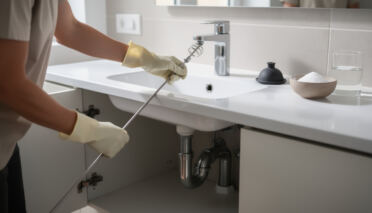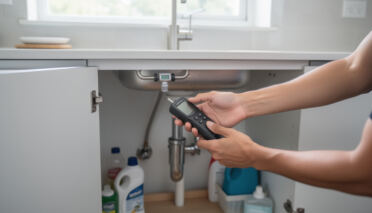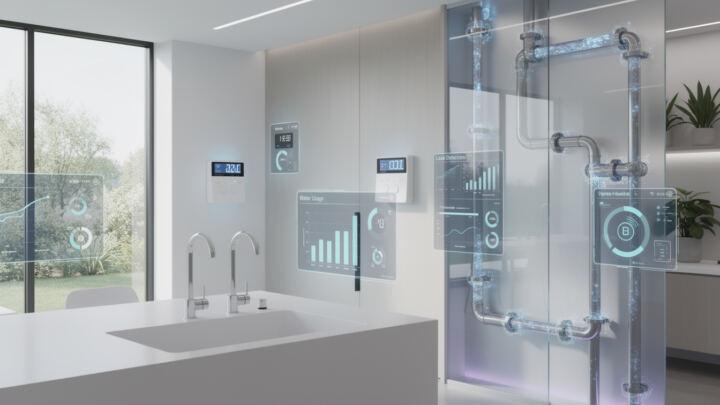
Plumbing used to be the quiet background system you only noticed when something went wrong. That era is fading fast. Today’s homes and buildings are getting “nervous systems” of their own: tiny connected devices watching flow, pressure, and temperature, then turning those readings into actions. The big shift isn’t just convenience—it’s risk reduction, water conservation, and energy efficiency at a moment when insurance costs, drought concerns, and utility rates are forcing everyone to pay attention. In practical terms, that means fewer surprise floods at 2 a.m., fewer “mystery spikes” on water bills, and smarter hot-water delivery that doesn’t waste money heating a tank all day.
What’s also changing is who benefits. Homeowners get peace of mind; property managers get dashboards and alerts; plumbers get new service lines like connected installs, data-driven checkups, and automated maintenance plans that keep customers loyal. If you’re picturing a sci‑fi house, don’t—this is already mainstream. Smart plumbing is increasingly expected in renovations and new builds, especially where water damage claims and sustainability targets collide. And the best part? The future isn’t one single gadget. It’s a stack of technologies—IoT plumbing, sensor technology, predictive tools, and modern materials—working together so your water system stops being reactive and starts being proactive.
En bref
- 💧 smart plumbing is shifting water systems from reactive fixes to proactive protection with remote monitoring and shutoff controls.
- 🧠 predictive analytics plus sensor technology is reducing emergencies and enabling automated maintenance schedules.
- 🚰 leak detection is becoming a must-have, helping cut household waste (often around 10,000 gallons/year from unnoticed leaks).
- 🌿 sustainable plumbing features like low-flow fixtures and greywater reuse can seriously boost water conservation—sometimes up to 30,000 gallons/year per home with reuse systems.
- 🔥 Tankless and connected heaters push energy efficiency while improving comfort and maintenance visibility.
- 🛠️ Trenchless repair, PEX piping, and even 3D-printed parts are speeding jobs up and reducing disruption.
Smart Plumbing Solutions : Connected Water Systems That Actually Prevent Disasters
Let’s follow a simple thread through this whole article: a fictional property manager named Maya, responsible for a 40-unit building plus a few single-family rentals. Maya’s job isn’t “plumbing,” but water damage is one of her biggest risks. One burst supply line can wreck drywall, flooring, electrical, and tenant relationships in one ugly afternoon. So when people talk about the future of smart plumbing, Maya hears: “fewer disasters, fewer angry calls, fewer invoices with too many zeros.”
Connected plumbing is basically the idea that water infrastructure can be observed and controlled like any other smart system. The backbone is sensor technology: flow meters, pressure sensors, temperature probes, and acoustic or wave-based detectors that notice patterns humans miss. When these devices connect to the internet—classic IoT plumbing—they stop being dumb measuring tools and become a network that can alert, diagnose, and act.
From “Uh-oh” to “Handled”: Real-world leak detection and automatic shutoffs
The headline feature people care about is leak detection paired with automatic shutoff. A typical setup watches baseline water behavior, then flags anomalies: water flowing at 3 a.m. when nobody’s home, pressure signatures that resemble a pinhole leak, or steady flow that suggests a running toilet. Some systems go a step further and cut water automatically if the risk is high.
A widely discussed example in the market is Flo by Moen. In a large study of 2,306 homes equipped with the system, households reportedly saw a 96% drop in paid water damage claims. That kind of number matters because insurance underwriting is increasingly picky about preventable losses. Maya doesn’t just like the gadget—she likes what it does to premiums, deductibles, and renewal conversations.
Remote monitoring that feels like cheating (in a good way)
Remote monitoring is the underrated feature that changes behavior. Instead of waiting for tenants to report “a weird sound,” Maya gets a notification: “Continuous flow detected in Unit 12.” She can call a plumber before the leak becomes visible. For homeowners, it’s even simpler: if you’re on vacation and something goes wrong, you can shut water off from an app without calling a neighbor to hunt for the main valve.
And here’s the social angle: customers now expect this kind of control. The same way people got used to package tracking, they’re getting used to water tracking. Once you’ve seen a dashboard that shows daily usage, it’s hard to go back to guessing.
Where this is heading next
In the near future, the most common “smart” plumbing installs won’t be flashy. They’ll be basic, standardized safety layers—monitoring plus shutoff—like smoke detectors became normal. The next section goes deeper into the brains of the system: AI, automation, and how predictive analytics makes maintenance feel less like firefighting and more like scheduling.
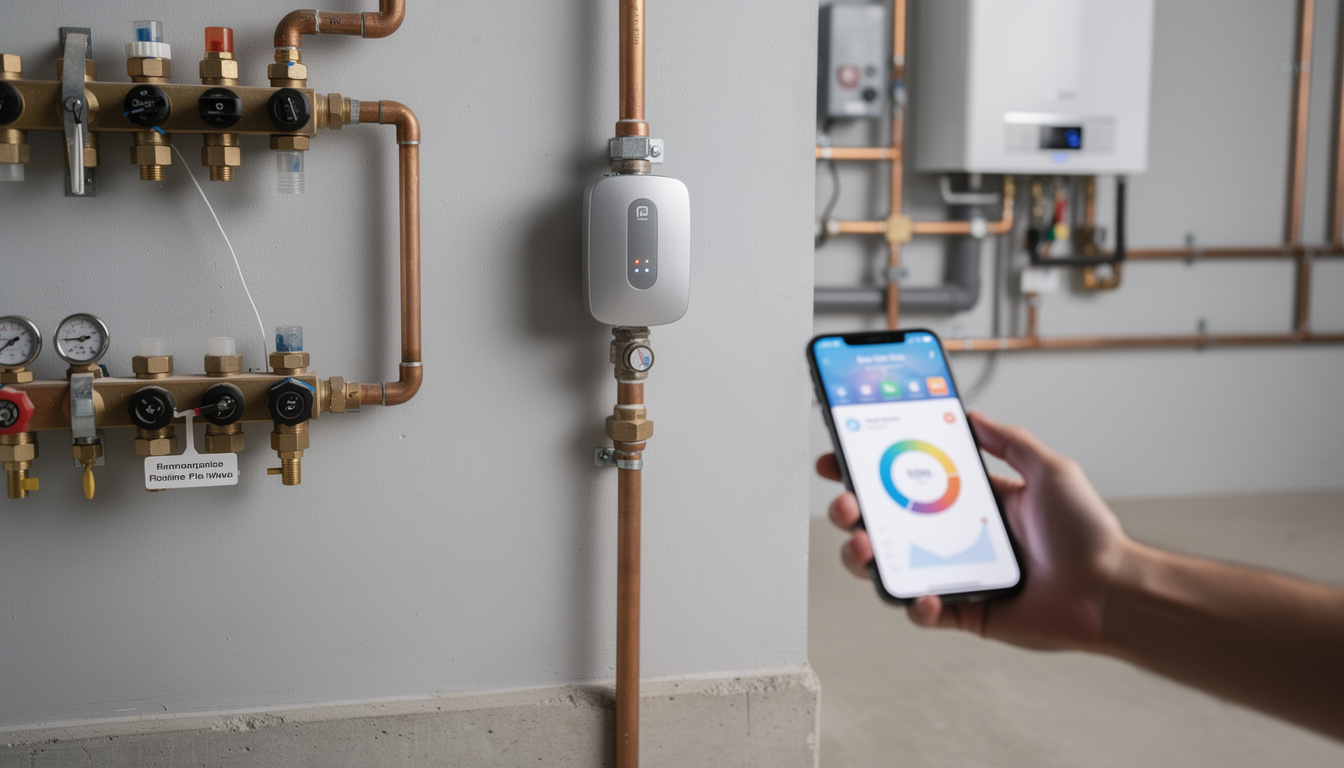
AI, Predictive Analytics, and Automated Maintenance: The New Service Model for Plumbing
When people hear “AI in plumbing,” they often imagine robots tightening fittings. What’s actually happening is more practical—and honestly more powerful. AI is becoming the pattern-recognition layer that sits on top of connected measurements. It takes streams of flow and pressure data and turns them into insights: what’s normal, what’s suspicious, and what’s likely to fail next.
For Maya’s building, this is the difference between “we respond to floods” and “we prevent them.” Her plumber starts offering a monitoring plan that includes monthly performance reviews. The system doesn’t just scream when something breaks; it nudges decisions when tiny deviations appear.
Predictive analytics: spotting failures before tenants notice
Predictive analytics is basically forecasting for pipes. If a pressure sensor starts showing irregular spikes after a pump cycle, that can hint at a valve wearing out. If a hot water recirculation line shows unusual cooldown patterns, that can suggest insulation issues or a balancing problem. None of these are dramatic alone, but together they become a map of future headaches.
Commercial smart metering has already normalized this approach. Some systems alert managers when usage patterns shift—like an overnight baseline creeping upward—so they investigate early. That reduces after-hours emergencies and keeps repair work in regular business hours, which customers love and technicians love even more.
Automated maintenance without turning service into spam
Automated maintenance sounds like endless push notifications, but the best setups are subtle. Think: a water heater that logs efficiency and cycle time, then recommends descaling based on actual runtime and water hardness indicators. Or a filtration system that tracks usage and alerts when a cartridge is nearing end-of-life—so replacement happens before performance drops.
The key is relevance. The winners are the companies that avoid “nagging tech” and instead provide “quiet reliability.” Maya signs off on service alerts because they’re tied to measurable risk: leak probability, unusual consumption, or equipment health scores.
Customer service gets faster (and more transparent)
AI also changes the customer experience. Instead of a vague “something’s wrong,” a plumber can arrive with a likely diagnosis: “The system flagged a continuous low-flow event consistent with a toilet flapper leak.” That speeds troubleshooting and builds trust because the visit starts with evidence, not guesswork.
This is also where the industry’s competitive edge shows up. Companies that embrace connected diagnostics can offer premium service tiers and reduce truck rolls. It’s not about replacing skilled trades; it’s about letting skilled people spend time on the fixes that matter.
If AI is the brain, sustainability is the mission. Next up: fixtures, reuse systems, and the everyday choices that turn a building into a sustainable plumbing success story.
Want to see what the pros are watching right now? Here’s a handy video search to get the current talk-of-the-industry context.
Sustainable Plumbing and Water Conservation: Low-Flow, Greywater, and Smarter Habits That Stick
If you strip away the hype, the future of plumbing is about one thing: using water more intelligently. Water conservation isn’t just a “nice-to-have” anymore. In many regions it’s tied to restrictions, rebates, building certifications, and even resale value. That’s why the sustainability side of smart plumbing is growing just as fast as the safety side.
Maya’s tenants don’t wake up excited to save water. They wake up excited to have a good shower. So the trick is to make efficiency invisible: the same comfort, less waste. That’s where fixtures, reuse, and monitoring combine into something that actually changes outcomes.
Low-flow fixtures: small swap, huge aggregate impact
Modern low-flow toilets typically use around 1.28 gallons per flush or less, compared with older units that can gulp 3 to 5 gallons. Low-flow showerheads often come in under 2.5 gallons per minute, while still feeling strong thanks to better nozzle design and pressure compensation.
In Maya’s building, swapping fixtures isn’t glamorous—but it’s predictable ROI. Water bills drop. Complaints don’t rise. And if the fixtures align with recognized programs (like WaterSense-style performance targets), the upgrades are easier to justify during renovations.
Greywater reuse: turning “used once” into “used twice”
Greywater systems capture relatively clean wastewater from showers, sinks, and laundry, then reuse it for irrigation or toilet flushing. The U.S. EPA has noted that a typical home can save up to 30,000 gallons per year with greywater reuse, depending on design and habits. These systems are more common in eco-focused builds, ADUs, and properties where landscaping irrigation is a big slice of consumption.
For Maya, the decision becomes practical: a few units with high occupancy and heavy laundry use can make a reuse system more compelling. She also likes the resilience angle. In dry months, reducing potable water demand can be a community benefit—not just a budget line.
Touchless fixtures: hygiene plus conservation
Touchless faucets and valves surged after COVID-era hygiene awareness, and the trend stuck. Beyond the “clean hands” vibe, touchless control can reduce wasted flow—especially in shared spaces where people tend to leave water running. For upscale rentals, it also reads as modern, which helps with marketing.
Practical checklist that actually helps (and doesn’t overwhelm)
- 🚿 Upgrade to low-flow showerheads that preserve comfort while cutting use.
- 🚽 Replace older toilets with high-efficiency models to reduce per-flush waste.
- 🌧️ Add rainwater-friendly landscaping features where allowed to reduce runoff and irrigation demand.
- 📈 Use remote monitoring dashboards to catch “usage creep” before it becomes a bill shock.
- 🛑 Pair efficiency upgrades with leak detection, because saving water while leaks run is like dieting with a fridge door left open.
Sustainability goals get easier when the hardware is modern. Next, we’ll get into the physical side of the future—materials, installation methods, and the behind-the-walls innovation that makes these systems faster to build and simpler to maintain.
Materials and Installation Innovation: PEX, Trenchless Repair, and 3D-Printed Parts
Not every future-facing improvement needs an app. Some of the most important changes in plumbing are about what you install and how you install it. The industry is leaning hard into faster installs, fewer call-backs, and less disruption for the customer. That means modern piping like PEX, less invasive repair methods like trenchless replacement, and niche-but-growing tools like 3D printing for custom components.
Maya loves tech, but she loves “no torn-up landscaping” even more. When a main line fails under a courtyard, tenants don’t care if you used cutting-edge sensors. They care whether they can walk to their door without stepping over a crater.
PEX piping: flexible, durable, and built for real-world conditions
PEX piping (cross-linked polyethylene) has become the go-to choice for many residential projects because it’s flexible, resistant to scale, and handles freeze conditions better than rigid pipe in many scenarios. It also installs quickly, which reduces labor time and helps contractors stay on schedule.
For property retrofits, PEX can be a lifesaver. Running new lines through tricky framing can be less invasive, and the reduced number of fittings (depending on the layout) can reduce potential failure points.
Trenchless pipe replacement: fix what’s underground without destroying what’s above
Trenchless methods let plumbers rehabilitate or replace underground lines with minimal excavation. That can mean pipe bursting (breaking the old pipe while pulling a new one through) or lining methods that create a new interior surface. Either way, the outcome is less mess and often faster completion.
For Maya, trenchless isn’t just aesthetics. It can reduce overall project costs when you factor in hardscaping, landscaping, and tenant disruption. A job that would have been a week of chaos can sometimes be handled in a much tighter window.
3D-printed plumbing parts: small tool, big downtime reduction
3D printing isn’t about printing entire plumbing systems. It’s about those annoying moments when a specific bracket, adapter, or discontinued plastic component delays a repair. Printing a compatible part (where appropriate and code-compliant) can cut downtime and keep systems running until a permanent replacement arrives.
The future here is less “homeowner printing valves” and more “authorized shops printing certified components” as supply chains keep evolving.
Quick comparison table for decision-making
| Tech / Method | Best for | Key upside | Watch-outs |
|---|---|---|---|
| 🔧 PEX piping | Renovations, repipes, cold-climate resilience | Fast install, flexible routing, scale resistance | UV exposure limits; follow local code and fitting specs |
| 🌿 Trenchless replacement | Underground failures under driveways/yards | Less disruption, often faster turnaround | Not every pipe condition qualifies; needs specialized gear |
| 🧩 3D printed parts | Rare/discontinued components, temporary fixes | Reduced downtime, custom-fit solutions | Material ratings and compliance requirements matter |
| 🚿 Advanced filtration | Health-focused homes, lead/chlorine concerns | Improved water quality and customer satisfaction | Filter maintenance must be tracked to stay effective |
Now that the pipes and methods are evolving, the next question is: how do you run a plumbing business (or manage properties) in a world where systems are connected, data-driven, and customer expectations are higher? That’s where operations, training, and tool stacks come in.
Business and Homeowner Playbook: Implementing IoT Plumbing Without Overcomplicating Everything
Buying smart devices is easy. Implementing IoT plumbing in a way that customers understand, technicians can support, and budgets can handle? That’s the real work. The future of smart plumbing isn’t just technology—it’s the process around it: training, product selection, service packaging, and the way you explain value without sounding like a gadget salesperson.
Maya learned this the hard way. She once installed a mix of devices across different units—different apps, different alert styles, different maintenance schedules. The result was confusion. The lesson: standardize wherever possible. A consistent setup means faster troubleshooting and easier tenant communication.
Start with the customer’s real priority (it’s not always “cool tech”)
Some homeowners want lower bills. Some want sustainability credentials. Some just fear water damage. A clean approach is to offer bundles that map to motivations:
- 🛡️ Protection bundle: whole-home shutoff + leak detection + basic remote monitoring.
- 🌍 Sustainable plumbing bundle: low-flow upgrades + usage analytics + optional greywater where feasible.
- 🔥 Comfort + energy efficiency bundle: tankless or smart water heater + recirculation tuning + temperature control.
Notice how each bundle tells a story. People buy stories, then justify with specs.
Training and workflows: the hidden differentiator
Connected installs require a little crossover knowledge: Wi‑Fi basics, app setup, firmware updates, and secure configuration. Companies that train technicians well can turn that into a premium experience. The first time a customer sees a plumber confidently pair a device, set alert thresholds, and explain what notifications matter, trust goes up.
On the property-management side, Maya created a simple rule: alerts must route to one place first (her maintenance inbox), then escalate. Tenants don’t need a dozen notifications; they need problems solved.
Security and privacy: keep it boring, keep it strong
Data security is a real concern with connected infrastructure. The goal is “boring security”: encrypted connections, strong passwords, segmented networks where possible, and clear permissions. Customers don’t want a lecture—they want reassurance that you’ve handled it.
Here’s a practical line that works: “Your water system data is protected like any other smart home device, and we configure it to minimize risk.” Simple, calm, effective.
What to measure so the value is undeniable
To keep smart plumbing from feeling like a novelty, track results. For Maya, the metrics are basic:
- 📉 Reduced after-hours emergency calls
- 💧 Monthly usage trendlines tied to water conservation
- 🧰 Fewer repeat visits thanks to better diagnostics and predictive analytics
- 🏠 Lower water-damage incidents (and happier insurance conversations)
When you can point to fewer incidents and steadier bills, the technology stops being “extra” and starts being standard.
The next step is keeping all this useful over time—because devices age, filters clog, and buildings change. That’s where ongoing monitoring, lifecycle planning, and smart upgrades turn into a long-term advantage.
What’s the simplest smart plumbing upgrade with the biggest payoff?
A whole-home shutoff valve paired with smart leak detection and remote monitoring is usually the fastest win. It reduces the risk of catastrophic water damage and gives you immediate visibility into unusual usage patterns.
How does IoT plumbing support water conservation in everyday life?
By measuring usage in real time and flagging abnormal flow, IoT plumbing helps you spot running toilets, dripping fixtures, or irrigation issues early. Combine that with low-flow fixtures or greywater reuse and you get savings that stick without relying on perfect habits.
Is predictive analytics actually useful for residential homes, or mainly for commercial sites?
It’s useful for both, but it shines in multi-unit and commercial settings where small issues scale quickly. In homes, predictive analytics can still help by identifying patterns that suggest developing leaks, water heater inefficiency, or abnormal overnight flow before it becomes expensive.
Do smart water heaters really improve energy efficiency?
Yes—especially when they provide scheduling, learning features, and performance monitoring. Tankless units can also be significantly more efficient than traditional tank heaters in many households, and connected controls help prevent unnecessary heating when demand is low.
What’s the biggest mistake people make when adopting smart plumbing?
Mixing too many brands and apps without a plan. Standardizing devices, setting sensible alert thresholds, and aligning automated maintenance with real priorities (risk, cost, comfort) keeps the system helpful instead of noisy.