In a lot of homes, plumbing is basically invisible—until it suddenly isn’t. One day everything’s fine, the next you’re standing in a puddle, staring at a ceiling stain, or wondering why the shower feels like a sad drizzle. What makes this stuff tricky is that the biggest disasters usually start with small, easy-to-ignore clues: a tiny leak under a sink, a whiff of something off in the bathroom, or strange noises in the wall that you chalk up to “old house vibes.” The problem is that water doesn’t stay polite. It spreads, it seeps, and it quietly sets up long-term trouble like mold growth and warped floors. And when a hidden issue turns into a burst pipe, you don’t get a warning—you get a mess.
The good news is you can usually spot trouble early if you know what you’re looking for. Plumbing issues follow patterns: pressure changes, repeated clogs, bad smells, discoloration, and weird sounds are all the system’s way of waving a red flag. In 2026, plumbers also have better diagnostic tools than ever—camera inspections, thermal imaging, smoke testing—so catching the cause is faster and less destructive than “let’s open the wall and see.” The real win is knowing when to stop DIY-ing and call for immediate repair before water damage becomes a renovation.
- 🚨 Leaks and wet spots often mean hidden damage is already in motion.
- 🚿 Low water pressure can point to corrosion, buildup, or a leak behind a wall.
- 🌀 Slow drainage in multiple fixtures hints at a bigger blockage—not just hair in one drain.
- 🤢 A persistent foul odor may signal venting problems or sewer-line issues.
- 🎧 Strange noises (gurgling, banging) suggest air, vent clogs, or stressed pipes.
- 🟤 Water discoloration is a common clue for internal corrosion or sediment.
- 🧻 Toilet backups can escalate fast and bring real health risks.
Signs Your Plumbing Needs Immediate Repair: Leaks, Wet Spots, and Water Damage Red Flags
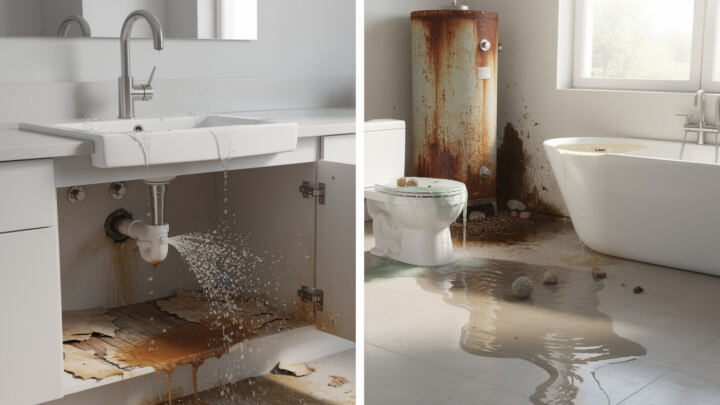
A leak is the most obvious warning sign—and the one people still ignore the most. Why? Because a slow drip feels manageable. You put a bowl under it, tighten something, and tell yourself you’ll deal with it “this weekend.” Meanwhile, moisture keeps working on the stuff you can’t see: cabinet bases, drywall, subflooring, insulation. That’s how “minor drip” turns into water damage and, eventually, a bigger repair bill.
Here’s a quick reality check: water doesn’t need a flood to cause chaos. A pinhole leak in a supply line can mist inside a wall for weeks. By the time you notice a stain on the ceiling, the wet area may already be larger than a dinner table. The same goes for shower pans, tub drains, and washing machine hoses—slow failures that quietly soak framing and invite mold growth.
How to spot a hidden leak before it becomes a major repair
Start with your senses and a little routine. Look for paint that bubbles, baseboards that swell, or flooring that feels “spongy.” Pay attention to musty smells in closets or under sinks. If you’ve got a recurring damp patch near a bathroom wall, that’s not “humidity”—that’s usually plumbing.
A practical trick is to watch your water meter. Shut off everything that uses water (no dishwasher, no laundry, no faucets). If the meter still moves, you’ve likely got a hidden leak. It’s simple, and it can save you from months of silent damage.
Mini case: the “tiny drip” that turned into a rebuild
A homeowner I’ll call Mia noticed a small drip under her kitchen sink and kept towels there for a while. When she finally pulled everything out, the cabinet bottom had turned soft, and the wall behind it had dark spotting—classic early mold growth. The fix wasn’t just replacing a trap; it became cabinet repair, drywall replacement, and a professional drying setup. The insight here is brutal but useful: the water you see is usually the smallest part of the story.
| Clue 👀 | What it often means 🔍 | Why it’s urgent ⏱️ |
|---|---|---|
| Ceiling stain 🟡 | Slow leak from bathroom/laundry above | Hidden saturation can spread fast → water damage |
| Soft cabinet base 🧽 | Ongoing drip at supply or drain connection | Wood rot + possible mold growth |
| Puddle near water heater 💧 | Valve issue or tank failure | Can turn into sudden flood and electrical risk ⚡ |
| Wet spot in yard 🌿 | Service line leak or sewer line issue | Soil erosion + foundation concerns |
If the next section has one theme, it’s this: when pressure and flow start acting weird, your plumbing is basically telling you it’s under stress—listen to it.
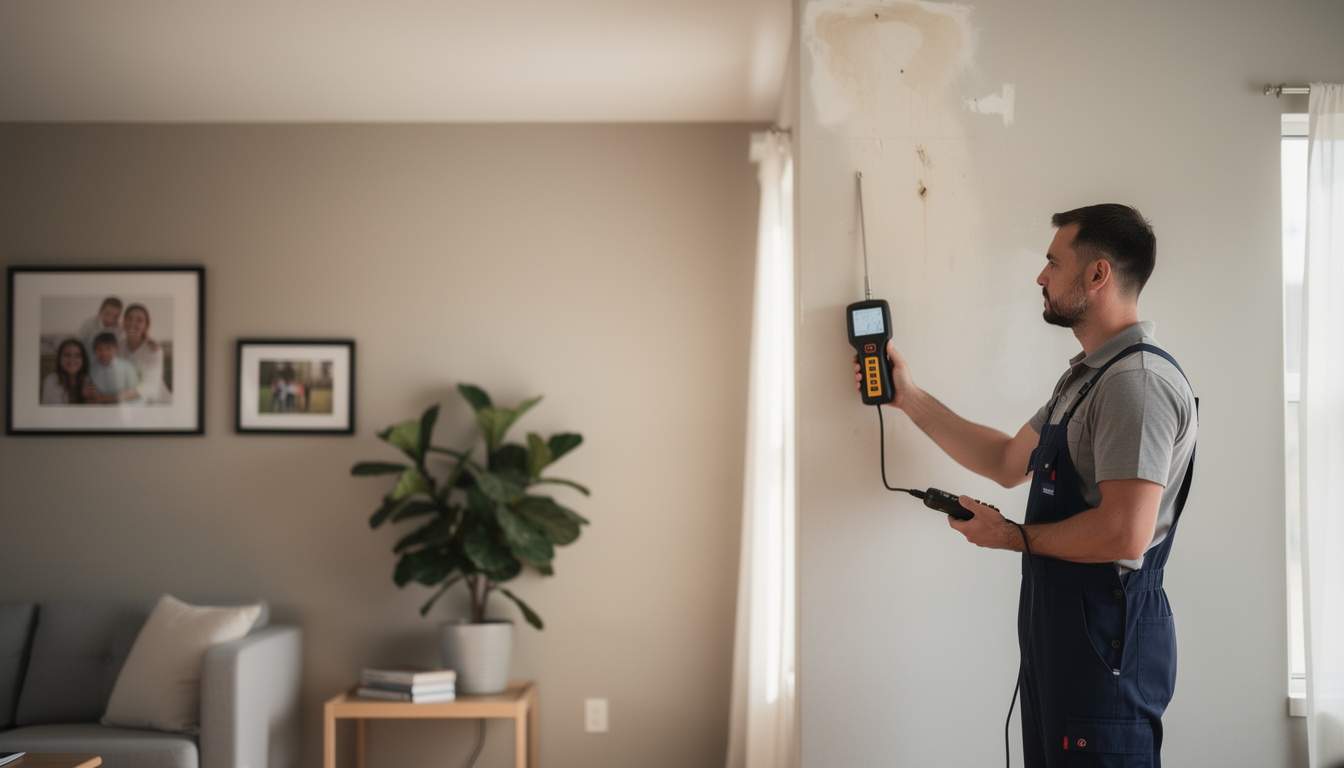
Low Water Pressure and Flow Swings: Signs Your Plumbing Needs Immediate Repair
Low water pressure is one of those annoyances that feels “livable” until it isn’t. The shower takes forever to rinse shampoo, the dishwasher underperforms, and faucets sputter. But pressure problems are rarely just a comfort issue. They can indicate pipe corrosion, mineral buildup, a failing pressure regulator, or a leak that’s stealing volume before the water ever reaches your fixture.
Pressure that fluctuates—strong one minute, weak the next—is especially suspicious. That pattern often hints at inconsistent supply, a partially blocked line, trapped air, or a valve that’s not behaving. In older homes, galvanized lines can corrode internally, narrowing the pipe like cholesterol in an artery. The result is weaker flow, noisy pipes, and higher stress on the system as it tries to keep up.
Pressure clues that should make you pick up the phone
If only one faucet is weak, the culprit may be a clogged aerator or a fixture cartridge. That’s the “easy lane.” But if multiple fixtures suddenly drop together—kitchen sink, shower, and laundry—start thinking bigger: main line issues, pressure regulator trouble, or a hidden leak. And if your pressure drops after you hear a hiss behind a wall, treat it as urgent.
Another underappreciated clue is pressure surges. If pipes bang when you shut off a faucet, that can be water hammer. It’s not just noisy; repeated shock can loosen fittings, weaken joints, and eventually cause leaks.
Why pressure problems accelerate wear
When pressure is unstable, appliances and fixtures take a beating. Valves open and close under irregular force. Flexible supply lines can flex more than they should. And if there’s buildup inside a pipe, the narrowed passage increases velocity, sometimes causing vibration and—you guessed it—more strange noises. A plumber can test pressure, inspect shutoff valves, and check the regulator quickly, instead of letting the system grind itself down.
Flow issues often show up alongside drain problems, and that’s where things get messy fast—especially when a simple clog turns into a system-wide backup.
Slow Drainage, Repeated Clogs, and Toilet Backups: Immediate Repair Warning Signs
A single clogged sink happens. Hair, soap, coffee grounds—life. But slow drainage in several places at once is a different beast. If the tub drains slowly while the bathroom sink also gurgles, you’re likely dealing with a deeper blockage in a shared line—or even a main sewer issue. That’s not a “pour some chemical cleaner” situation. It’s a “call before the floor drain erupts” situation.
Repeated clog cycles are another red flag. If you clear a drain and it’s back to slow within days, the pipe may have heavy buildup, a partial collapse, root intrusion, or improper slope. In other words, it’s not just what went down the drain; it’s the condition of the drain itself.
The gurgle factor: strange noises that signal trapped air and vent problems
Strange noises like gurgling often mean air can’t move correctly through the system. Plumbing relies on venting to keep pressure balanced. When a vent is blocked or a line is partially clogged, air gets trapped and bubbles through water in traps. That gurgle is a clue that a backup may be brewing.
Pay attention to the timing. If you flush a toilet and the nearby tub gurgles, your system is “talking” across fixtures, which often points to a shared drain line problem.
Toilet backups: the “drop everything” moment
Toilet backups are urgent because they combine water overflow with sanitation risk. If water rises and threatens to spill, shut off the valve behind the toilet if you can, and stop flushing. If multiple toilets or drains back up together, assume the main line is involved. That’s when professional equipment—augers, camera inspection, hydro jetting—becomes the right toolset.
Once drains and toilets start acting up, odors and discoloration are often not far behind—and those can signal health risks, not just inconvenience.
Foul Odor, Water Discoloration, and Health-Related Warning Signs That Need Immediate Plumbing Repair
A persistent foul odor from drains isn’t just gross; it’s a warning. Sometimes it’s a dry trap (common in guest bathrooms), but if the smell sticks around or worsens after running water, it can point to venting issues, bacterial buildup, or sewer gas getting where it shouldn’t. And sewer smells don’t just offend your nose—they can be a safety concern in enclosed spaces.
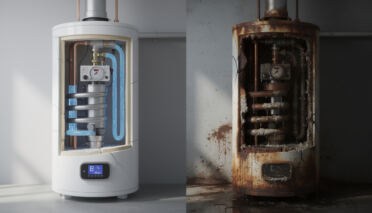
Then there’s water discoloration. Brownish, yellow, or rusty-looking water usually suggests corrosion inside the pipes or sediment being stirred up. If discoloration happens only in hot water, the water heater may be involved (sediment, an aging anode rod). If it’s in both hot and cold, your supply piping may be deteriorating. Either way, discolored water can stain fixtures and laundry, and it’s often a preview of leaks to come.
Why odors and discoloration often show up together
Old pipes can corrode and create rough interior surfaces where gunk collects. That buildup can contribute to slow drains, smells, and turbulent flow. If you’re noticing odor plus slow drainage, that combo should move your situation into “urgent inspection” territory.
Also, a musty smell around baseboards or under flooring can be a quiet indicator of mold growth after a leak. Mold doesn’t need dramatic flooding; it needs moisture and time. And if someone in the home is suddenly dealing with allergy-like symptoms that improve when they leave, it’s worth checking damp areas seriously.
What a plumber can do fast in 2026 without tearing your house apart
Modern diagnostics can narrow the search quickly. Camera inspections locate blockages and pipe damage. Thermal imaging can highlight temperature differences from moisture behind walls. Smoke testing can expose vent leaks that let sewer gas escape. The key is speed: the sooner the cause is identified, the less demolition you’re likely to face.
All these signs connect to a bigger question: what actually causes pipe systems to fail—and when do you go from “repair” to “emergency”? That’s the next angle.
From Corrosion to Burst Pipe: Root Causes Behind Immediate Plumbing Repairs (and How to React)
Plumbing failures don’t come out of nowhere. They’re usually the end of a chain: aging materials, shifting soil, freeze-thaw stress, root intrusion, poor installation, or years of mineral buildup. When that chain snaps, you might get a burst pipe, a sudden ceiling collapse, or a sewage backup that shuts down half the house. Not fun, and definitely not the time to start Googling where your main shutoff is.
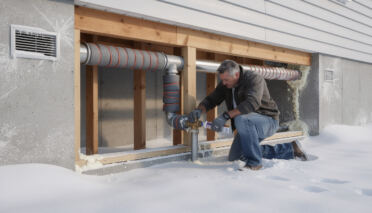
Corrosion is a slow burner. It weakens pipe walls and creates pinholes. Tree roots are the opposite: aggressive and opportunistic, drawn to tiny leaks and moisture in the soil. Soil movement—common after heavy rain swings or drought—can stress buried lines and joints. And in colder climates, freeze-thaw cycles can expand water inside pipes, causing cracks that don’t always reveal themselves until thawing floods the area.
A simple emergency plan that actually helps
If something goes wrong suddenly, the first goal is to stop more water from entering the situation. Know your main shutoff. Know the fixture shutoffs under sinks and behind toilets. And if water is near outlets or appliances, think safety first—shut off power at the breaker before stepping into standing water.
- 🧯 Turn off the nearest shutoff valve (fixture-level if possible, main if needed).
- ⚡ If there’s water near electricity, cut power to that area at the breaker.
- 🪣 Contain water with buckets/towels and move valuables off the floor.
- 📸 Document visible damage for insurance and for the plumber.
- 📞 Call a licensed emergency plumber and describe symptoms clearly (low water pressure, odor, gurgling, visible leak).
Choosing the right kind of repair (not just the fastest patch)
Temporary fixes have their place—like a clamp on a small leak—while you wait for a pro. But if leaks repeat, pressure keeps dropping, or drains keep backing up, you want root-cause work: proper pipe replacement, lining, hydro jetting, or trenchless repair where appropriate. Done right, it’s not just “stopping the drip,” it’s restoring reliability.
If you’re weighing whether to call now or “see if it gets better,” here’s the honest rule: plumbing almost never gets better on its own. The smartest move is treating early symptoms like the warning lights they are.
How do I know if a leak is serious enough for immediate repair?
If you see recurring wet spots, ceiling stains, soft flooring, or any sign of water damage spreading, treat it as urgent. A small leak can feed mold growth and weaken materials long before it looks dramatic.
What does it mean when multiple drains have slow drainage at the same time?
When slow drainage shows up in several fixtures, it often points to a deeper clog in a shared line or even the main sewer line. That’s when you want professional tools like camera inspection or hydro jetting, not just a plunger.
Are strange noises in pipes really a big deal?
Yes. Strange noises like gurgling or banging can indicate trapped air, venting problems, or pressure stress. Left alone, the underlying issue can lead to backups, joint failure, or leaks.
Why is water discoloration a warning sign?
Water discoloration (brownish or rusty water) often signals internal corrosion or sediment. Corroded pipes are weaker and more likely to leak, and sediment can damage fixtures and reduce performance.
What should I do first if I suspect a burst pipe?
Shut off your home’s main water supply immediately, then address electrical safety if water is near outlets or appliances. Contain the water, document damage, and call an emergency plumber right away to prevent escalating water damage.