En bref
- 🚿 Low water pressure is usually about restrictions (valves, fixtures, clogged pipes) or control issues (a tired pressure regulator or weak supply).
- 🧰 Start with quick checks: main shutoff position, aerators, showerheads, and one-room vs whole-house symptoms.
- 🔎 Smart leak detection (meter test + listening + targeted inspections) can stop pressure drops and prevent expensive damage.
- 🧪 If pressure is okay but it “feels” weak, focus on water flow limits: scaling, undersized piping, or too many fixtures running at once.
- ⚙️ A pressure booster or a correctly sized water pump can help—after you confirm your home plumbing is healthy and code-compliant.
- 🛠️ Long-term wins come from pipe maintenance, managing corrosion/scale, and planning pipe replacement when the system’s past its prime.
Your shower shouldn’t feel like it’s politely apologizing for being wet. Yet in a lot of houses, especially ones that have seen a few decades of repairs, renovations, and “we’ll deal with it later,” the water comes out in a lazy drizzle. The annoying part is that the cause isn’t always the city supply. Sometimes it’s one tiny aerator packed with grit; other times it’s the whole distribution network in your walls slowly choking down from mineral scale. In everyday talk we lump it all under “low pressure,” but what you’re really experiencing might be low static pressure, poor water flow, or pressure that collapses whenever another fixture opens.
To make this practical, let’s follow a simple thread: a fictional homeowner named Maya, living in a 1990s two-story home with a tank water heater, a mix of copper and PEX lines, and a couple of “DIY specials” left by previous owners. She notices the upstairs shower gets weak whenever the dishwasher runs. That detail—when the problem shows up—matters as much as how bad it feels. The goal isn’t to chase shiny fixes first; it’s to diagnose, pick the lowest-effort improvement that actually moves the needle, and avoid upgrades that mask a bigger issue (like a hidden leak or clogged pipes). Ready to get your shower back from “sad drizzle” to “confident rinse”?
Diagnose water pressure problems at home: quick tests that actually tell the truth
Before you buy anything, you want to know whether you have a true water pressure problem or a water flow restriction. Pressure is the “push” in the pipes; flow is how much volume makes it to the fixture. You can have decent pressure and still get lousy flow if something is constricting the pathway—think scaled-up galvanized sections, partially closed valves, or fixture cartridges clogged with debris.
Maya starts with a simple split test: is it happening everywhere, or just upstairs, or just one bathroom? If the kitchen sink blasts like a firehose but the upstairs shower is weak, the issue is likely localized (a fixture, a branch line, or a valve on that run). If every faucet is weak, you’re looking at a system-wide issue: main shutoff, pressure regulator, supply line, or widespread obstruction.
Use a pressure gauge and a “two-number” method
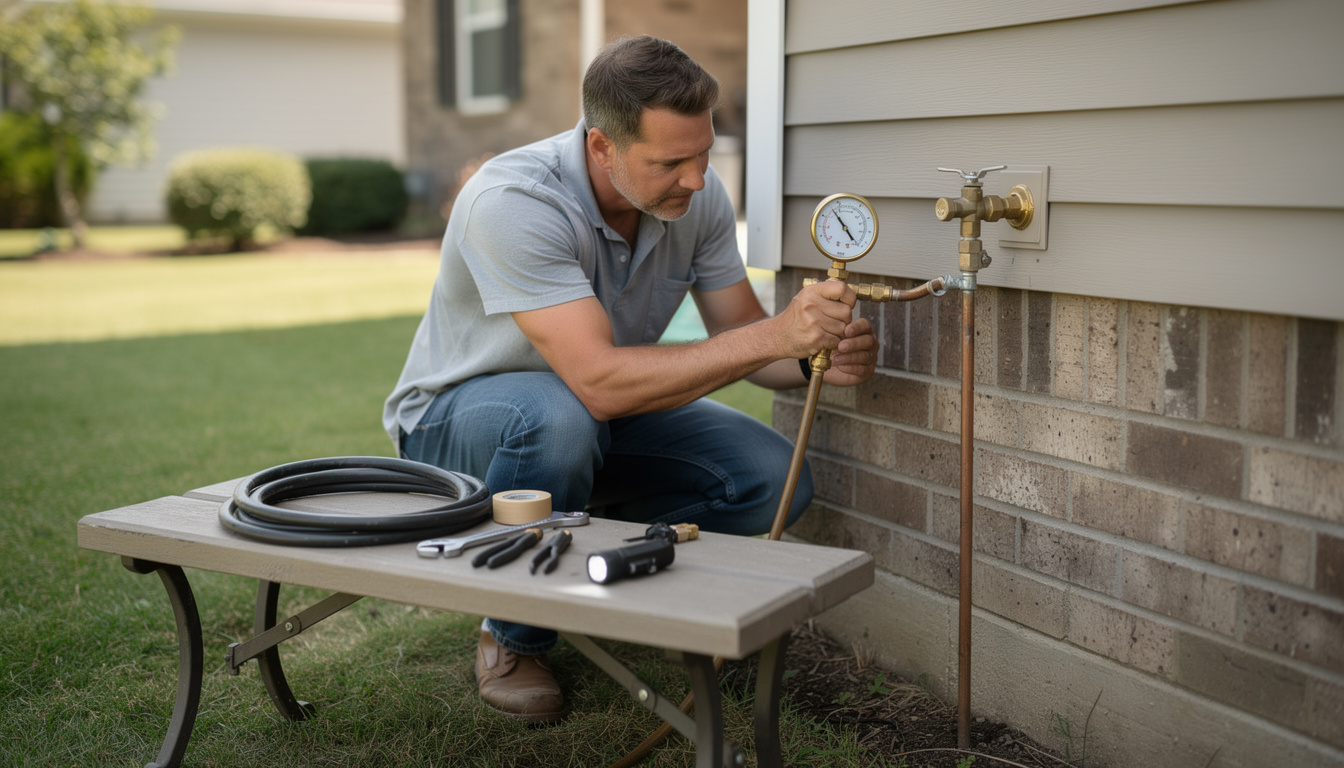
Grab an inexpensive pressure gauge that screws onto a hose bib (outdoor spigot or laundry tap). You’re looking for two numbers: static pressure (no fixtures running) and dynamic pressure (while a faucet is open). Static pressure in many neighborhoods often lands somewhere around 40–80 psi, and many homes aim for a comfortable middle zone. The more revealing number is dynamic pressure—if it plummets hard when you run water, something is restricting supply or you have excessive demand.
Maya reads 65 psi static at the spigot, but when she runs the upstairs shower, it dips to 35 psi. That suggests the source pressure is okay, but the system can’t deliver volume under load. That points toward restrictions, undersized piping, or internal buildup—classic home plumbing realities.
Check the “easy culprits” first (they’re easy for a reason)
Now do the five-minute checks that solve a surprising percentage of cases:
- 🧼 Unscrew faucet aerators and rinse out grit and scale—tiny screens clog fast after utility work.
- 🚿 Soak showerheads in vinegar to dissolve mineral buildup, or swap to a high-performance head designed for low supply.
- 🧰 Confirm all fixture stop valves are fully open (under sinks and behind toilets).
- 🚪 Verify the main shutoff valve is fully open—older gate valves can fail internally and “look open” but restrict flow.
- 🧽 If you have a whole-house filter, check if the cartridge is overdue; a clogged filter can mimic low pressure.
These steps aren’t glamorous, but they’re diagnostic gold. If cleaning aerators instantly fixes one room, you’ve learned something specific. If nothing changes, you’ve ruled out the simplest constraints and can move on with confidence. The key insight: measure first, then chase the cause, not the feeling.
Fix common home plumbing restrictions: valves, clogged pipes, and fixture bottlenecks
Once you’ve confirmed the symptom pattern, you can tackle restrictions like a pro. Restrictions are what make a shower feel weak even when the pressure number looks “fine” at the hose bib. In older systems, the usual suspects are internal corrosion, mineral scale, partially failed valves, and fixtures that are quietly blocked.
Maya’s house has copper and PEX, which is good news—less likely to be severely corroded like old galvanized steel. But she also has a few transitional fittings and one older shower valve body that might be catching debris. That mix is common: one “legacy” component can drag the whole experience down.
Pinpoint where the restriction lives
A practical method is to work from the fixture backward. If one shower is weak, compare it with another. If both upstairs showers are weak, look at the branch serving the second floor. If only hot is weak, suspect the water heater’s shutoff, the heat trap nipples, or scale at the heater outlet. If only cold is weak, look for a filter, a softener bypass, or a partially closed valve on the cold trunk.
For clogged pipes, symptoms often include: gradual decline over months, worse at peak demand, and “burst then fade” behavior when you first open a tap. That can happen when debris shifts and then re-settles at a choke point.
Pipe maintenance that improves flow without tearing walls apart
Pipe maintenance is less about scrubbing pipe interiors (you usually can’t) and more about managing the conditions that create buildup and restrictions. If mineral scale is a factor—common in hard-water areas—consider whether a softener is working correctly or whether a descaling/flush routine is appropriate for your water heater. On tankless heaters, inlet screens can clog and throttle flow; cleaning them is a “small job, big difference” task.
In some homes, a targeted fix is to replace old multi-turn stop valves or failing gate valves with modern full-port ball valves. “Full-port” matters because it preserves internal diameter, reducing loss. This can be a quiet upgrade that makes fixtures feel noticeably stronger under load.
When pipe replacement is the sensible move
If your home still has galvanized supply lines, pipe replacement is often the only durable solution once internal rust scaling takes over. Partial replacements can help, but they sometimes shift problems to the remaining old sections. A good plumber will map your system, estimate remaining service life, and prioritize the worst runs first (often the main trunk and the lines to high-demand fixtures).
Think of it like clearing a traffic jam: widening one on-ramp won’t fix the highway if the main lanes are reduced to a single clogged bottleneck. The closing insight here is simple: restore diameter and remove choke points, and your “pressure problem” often vanishes.
Pressure regulator and supply issues: set the right pressure safely (and legally)
If the entire house feels weak, and your measurements confirm low static pressure, it’s time to talk about the pressure regulator (also called a PRV). Many homes have one where the water line enters the building. It’s designed to protect fixtures and appliances from excessive municipal pressure swings, but when it fails—or is set too low—it can make your whole home feel underpowered.
Maya finds a bell-shaped PRV near the main shutoff. It’s original to the house. That’s a clue: regulators age, springs weaken, internal seats wear, and mineral debris can interfere with the mechanism. The result is inconsistent delivery—sometimes fine, sometimes disappointing, sometimes slowly declining.
How to tell if the PRV is the issue
Common PRV signs include: consistently low static pressure at the hose bib, pressure that drifts over days, or a “creep” effect (pressure rises when no water is used, then drops fast when a tap opens). A gauge with a lazy hand (one that records max pressure) is handy because it captures spikes and creep while you’re away.
If your static reading is low and there’s a PRV installed, adjustment might help. But adjustment isn’t always the right play; if the regulator is failing, cranking it up can be temporary or unstable. Also, local codes and appliance ratings matter—too high can stress supply lines, dishwasher solenoids, and washing machine hoses.
Adjustment vs replacement: what’s smarter?
In many cases, replacing an old PRV is the cleanest fix, especially if it’s decades old. Replacement also lets you add a pressure gauge port or an isolation valve arrangement that makes future service easier. If you do adjust, do it gradually, re-check with the gauge, and confirm that pressure stays stable under normal household demand.
One more piece people forget: if a PRV is installed, a thermal expansion tank on the water heater is often required. Without it, pressure can spike as water heats and expands, stressing the system. This isn’t about fear—it’s about a balanced home plumbing setup that performs well and lasts.
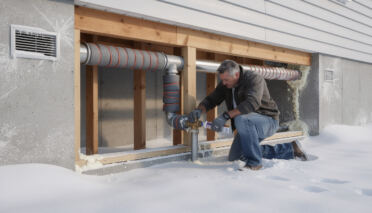
When the problem is outside the house
Sometimes the city supply is genuinely low, or your service line is undersized or partially obstructed. If your neighbors report similar issues, that’s a clue. If your readings are low right at the first test point (closest to where water enters), internal fixes won’t fully solve it. You may need to talk to the utility or consider a boosting solution. The insight: get the “baseline” right first, because everything else depends on it.
Leak detection and hidden losses: stop pressure drops and prevent damage
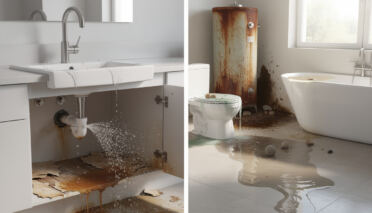
Not every weak shower is a restriction. Sometimes you’re losing water before it ever reaches the fixture. Even small leaks can rob performance when demand is high, and bigger leaks can drop pressure dramatically—plus they create the kind of repair bill that ruins a weekend.
Maya’s dynamic pressure drop suggests restriction, but she still runs a basic leak detection routine because it’s fast and it can reveal silent problems. The classic test uses your water meter: turn off all water inside and outside, then watch the meter’s leak indicator (often a small spinning dial). If it moves, you have flow somewhere you didn’t ask for.
Do a structured leak hunt (without getting paranoid)
Here’s a practical order that keeps you sane:
- 🔧 Toilets: add dye to the tank and see if it seeps into the bowl without flushing.
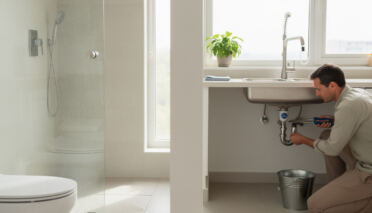
- 🚰 Under-sink cabinets: check for slow drips, corrosion, and wet spots around shutoffs.
- 🌿 Outdoors: inspect hose bibs, irrigation valves, and any soft, persistently wet soil near the service line.
- 🏠 Water heater: look for moisture at the T&P valve discharge pipe and around fittings.
- 👂 Quiet listening: at night, listen near walls where supply lines run—hissing can reveal pinhole leaks.
In 2026, a lot of homeowners also use inexpensive acoustic sensors or smart water monitors that alert you to continuous flow patterns. These don’t replace a plumber, but they’re great at catching “I didn’t notice it” leaks before they become “I can’t ignore it.”
Why leaks can feel like low pressure (even when pressure is normal)
A leak creates an alternate pathway. When you open a faucet, some of the available volume diverts to the leak. In mild cases you don’t notice until you run multiple fixtures; in severe cases, everything feels weak all the time. Leaks also introduce air and debris into lines, which can cause sputtering and inconsistent delivery at faucets.
If the meter test is positive and you can’t find the leak, don’t keep guessing. Professional location tools—thermal imaging, acoustic correlators, and pressure testing—can pinpoint the issue with minimal damage. The key takeaway: a strong system isn’t just about boosting; it’s about not losing what you already have.
Pressure booster or water pump options: when boosting makes sense (and when it’s a band-aid)
If your baseline supply is genuinely low, or your home layout fights gravity (long runs, multiple floors, lots of bathrooms), boosting can be a game changer. But the order matters: fix restrictions and confirm there are no leaks first. Installing a pressure booster on a system with clogged pipes is like turning up the radio to ignore a weird engine noise—louder, not healthier.
Maya’s neighborhood has decent static pressure, so she probably doesn’t need a booster. But let’s say she lived at the end of a long rural line or had a private well system. In those cases, a properly selected water pump or booster set can stabilize pressure and keep showers consistent even when multiple fixtures run.
Boosting scenarios: city water vs well systems
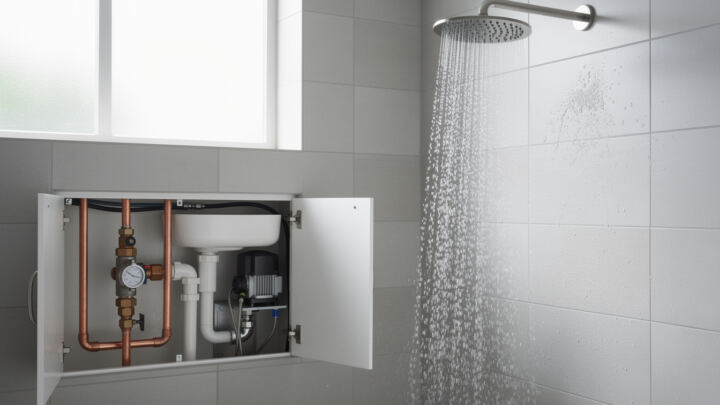
On municipal supply, a booster system typically includes a pump, a controller, and sometimes a small tank. The controller senses demand and ramps the pump to maintain target pressure. On well systems, you’re often dealing with a well pump plus a pressure tank and a pressure switch; issues can come from an undercharged tank, a failing switch, or a pump nearing end-of-life.
Boosting also interacts with fixtures and appliances. Too much pressure can cause noisy pipes, valve chatter, and premature wear. That’s why pairing boosting with a healthy pressure regulator strategy (or integrated controls) matters.
A practical comparison table for common fixes
| Fix 🛠️ | Best for ✅ | Typical effort ⏱️ | Watch-outs ⚠️ |
|---|---|---|---|
| Clean aerators/showerhead 🚿 | Single fixture low flow | 15–30 min | Scale returns if hard water isn’t addressed |
| Replace/upgrade shutoff valves 🔩 | Restricted branch lines | 1–2 hrs | Old piping can be fragile during work |
| Service/replace PRV (pressure regulator) ⚙️ | Whole-house low static pressure | 1–3 hrs | May require expansion tank review |
| Install pressure booster 🚀 | Low incoming pressure; multi-story demand | Half-day+ | Don’t boost past safe limits; noise/vibration control |
| Pipe replacement 🧱 | Chronic restrictions, old galvanized, repeated leaks | 1–5 days | Access, patching walls, permits, coordination |
Make boosting feel good, not gimmicky
If you go the booster route, size it to your peak demand (showers, laundry, dishwasher overlap) and ensure it can deliver stable pressure without cycling rapidly. Add vibration isolation, consider sound control, and keep serviceability in mind (valves, unions, filters). Done right, boosting feels like your house suddenly “caught up” to modern expectations.
The insight to end on: the best boost is the one you barely notice—because everything just works, every time.
Why is my water pressure fine at one faucet but terrible in the shower?
That’s usually a local restriction, not a whole-house supply issue. Check the showerhead for mineral scale, clean the inlet screen if the model has one, and consider debris in the shower valve cartridge. If only the upstairs fixtures are weak, a partially closed branch valve or a restricted line feeding that level can be the real culprit.
How do I know if I need a pressure booster or just plumbing fixes?
Measure static and dynamic pressure at a hose bib with a gauge. If static pressure is low everywhere (right near where water enters the home), boosting may help. If static is normal but pressure drops a lot when water runs, focus on restrictions (filters, valves, clogged pipes) or hidden demand from leaks. Fix the basics first so you’re not boosting through a bottleneck.
Can adjusting the pressure regulator damage my plumbing?
Yes, if you set it too high or if the regulator is failing and behaves unpredictably. Higher pressure can stress appliance valves, hoses, and older joints. Adjust gradually, re-check with a gauge, and keep pressure within a safe range for your home’s materials and local codes. If the PRV is old, replacement is often more stable than repeated tweaking.
What’s the fastest leak detection check I can do today?
Use your water meter: shut off all fixtures and appliances that use water, then watch the meter’s leak indicator. If it still moves, water is flowing somewhere. Toilets are the top culprit, so do a dye test in the toilet tank next. If the meter shows flow but you can’t locate the leak, a plumber can pinpoint it with pressure tests and acoustic tools.
When is pipe replacement the only real fix for low pressure?
When the pipe interior has lost significant diameter from corrosion or mineral buildup—common with old galvanized steel—or when you’re dealing with repeated pinhole leaks and chronic restrictions. If multiple fixtures struggle and cleaning/valves/PRV work doesn’t restore performance, a repipe (often staged by priority) becomes the most durable way to regain strong water flow and stable pressure.