Most home plumbing issues don’t show up with a cinematic burst pipe moment. They creep in like background noise: a faucet that “only drips at night,” a toilet that refills when nobody’s using it, a shower that suddenly feels like it’s on low battery. The annoying part is how quickly small stuff turns into expensive stuff—especially when water finds a way behind drywall or under flooring. The good news is that a lot of everyday problems can be handled with calm troubleshooting, basic tools, and a little strategy.
In real homes, it’s rarely just one thing. A “simple clog” can actually be a mix of hair, grease, and mineral scale. Low pressure might be a half-closed supply valve, but it can also hint at a hidden leak. And in newer builds, you can even get weird surprises like construction debris stuck in lines. The goal here isn’t to turn you into a full-time plumber; it’s to help you recognize what’s safe to DIY (like clog removal in a sink trap) and what needs a pro (like anything involving a water heater electrical circuit or a suspected gas issue). If you can spot patterns early and do smart maintenance, you’ll prevent the big, messy emergencies.
- 🚰 Spot the difference between “annoying” and “urgent” plumbing symptoms (pressure drops, discolored water, weird bills).
- 🧰 Use the right first tools: plunger, drain snake, flashlight, adjustable wrench—before you reach for harsh chemicals.
- 🧼 Handle everyday drain cleaning and clog removal safely, and know when repeated clogs point to bigger problems.
- 🕵️ Do basic leak detection at home (meter checks, dye tests, listening for running water) to stop hidden damage.
- 🔥 Treat water heater issues and anything gas-related as “call a pro” territory for safety.
- ❄️ Prevent winter disasters with pipe insulation and quick action if pipes freeze.
- 📸 In emergencies, shut off water fast, document damage, and avoid risky DIY moves.
DIY Plumbing Basics: Safe Troubleshooting, Leak Detection, and When to Stop
Let’s keep it real: the fastest way to “fix” a problem is usually to stop the damage first. Before you touch anything, find your main shutoff valve and confirm it actually works. In a lot of homes, it’s near the water meter, a basement wall, or where the line enters the house. If you ever face a burst line or major leak, that valve is your superhero cape.
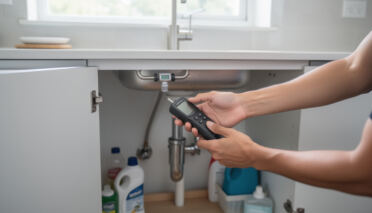
Next up, do quick leak detection without turning your house into a science experiment. One of the easiest checks is the water meter test: turn off all fixtures, ice makers, and dishwashers, then watch the meter. If it still moves, you’ve got a hidden leak somewhere. It’s not glamorous, but it’s the kind of move that can save you from moldy baseboards and warped flooring.
Here’s a simple “do this first” flow that keeps you from spiraling into random repairs:
- 🧯 Shut off water locally (under-sink stops) or at the main if needed.
- 🔦 Look: moisture, corrosion, stains, bubbling paint, warped cabinet bottoms.
- 👂 Listen: running toilet hiss, water hammer, dripping inside walls.
- 🧻 Test: paper towel around joints; it shows tiny leaks instantly.
- 📱 Document: quick photos help if you need a warranty claim or a plumber.
Now, about “when to stop.” If you’re dealing with sewage smell, repeated backups, or water coming up from a floor drain, you could be looking at a sewer backup. That’s not a “keep trying different chemicals” situation. That’s a “stop using water and call for help” situation. The same goes for any suspected gas issue: if you smell gas or feel symptoms like headaches and nausea, get out and contact the utility or a licensed professional immediately.
To make this practical, here’s a quick table you can save mentally. It’s not perfect, but it’s a solid reality check.
| Problem sign | Likely cause | DIY first step | When to call a pro |
|---|---|---|---|
| 🚿 Low pressure in one faucet | Aerator clogged, cartridge issue | Clean aerator, try a faucet fix kit | If pressure stays low across the house ⚠️ |
| 💧 Drips under sink | Loose slip nut, worn washer | Tighten gently, replace washer | If cabinet base is swollen or leak returns fast 😬 |
| 🚽 Toilet keeps refilling | Flapper or fill valve | Dye test, basic toilet repair | If multiple toilets do it (pressure/regulator issue) 🧑🔧 |
| 🕳️ Slow drain in tub | Hair/soap buildup | Plunger + snake + drain cleaning | If gurgling + smell suggests vent/sewer trouble 🤢 |
| 🌊 Water in yard | Broken line or poor drainage | Turn off irrigation, inspect downspouts | If it’s constant or near foundation 🧱 |
If you own a newer home, don’t assume you’re immune. Some builds develop issues within a decade due to installation quirks or debris left in lines. A neighbor of “Jake on Maple Street” learned that the hard way when three homes on the block had the same kitchen drain issue—turns out it was a sloppy slope on the same run. The takeaway: patterns matter, and that’s a good lead into clearing clogs the smart way.
Clog Removal and Drain Cleaning: Sinks, Showers, and Main Line Warning Signs
Clogs are the classic home plumbing headache, but not all clogs are equal. A bathroom sink that drains slow is usually a local problem—hair, soap scum, toothpaste sludge. A kitchen sink clog is often grease and food buildup. And then there’s the “whole house is acting weird” scenario: gurgling, multiple slow drains, water backing up in a tub when you flush. That last one is where you start thinking about a developing sewer backup or main line restriction.
Start with the least dramatic option. A plunger is underrated, and it’s not just for toilets. For sinks, block the overflow opening with a damp cloth and plunge with a tight seal. For tubs, cover the overflow with tape or a wet rag. You’re trying to build pressure and pull the clog loose, not just splash around angrily.
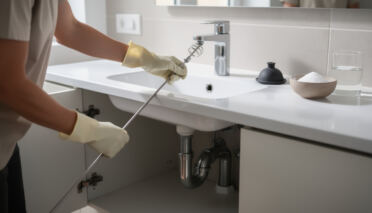
If plunging doesn’t do it, move to a drain snake (hand auger). This is where you win at clog removal without melting your pipes. Chemical drain openers can damage older lines and aren’t friendly to septic systems or the environment. Plus, if you end up calling a plumber, chemicals in the line make their job nastier and riskier.
Kitchen drain clogs: grease is the long game (and you’re losing if you ignore it)
Kitchen clogs are often a “death by a thousand meals” situation. Grease doesn’t usually clog instantly; it coats the inside of the pipe, grabs onto food particles, and slowly narrows the opening until one random Tuesday your sink becomes a soup bowl. The fix is rarely one-and-done. You want mechanical clearing plus better habits.
- 🍳 Avoid pouring grease down the drain; wipe pans with paper towels first.
- 🧊 Run cold water when using the disposal (hot water can liquefy grease and carry it farther before it solidifies).
- 🧼 Monthly drain cleaning: hot water flush + a gentle enzyme cleaner (not caustic chemicals).
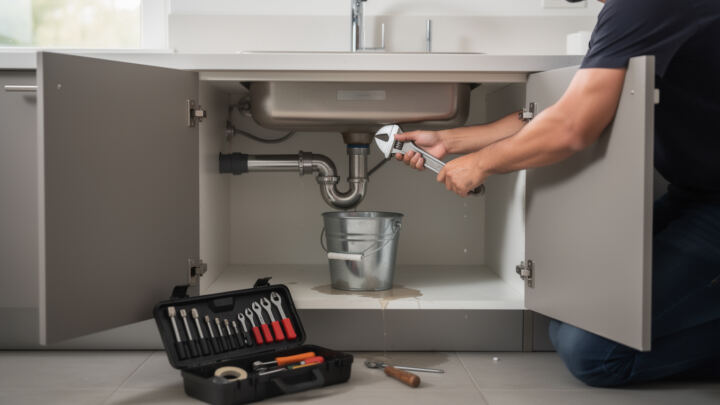
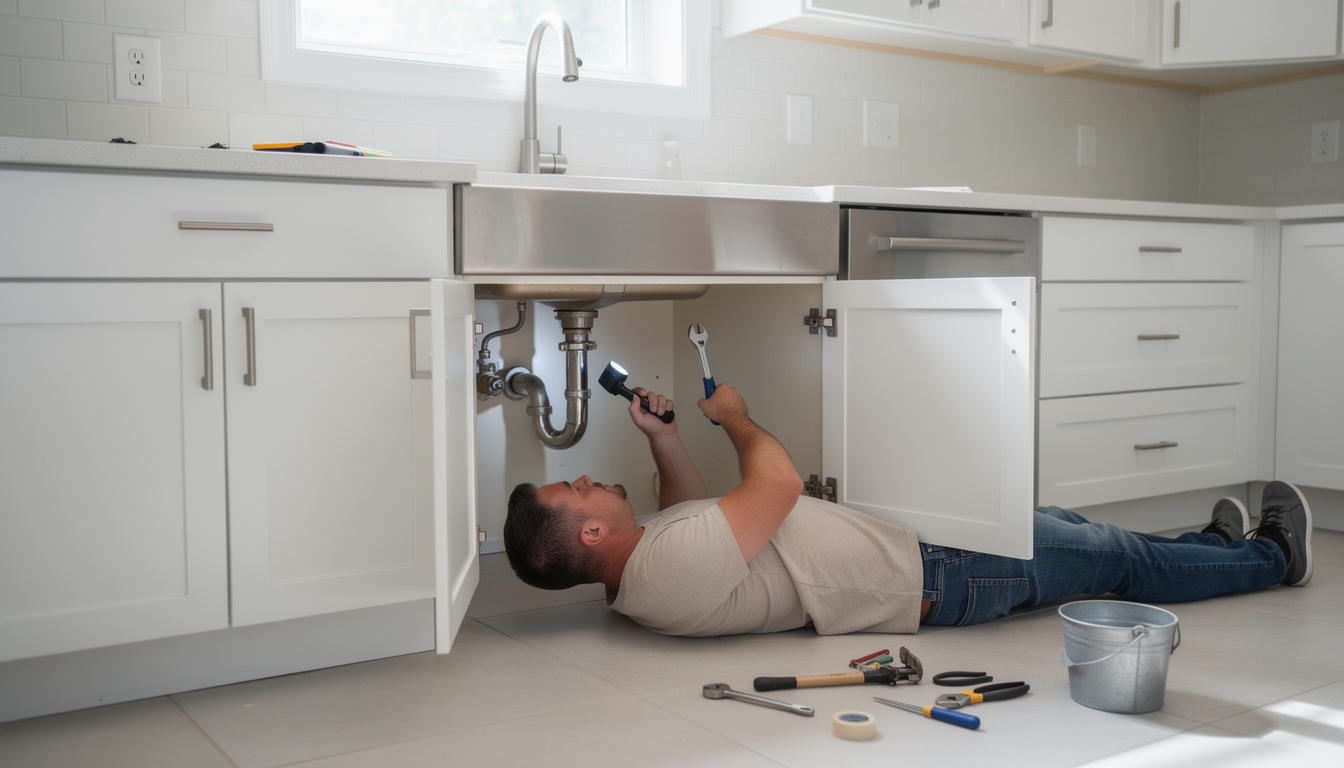
If the clog is right under the sink, the P-trap may be the culprit. Put a bucket underneath, loosen the slip nuts, and check for gunk. This is one of those satisfying DIY moments: gross, but satisfying.
Bathroom clogs: hair + mineral scale can turn “small” into stubborn
In many areas, hard water leaves calcium and magnesium deposits that narrow drain lines over time. That’s why a tub can clog more often even if you’re using a hair catcher. If you’re repeatedly snaking the same drain every couple of months, it may be more than hair—it may be scale buildup, partial collapse, or poor slope.
Jake’s second lesson: he kept snaking the shower every six weeks. When a plumber finally scoped it, there was a sag in the line where debris settled. A proper pipe repair solved what DIY never could. The insight is simple: recurring clogs are a symptom, not a personality trait of your bathtub.
If you want a visual walkthrough, this is a solid search to pull up step-by-step demos.
Once drains behave, the next most common money-drain is “invisible” water loss—drips, running toilets, and tiny leaks that quietly punish your utility bill. Time to hunt those down.
Faucet Fix and Toilet Repair: Stop Drips, Stop Running, Stop Paying for Wasted Water
A single drip seems harmless until you live with it for months and start noticing your water bill creeping up. Even without quoting exact numbers, the math is brutal: a consistent drip becomes a steady waste stream over time. The bigger issue is that leaks rarely stay polite. Mineral buildup accelerates wear, and moisture invites corrosion.
Easy faucet fix: O-rings, cartridges, and the “don’t over-tighten” rule
Most common faucet leaks come down to worn seals or cartridges. If your faucet drips from the spout, it’s usually a cartridge/washer issue. If it leaks around the handle, it’s often an O-ring. Hardware stores sell repair kits, and many brands have replacement cartridges that match by model.
Basic workflow: shut off the local valves, plug the drain (tiny screws love disappearing), disassemble carefully, and lay parts out in order. The secret weapon here is taking a quick photo before you remove anything—future you will be grateful.
One thing people mess up: cranking down on fittings like they’re tightening a lug nut. Over-tightening can crack plastic parts or deform washers, making the leak worse. Snug is usually enough.
Running toilets: the quiet bill-booster
If you hear the tank refilling randomly, you’ve got a classic running toilet. Start with a dye test: put a few drops of food coloring in the tank and wait 10–15 minutes without flushing. If color shows up in the bowl, the flapper isn’t sealing. That’s the cheapest and most common toilet repair.
If the water level is too high and spilling into the overflow tube, adjust the float or replace the fill valve. These parts are designed for replacement, and it’s a straightforward job with minimal tools.
But here’s the twist: if multiple toilets start acting up around the same time, don’t just replace parts blindly. It can signal pressure issues or sediment. This is where a plumber can check regulators and overall system behavior—especially in homes where problems pop up within 10–15 years due to original installation shortcuts.
Want a visual guide for a flapper and fill valve swap? This search gets you there fast.
When fixtures are behaving but you still have low pressure, discolored water, or mystery spikes in bills, you’re stepping into “system-level” territory—water lines, heaters, and leaks you can’t see.
Low Water Pressure, Dirty Water, and Unusual Bills: Tracking Hidden Leaks and Water Line Problems
Low pressure is one of those issues that feels minor until it ruins your mornings. If it’s just one faucet, the fix can be simple: clean the aerator, check the cartridge, or verify the shutoff valve under the sink is fully open. But if the whole house feels weak—multiple fixtures, hot and cold—take it seriously. It can point to leaks, blocked lines, or a failing pressure regulator.
Water line leaks: what homeowners notice first
Your water line is the underground connection between the municipal main and your home. If it’s compromised, you may see low pressure, cloudy or dirty water, or soggy patches in the yard. Sometimes you’ll notice a hiss near where the line enters the home, or you’ll get that “why is my bill higher when nothing changed?” moment.
For unusual bills, start with the boring step: confirm the bill is accurate with the utility provider. Errors happen. If the bill checks out, go back to that water meter test. If the meter moves with everything off, you’ve got a leak somewhere—possibly a toilet flapper, possibly a hidden pipe joint, possibly an underground line.
Dirty water: not just gross, sometimes a warning
Discolored water can show up after local maintenance, hydrant flushing, or backflow testing in the neighborhood, and it often clears within hours. But if you’re seeing muddy or rusty water that doesn’t improve, treat it as a sign of trouble: corrosion, disturbance in the line, or a break letting sediment in.
A practical test is to run cold water for about 20 minutes at the affected fixture and see if clarity improves. If it doesn’t, stop guessing. You don’t want to “wait it out” while sediment damages appliance valves and faucet cartridges.
Pipe repair realities: what you can do and what you shouldn’t
Homeowners can sometimes handle minor joint leaks: tighten a compression nut, replace a washer, or swap a section of exposed supply line. But real pipe repair inside walls, under slabs, or on the main water line often requires specialized tools and permits, plus knowledge of local code.
And if you own a newer home, watch for subtle early-life issues: construction debris in pipes, poorly supported runs that vibrate, or improper slope on drains. Scheduling a professional inspection every so often is less exciting than a new TV, but it’s cheaper than repairing a ceiling after a slow leak turns into a collapse.
Pressure, water quality, and bills are your “dashboard lights.” Next up: the stuff that can’t be treated casually—water heater problems, freezing pipes, and emergency moves that keep your home intact.
Water Heater, Frozen Pipes, Yard Water, and Emergencies: Practical Moves That Prevent Big Damage
Some plumbing issues invite DIY. Others invite risk. A water heater sits firmly in the “respect it” category because it mixes water with electricity (or gas) and can cause serious injury or property damage if handled wrong.
Water heater trouble: common symptoms and smart first checks
If your hot water runs out fast, fluctuates between hot and lukewarm, or smells odd, the cause could be sediment buildup, thermostat issues, installation problems, or a leak. You can safely do a couple of low-risk checks: verify the temperature setting isn’t cranked too high, look for moisture around the base, and listen for popping sounds that suggest sediment. Then stop there and bring in a professional for diagnostics and repairs.
In many households, sediment accumulation becomes noticeable over years, especially with hard water. That doesn’t mean you need a new unit immediately, but it does mean maintenance matters. A professional can flush the tank, inspect anode rods, and confirm safe operation.
Frozen pipes and pipe insulation: winter prep that actually works
Frozen lines can burst, and the damage usually shows up when things thaw—right when you think you’re safe. Prevention is easier than cleanup. Add pipe insulation to vulnerable runs (crawl spaces, garages, exterior walls), and keep cabinet doors open during cold snaps to let warm air circulate.
If a pipe freezes, turn off the water and warm it gradually using a hair dryer and warm towels. Avoid open flames. The goal is controlled thawing, not a fire hazard. Once thawed, check for leaks immediately because splits can be tiny at first and then widen under pressure.
Standing water in the yard: gutters, downspouts, sprinklers, or a broken line?
Pooled water can come from simple grading issues or a clogged downspout, but it can also hint at a leaking water line. After heavy rain, walk the perimeter and check where water collects. Fill low spots and keep gutters clear, because repeated saturation can weaken soil near the foundation.
Plumbing emergencies: the do’s and don’ts that matter
- ✅ 🚰 Do shut off your water supply immediately if there’s active flooding.
- ✅ 📞 Do contact a qualified plumbing service for major issues.
- ✅ 📸 Do take photos or video for insurance and repairs.
- ❌ 🛠️ Don’t attempt major repairs alone if you’re not confident—this is where small mistakes get expensive.
- ❌ ⚡ Don’t leave electrical panels powered if water is near outlets or wiring.
- ❌ 🧪 Don’t dump harsh chemicals into drains, especially if you suspect a sewer backup.
Gas leaks: the one problem you never “DIY”
Gas leaks can happen alongside other home system failures or after natural events. If you suspect a gas leak, treat it as urgent: leave the area and contact the utility company or a licensed professional. Detection and repair require proper instruments and training, and it’s not worth gambling with.
All of this sounds like a lot, but it’s really one mindset: handle what’s safe, prevent what’s predictable, and get help fast when the risk is high.
What’s the fastest way to confirm a hidden leak at home?
Do a simple leak detection check using your water meter: turn off all water-using appliances and fixtures, then watch the meter. If it still moves, water is flowing somewhere and you likely have a hidden leak worth investigating with a professional.
Is chemical drain cleaner safe for clog removal?
It’s usually not the best option. Harsh chemicals can damage certain pipes, create fumes, and make future drain cleaning harder for you (or a plumber). A plunger and a drain snake are safer first steps for most clogs.
Why does my toilet randomly start running even when nobody flushed?
Most often it’s a worn flapper letting water leak from the tank into the bowl, which triggers the fill valve to refill. A dye test in the tank can confirm it, and basic toilet repair parts are inexpensive to replace.
What should I do if I suspect a sewer backup?
Stop using water in the home (don’t flush, don’t run sinks), avoid chemical treatments, and call a professional. Sewer backup conditions can involve contamination and may require specialized equipment like camera inspection and main line cleaning.
How can I prevent frozen pipes during cold snaps?
Use pipe insulation on exposed lines, seal drafts, and let warm air circulate by opening cabinet doors under sinks. If a pipe freezes, shut off the water and thaw it gradually with a hair dryer and warm towels—no open flame.