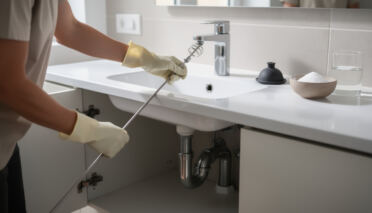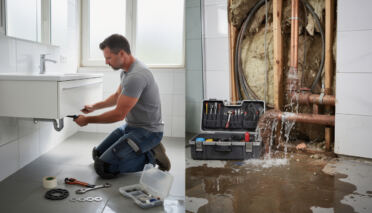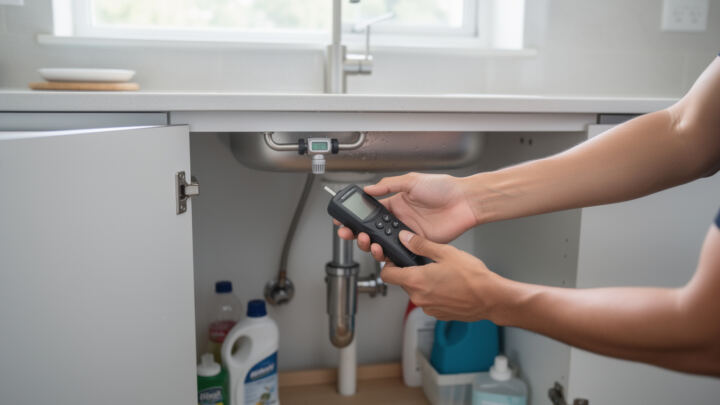
One tiny drip can feel like background noise—until the bill lands, the cabinet base starts to warp, or that faint musty smell shows up after a weekend away. Water leaks are sneaky like that: they steal water, quietly stress your home, and sometimes turn into a full-blown repair marathon when you least have time for it. The frustrating part is that many leaks don’t look dramatic; they look “minor,” like a toilet that runs once in a while or a faucet that never quite stops. Yet those small, steady losses add up fast. The U.S. EPA has long warned that typical household leaks can waste around 10,000 gallons per year—about the water you’d use for roughly 300 loads of laundry. That’s not just money down the drain; it’s also a missed opportunity for water conservation in a world where drought restrictions and rising utility costs are becoming normal conversation.
This guide takes a practical, real-home approach: you’ll learn how to detect leaks using simple checks, how to spot the warning signs before damage spreads, and how to use modern leak detection devices (including automatic shutoff options) to reduce risk. Along the way, we’ll follow a fictional homeowner, Sam, who discovers that a “harmless” bathroom issue was quietly driving up costs—until a few targeted moves improved water efficiency and helped reduce water waste without turning life into a constant plumbing vigil.
En bref
- 💧 Small drips can waste serious water—water leaks often hide in plain sight.
- 🧾 A quick meter check can reveal silent loss and kick-start real leak detection.
- 🚽 Toilets, faucets, and under-sink fittings are top suspects; fast leak repair pays back quickly.
- 🧰 Regular plumbing inspection and pipe maintenance cut the odds of surprise failures.
- 📲 Smart sensors and automatic shutoff valves can limit damage—especially when you travel.
- 🌿 Better habits + targeted fixes = better water conservation and improved water efficiency.
Detect Leaks Early: Real-World Warning Signs and Quick Home Checks
Most people imagine a leak as a burst pipe and a panicked sprint for the shutoff. In reality, the most common household losses are slow, boring, and stubborn: a toilet flapper that doesn’t seal, a worn washer in a faucet, a loose compression fitting under the sink. If you want to detect leaks early, you need two things: a sense for subtle clues and a repeatable routine you can do without turning your Saturday into a chore.
Start with the “sound and sight” sweep. Sam (our homeowner) noticed a faint hiss in the hallway bathroom at night—no one was using water, but the toilet tank was refilling every so often. That intermittent refill is a classic sign of a leaky flapper or fill valve. Another clue was cosmetic: a small brown stain along the baseboard near the vanity. Stains, bubbling paint, curling vinyl flooring edges, and cabinets that smell “damp” are not aesthetic issues; they’re early alerts that moisture is where it shouldn’t be.
Meter tests that expose hidden water leaks
Your water meter can act like a lie detector for your house. Pick a time when no one is showering, running laundry, or watering plants. Note the meter reading, wait 30–60 minutes, then check again. If it changes, you likely have an active loss. Some meters have a tiny “leak indicator” dial that spins even with a small flow; watching it for a minute can reveal a slow leak you’d never notice otherwise.
Sam did this test after a slightly higher bill and found the indicator moving—slowly, but consistently. The culprit wasn’t obvious at first, which is why the meter check is so useful: it tells you there’s a problem even when nothing looks broken.
Targeted checks in the highest-risk zones
Focus your first pass where leaks are most likely to start: under sinks, behind toilets, near water heaters, around washing machines, and at hose bibs. Run a dry paper towel along shutoff valves and trap connections; even a tiny wet line suggests seepage. Look for mineral crust (white/greenish deposits) on fittings—often a sign of long-term micro-leaks that evaporate before you see a drip.
When you spot moisture, don’t just wipe it and move on. Ask: is the drip happening when the fixture runs, or constantly? If it’s only during use, suspect a drain or trap joint. If it’s constant, suspect supply lines or shutoff valves. That mental model keeps your leak detection process focused, not frantic.
Insight to keep: If you can’t explain why something is damp, treat it like active plumbing until proven otherwise.
Water-Saving Tips That Start With Fixes: Leak Repair That Actually Sticks
Here’s the annoying truth: a lot of water-saving tips feel like lifestyle lectures until you handle the basics. Fixing the common leaks first is the fastest way to improve water efficiency without changing how you live. Sam didn’t take shorter showers or stop watering plants; they simply tackled the high-impact offenders and watched the consumption drop.
Toilets: the quiet water hog
A running toilet can waste an astonishing amount of water because it’s persistent. The good news is that many fixes are cheap and quick. Replace a worn flapper, adjust the chain so it isn’t too tight, and confirm the water level sits below the overflow tube. If the fill valve is noisy or slow, swap it out. After Sam replaced the flapper and rechecked the tank level, the random refills stopped—instantly.
A simple dye test helps confirm: add a few drops of food coloring to the tank, wait 10–15 minutes without flushing. If color appears in the bowl, you’ve got leakage past the flapper. It’s low-tech, but it works.
Faucets and showerheads: small drips, big totals
That steady faucet drip is more than a soundtrack. It’s usually a worn cartridge, O-ring, or washer—depending on the faucet type. The repair that “sticks” is the one that matches the faucet design, so take a photo, look up the model, and buy the exact cartridge or kit. If mineral buildup is part of the problem, soak the aerator or showerhead in vinegar, then rinse and reassemble.
Also, don’t forget the less glamorous fix: tightening or replacing supply lines and confirming shutoff valves aren’t seeping from the stem packing nut. These are classic leak repair points under sinks that people miss because they’re out of sight.
Outdoor losses: hoses, spigots, and irrigation
Outdoor leaks are brutal because they can run unnoticed and soak into soil. Check hose washers, replace cracked hoses, and look for wet patches along irrigation lines. If your hose bib drips when off, a vacuum breaker or internal washer may be worn. In many climates, freezing damage is a repeating villain—one winter crack can become a slow leak all spring.
- 🔧 Replace toilet flappers every few years if they’re degrading or misshapen.
- 🚿 Clean aerators to prevent spray patterns that make people crank the tap open.
- 🧼 Re-caulk gaps around tubs and sinks to stop seepage into walls and cabinets.
- 🧯 Don’t ignore “sweating” pipes—insulate them to cut condensation and corrosion risk.
- 🌱 For irrigation, run a zone test monthly and look for pooling or soggy strips.
Insight to keep: Real water conservation often starts with a wrench, not willpower.
If you want a visual walkthrough for common home fixes, it helps to watch a couple of demonstrations before buying parts.
Once you’ve handled the obvious drips, the next level is making sure leaks don’t come back—because prevention is cheaper than repeated repairs.
Plumbing Inspection and Pipe Maintenance: Prevent Leaks Before They Start
Think of plumbing inspection like a yearly health check. You’re not doing it because something is definitely wrong; you’re doing it because hidden issues are expensive. Sam learned this after fixing the toilet and faucet: bills improved, but a faint cabinet smell remained. A closer look under the kitchen sink revealed a slow seep at a compression fitting—tiny, but constant.
Maintain and mind the gaps (the unsexy stuff that works)
A lot of leak prevention looks like basic home care: keep gutters and downspouts clear so water drains away from the foundation instead of backing up toward walls. Seal gaps around sinks, tubs, and showers with quality caulk to stop water from creeping behind tile or into vanity bases. These aren’t “plumbing” tasks in the strict sense, but they prevent the moisture damage that people often blame on pipes later.
Inside the home, insulation matters. Pipes in unheated areas—garages, crawlspaces, exterior walls—are vulnerable during cold snaps. Frozen water expands and can split lines; the pipe may not fully burst until thaw, when it starts leaking. Insulating exposed runs and sealing drafts is practical pipe maintenance, not paranoia.
Pressure, corrosion, and the slow march of wear
High water pressure stresses joints, valves, and appliance hoses. If you’ve got banging pipes (water hammer) or frequent fixture failures, checking pressure and adding/adjusting a pressure regulator can extend system life. Corrosion is another quiet factor—especially in older homes with mixed metals or aging galvanized sections. Watch for discoloration, pitting, or recurring pinhole leaks; that pattern usually means the material is reaching its limit.
Appliances and “behind the scenes” connectors
Washing machines, dishwashers, and refrigerators with ice makers are common leak sources because their hoses are flexible and easy to ignore. Replace old rubber hoses with braided stainless versions, and consider drip pans where practical. Sam swapped an aging washer hose after spotting a slight bulge—one of those “it hasn’t failed yet” warnings that can save you thousands.
| Area to check | What to look for | Best next step | Why it helps |
|---|---|---|---|
| Under sinks 🧼 | Moisture rings, mineral crust, soft cabinet base | Tighten fittings; replace supply line if worn | Stops small losses and prevents cabinet rot |
| Toilet tank 🚽 | Random refills, dye test passes into bowl | Replace flapper/fill valve | Major impact on reduce water waste |
| Water heater 🔥 | Puddling, corrosion, wet TPR discharge line | Inspect valve; consider pro assessment | Prevents sudden failures and damage |
| Exterior spigots 🌦️ | Drips when off, damp siding, winter cracks | Replace washer/vacuum breaker; winterize | Cuts outdoor loss and freeze-related leaks |
| Washer/dishwasher hoses 🧺 | Bulges, brittleness, slow seep at coupling | Upgrade to braided hoses | Reduces risk of catastrophic bursts |
Insight to keep: Good plumbing inspection isn’t about fear—it’s about catching tiny problems while they’re still cheap.
Now, if you want to stop being the “human leak detector,” the next section is where tech earns its keep.
Smart Leak Detection Devices and Automatic Shutoff: Practical Protection That Pays Back
Smart home gear can be gimmicky, but leak detection tech is one of the few categories that genuinely earns its spot. The value isn’t only saving water—it’s limiting damage when a leak starts while you’re asleep, at work, or traveling. Sam’s neighbor learned this the hard way: a washing machine hose failed during a weekend trip, and the cleanup became a months-long flooring and drywall saga.
Point sensors: simple, fast, and surprisingly effective
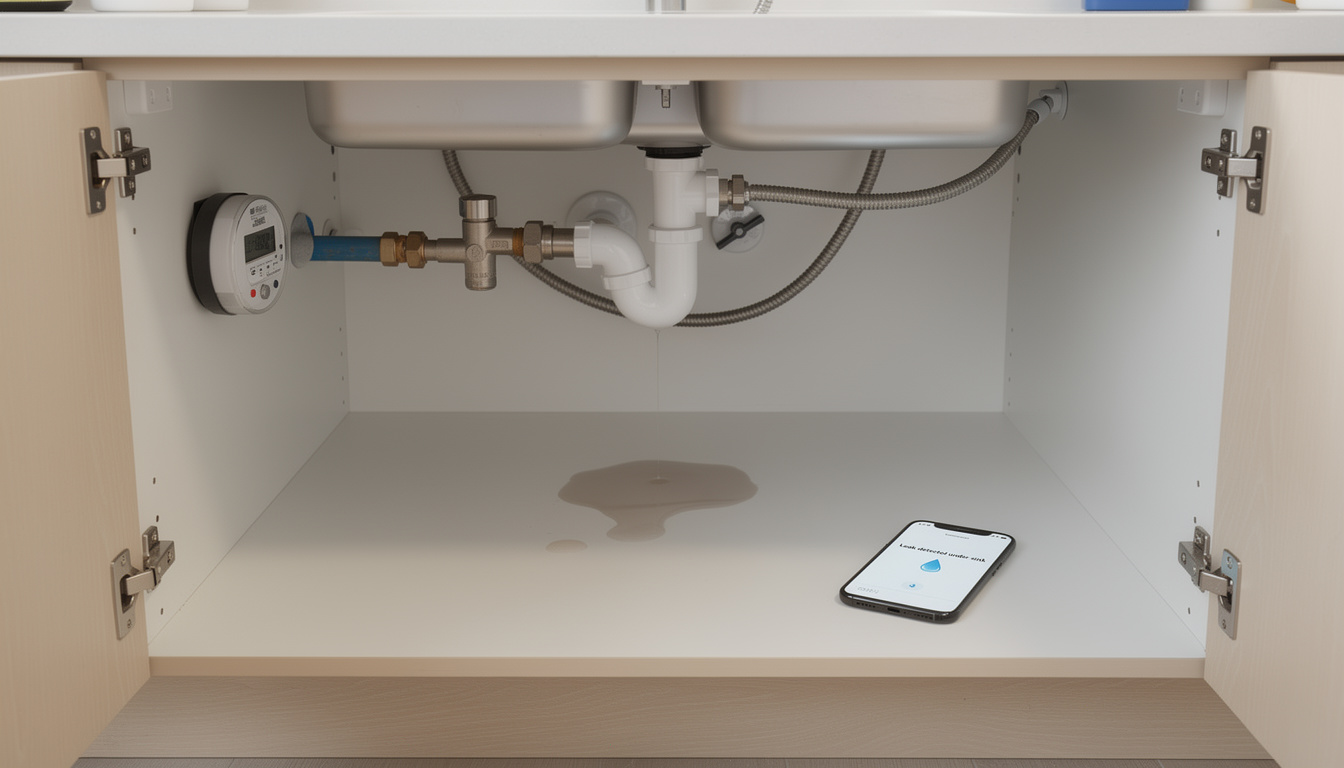
Basic Wi‑Fi leak sensors are designed for high-risk spots: under sinks, behind washing machines, near water heaters, and in basements. When water or high humidity is detected, the sensor sends an alert to your phone. The key is coverage. One sensor is nice; several placed strategically is where you get real protection. Many ecosystems let you name each sensor (“Kitchen Sink Left,” “Water Heater,” “Laundry”) so alerts are actionable instead of vague.
Devices like the First Alert L1 WiFi Water Leak and Freeze Detector are popular because they’re easy to install and work as always-on watchers. The “freeze” angle matters too: in cold regions, early warning helps you respond before a pipe actually splits.
Automatic shutoff valves: stopping the flood at the source
If sensors are smoke alarms, automatic shutoff valves are sprinklers. A smart shutoff valve (for example, the First Alert L5 WiFi Water Leak Shutoff Valve) can be installed on the main supply line—often by a pro installer—and linked to your monitoring system. When a leak is detected (or when abnormal flow is identified, depending on setup), the system can turn off the home’s water automatically and send a notification.
Why is that a big deal? Because water damage scales with time. A slow leak for eight hours can soak subflooring; a fast leak for eight hours can destroy it. Research frequently cited in the industry suggests that a very large share of leak-related damage—often quoted around 93%—could be reduced if an automatic detection-and-shutoff system were in place. Even if the exact number varies by study design, the logic is straightforward: stopping flow quickly limits spread, mold risk, and rebuilding costs.
Real-world savings and claims impact
There’s also a money angle beyond the water bill. In a partnership analysis between Nationwide and Resideo, customers with at least one connected device (including Honeywell Home / First Alert solutions) showed reductions in both frequency and severity of losses, with an average claim cost reduction reported around $4,000. In 2026 terms, when labor and materials remain pricey in many regions, that kind of avoided cost can make the tech feel less like a gadget and more like insurance you control.
One practical tip: test your alerts. Put a sensor on a damp paper towel for a second (follow the manufacturer guidance) and confirm notifications arrive. A system you’ve never tested is a system you can’t trust.
Insight to keep: Smart protection works best when it’s placed where leaks actually start—and when it can shut water off, not just shout about it.
Building a Water Conservation Habit Loop: Routines That Reduce Water Waste Without Stress
Once the repairs are done and the sensors are in place, the best results come from making leak prevention part of normal life. Not a “new personality,” just a habit loop that keeps water efficiency high with minimal effort. Sam’s approach was simple: short monthly checks, seasonal maintenance, and a “fix it this week” rule for anything that drips.
A realistic monthly routine (10 minutes, not a life overhaul)
Set a recurring reminder. Walk through the house with two goals: find moisture and confirm nothing has changed. Check under-sink cabinets with a quick touch test at the back corners. Listen near toilets for refilling. Peek at the water heater pan if you have one. This aligns with the idea behind popular “chase down leaks” checklists: a fast scan catches common issues early, when they’re easiest to solve.
Also glance at your bill or your utility portal. Spikes happen for legitimate reasons (guests, heat waves, sprinklers), but unexplained increases deserve a meter check. That’s how you detect leaks that never show themselves on the surface.
Seasonal pipe maintenance that prevents nasty surprises
In spring, check outdoor spigots and irrigation lines. In fall, disconnect hoses, drain exterior lines if your climate freezes, and insulate any exposed pipes. Clean gutters and verify downspouts move water away from the foundation—because a surprising amount of “mystery dampness” starts as poor drainage, not a broken supply line.
House rules that keep leak repair from becoming “later”
Small drips often linger because they’re not emergencies. So make them slightly urgent in a reasonable way:
- ⏱️ If you see moisture twice in the same spot, schedule the leak repair within 7 days.
- 📸 Take a photo of the fitting/area before you touch it—useful for parts matching.
- 🧾 Keep a tiny log of changes (new hose, replaced flapper, resealed caulk). It helps spot patterns.
- 🧑🔧 If a leak returns after a DIY fix, book a plumbing inspection instead of repeating the same patch.
Sam used this system after the kitchen fitting seep: rather than re-tightening repeatedly, they replaced the compression ring and supply line, then added a small sensor under the cabinet. Problem solved, mental bandwidth restored.
Insight to keep: The easiest way to reduce water waste is to treat tiny leaks like real leaks—because they are.
What’s the fastest way to detect leaks if I suspect one but can’t find it?
Do a water meter test during a confirmed no-use window (30–60 minutes). If the reading changes or the leak indicator moves, you have active flow somewhere. Then isolate by turning off fixture shutoffs one at a time (toilets, under-sink valves) and repeating the test until the movement stops.
Are water leak detectors worth it if I’m home most of the time?
Yes, because many leaks start in places you don’t look daily (behind a washer, under a vanity, near a water heater). Sensors catch problems early and can alert you at night or when you’re out for a few hours. They’re also helpful for second homes, basements, and rentals.
When should I call a plumber instead of doing DIY leak repair?
Call a pro if the leak involves the main line, appears inside walls/ceilings, includes corrosion on multiple joints, or returns after a reasonable DIY attempt. Also call immediately if you see water near electrical outlets, smell burning, or notice sagging drywall.
How do automatic shutoff valves work with smart leak detection?
A shutoff valve is installed on the home’s main water supply. When paired with sensors (or flow monitoring, depending on the model), it can close the valve automatically if water is detected where it shouldn’t be or if abnormal usage suggests a burst. You’ll typically get a phone notification so you can investigate and restore water when safe.
What are the most overlooked water-saving tips that also prevent damage?
Insulating pipes in unheated areas, replacing old appliance hoses with braided versions, keeping gutters/downspouts clear, re-caulking around tubs and sinks, and fixing toilet flappers early. These steps improve water conservation while also reducing the chance of mold, rot, and expensive rebuilds.