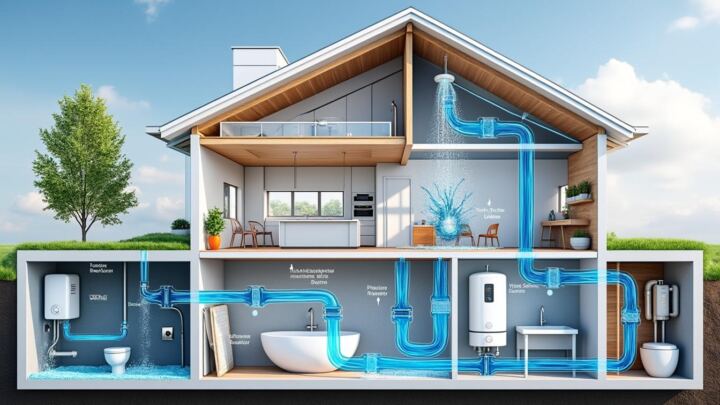
When you turn on a faucet or step into the shower, have you ever paused to think about the intricate system that delivers water to you? Water pressure is one of the unsung heroes behind our daily routines. The way it operates is not just crucial for comfort; it also impacts our plumbing systems, household appliances, and even our water bills. As we dive deeper into understanding how water pressure works in your home, you’ll find that it’s more complex—and fascinating—than you might have imagined. Factors like your home’s distance from the water source, the height of water tanks, and even local regulations can all play a role in determining your water pressure. Unfortunately, when water pressure is too low or too high, it can create a myriad of problems, from annoying dribbles at the faucet to potential damage to your plumbing system. This article aims to lift the veil on water pressure, explaining its mechanics, how to measure it, what affects it, and practical steps to manage it effectively.
Brief
- Water pressure is the force of water moving through your home’s plumbing system, impacting everything from shower experiences to appliance efficiency. 💧
- Typical water pressure for homes ranges from 40 to 85 psi, with 45 to 55 psi being ideal for most households. 📏
- Low water pressure can make daily tasks cumbersome, while high pressure can increase your water bill and possibly damage plumbing fixtures. 🏠
- A water pressure gauge can help you monitor your home’s water pressure easily. 🔧
- If issues arise, installing a pressure-reducing valve can help maintain optimal pressure levels. ⚙️
Understanding the Fundamentals of Water Pressure in Your Home
Water pressure is essentially the force that drives water through your home’s plumbing system. This force is what allows water to flow out of your faucets and showers. The pressure is measured in pounds per square inch (psi), and the optimal range for residential water pressure is typically between 40 to 85 psi. Many homeowners might not give their water pressure a second thought until they experience a noticeable drop in water flow. When you think about it, the pressure is influenced by several factors, including your proximity to a water source and the specifics of your plumbing system.
So how does water get pressurized in the first place? It generally starts at a water treatment facility where water is collected and treated. From there, the water is usually stored in pressure tanks that are often elevated at treatment sites, using gravity to help create pressure. When the water is directed into community water mains, booster stations help maintain consistent pressure throughout the distribution system. The height difference plays a significant role here—higher elevations can create more pressure due to the weight of the water above. This natural physics principle means that the closer you are to these high tanks, often located on hills or elevated ground, the better your water pressure typically is.
- Water Treatment Facility: Water is collected and treated to remove impurities. 🌊
- Elevated Pressure Tanks: These tanks use gravity to create natural water pressure. ⛰️
- Booster Stations: Help maintain pressure as water moves into residential areas. 🚰
Additionally, the plumbing materials used in your home can affect pressure. For instance, older pipes may have buildup and corrosion that reduce the flow of water, thus impacting pressure. A common plumbing material in older homes is galvanized steel, which can corrode over time. In contrast, newer homes often use PEX or PVC pipes which can support better flow characteristics.
| Pipe Material | Advantages | Disadvantages |
|---|---|---|
| Galvanized Steel | Durability | Corrosion over time |
| PVC | Low cost, lightweight | Less durable under high temperatures |
| PEX | Flexible, resistant to corrosion | Potential issues with UV exposure |
The Importance of Measuring Water Pressure
Measuring your home’s water pressure is not just an exercise for plumbing enthusiasts; it’s critical for maintaining a smooth-running household. A water pressure gauge, which can be purchased at hardware stores or online, allows you to check the pressure right at your faucet. Simply attach the gauge to an outdoor hose bib, turn on the water, and read the display. Most models will measure both static and dynamic pressure, giving you a complete picture of how your plumbing is performing.
Why is all this measurement important? Imagine turning on your shower, only to be met with a weak stream of water. This could signify low pressure, making tasks like washing dishes and as simple as rinsing off considerably more frustrating. If the pressure is too high, you may find yourself facing an increased water bill and potentially damaging your plumbing fixtures. For convenience, here’s a breakdown of ideal pressure ranges:
- 30-40 psi: Extremely low, often resulting in frustrating water flow. 🚿
- 40-55 psi: Optimal range for most residential applications. 🏡
- Above 80 psi: Too high; could damage pipes and fixtures. ⚠️
The Effects of Low and High Water Pressure
Understanding the effects of both low and high water pressure is fundamental for any homeowner. Firstly, low water pressure can quickly become a nuisance. Imagine a scenario: you’re in a rush, and you just want to fill the kettle or take a quick shower. Instead, you find yourself standing there waiting for water to fill slowly. Beyond inconvenience, low pressure can also indicate issues like leaks or blocked pipes, especially in older homes, where sediment and corrosion might have built up in the plumbing system.
Conversely, high water pressure is not merely a blessing. Sure, it feels great to have a strong blast of water when you wash the car or take a shower, but it can have its drawbacks. High pressure can lead to premature wear and tear on plumbing fixtures, such as faucets and showerheads from brands like Moen or Kohler. In some unfortunate instances, an unexpectedly high surge in water pressure, known as a water hammer, can cause pipes to rattle or even break. Proper knowledge and monitoring will go a long way to prevent these issues.
Common Household Issues from Inadequate Water Pressure
Let’s run down a list of common issues that arise from problematic pressure:
- Slow-filling toilets and appliances like dishwashers and washing machines. 🚽
- Weak showers that leave you feeling unclean. 🚿
- Water bills that are higher than usual due to compensating for leaks. 💸
- Pipes at risk of bursting from excess pressure or strain from appliances. ⚡
| Pressure Issue | Effect | Potential Solutions |
|---|---|---|
| Low Pressure | Inconvenient flow of water | Check for leaks, clean aerators |
| High Pressure | Risk of pipe damage | Install pressure-reducing valve |
Managing Water Pressure: Solutions and Considerations
Arming yourself with knowledge about managing your water pressure can save you a lot of trouble down the line. If your home is experiencing low water pressure, the first thing to do is check if there are any visible leaks in your plumbing system. Also, ensure that you clean faucet aerators and showerheads, as mineral deposits can restrict water flow significantly.
On the flip side, if it turns out you have high water pressure, consider installing a pressure-reducing valve. A valve placed just after the water meter can help you customize the pressure to the ideal 45-55 psi range. Most modern systems use these valves for optimal performance. Additionally, check with local plumbing regulations to see if you need other devices like an expansion tank, especially if your system uses a water heater.
Additional Tools for Water Pressure Management
There are multiple brands out there that specialize in tools for pressure management like Watts, Aqua-Pure, Culligan, and Pentair. Connecting with a local plumbing expert can be beneficial for understanding which tools would work best for your setup.
- Pressure Gauges: Determine your current psi levels easily. 📏
- Pressure-Reducing Valves: Essential for controlling high pressure. ⚙️
- Filtration Systems: Brands like American Standard can combine filtering and pressure management for optimal results. 🚰
What is the ideal water pressure for homes?
The ideal water pressure for most residential homes is typically between 45 and 55 psi.
How can I test the water pressure in my house?
You can test it by using a water pressure gauge, which threads onto a hose bib.
What causes low water pressure?
Common causes include leaks, clogs, or old plumbing systems. Check aerators and the main supply lines.
Is high water pressure dangerous?
Yes, high water pressure can cause wear and damage to your plumbing fixtures and pipes.
What can I do about high water pressure?
Installing a pressure-reducing valve is a practical solution to control high water pressure.