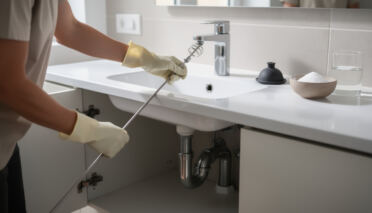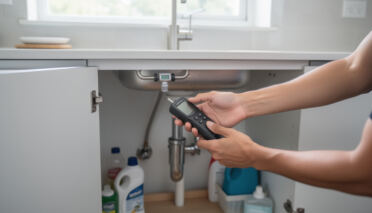
Upgrading your bathroom with a new mixer tap can be a breath of fresh air. It’s a small change that can make a significant impact on both aesthetics and functionality. Whether you’re giving your kitchen a stylish boost or simply replacing a leaky faucet, mastering the art of tap installation is a handy skill to possess. With some basic tools and a bit of time, you can tackle this DIY project with confidence. The best part? It usually takes less than an hour! Let’s dive into the details of installing a new mixer tap, from gathering your materials to troubleshooting any potential issues that might arise.
Brief
- Understanding the purpose of a mixer tap 🛁
- Essential tools and parts for installation 🔧
- Step-by-step guide to removing the old tap and installing the new one 📋
- Troubleshooting common plumbing issues 🚰
- Maintenance tips for a long-lasting installation 🛠️
Why You Should Upgrade to a Mixer Tap
In case you’re wondering why a mixer tap is worth the investment, let’s break it down. A mixer tap combines both hot and cold water into a single outlet, making it incredibly convenient. This means you can easily adjust the temperature without juggling two separate handles. This modern design not only adds a sleek look to your space but also enhances efficiency—perfect for busy households!
Imagine standing at your kitchen sink, ready to fill a pot with water, but fumbling with two handles. With a mixer tap, it’s a swift twist of one lever, and you’re good to go. Not to mention, contemporary designs often come with additional features, such as pull-out sprayers for rinsing. Plus, if your old tap is showing its age with leaks or corrosion, it’s a perfect moment for an upgrade!
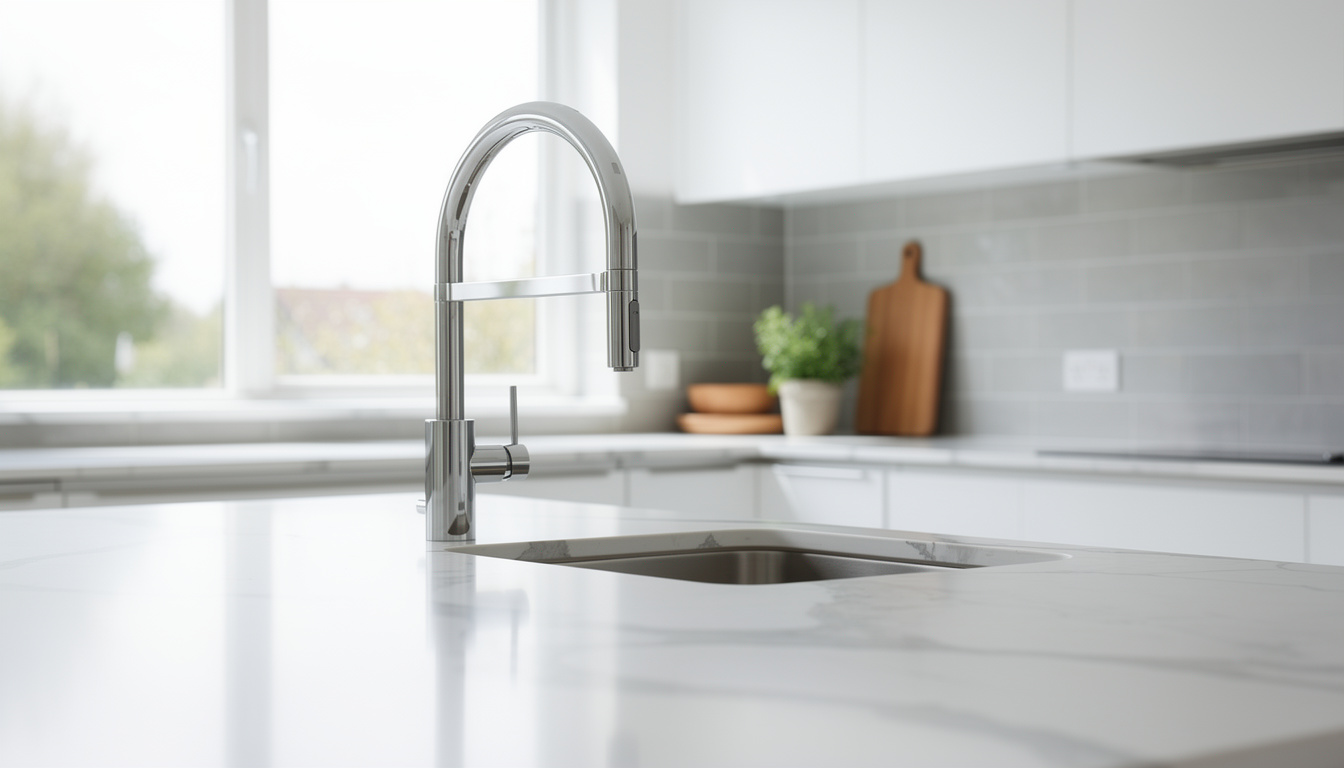
Understanding the Components of a Mixer Tap
Before diving into the installation, it’s essential to familiarize yourself with the parts involved. Most mixer taps come with several components: a threaded bar, tap tails, and sealing washers. Knowing these pieces can help clarify what you’re working with.
- Threaded Bar: This is what anchors the tap in place, securing it to the basin.
- Tap Tails: Flexible hoses that connect the mixer to your water supply lines.
- Sealing Washer: Prevents leaks by providing a watertight seal between the tap and your sink.
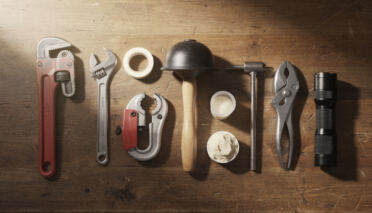
Also, don’t forget to gather everything you’ll need. Not just the mixer tap itself but a pop-up waste, plumber’s tape for sealing threads, and a basic set of tools like a pipe wrench and adjustable pliers. This ensures a smooth installation process without running back and forth for missing items.
The Step-By-Step Process: Installing Your Mixer Tap
Let’s get to the fun part: the installation. Follow these steps carefully, and you’ll have your new mixer tap installed in no time. First, it’s crucial to shut off your water supply. Look for isolation valves located under the sink. If they’re absent, turn off the water at the main supply.
Step 1: Removing the Old Tap
Now that the water is off, you can remove the old tap. Grab your basin wrench or spanner to loosen the nuts securing the old faucet under the basin. Once you disconnect the tap tails from the supply lines, it’s time to lift the old tap out.
Step 2: Installing the New Mixer Tap
Place the new mixer tap into the hole on your sink. Make sure the rubber seal is in place to prevent leaks. Thread the tap tails through, ensuring the tap sits straight and even. Once you’re satisfied, it’s time to secure everything underneath the sink. Position the rubber and metal washers properly, and use the brass nut to fasten the tap in place.
Step 3: Connecting the Water Supply
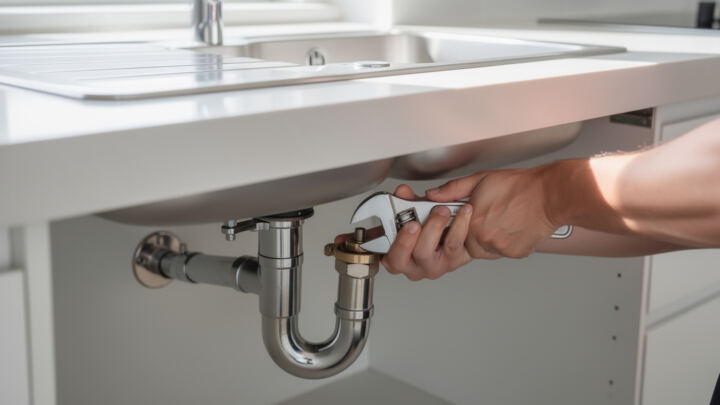
Reconnect the flexible tap tails to your hot and cold supply pipes. Use your adjustable wrench to tighten these connections gently, being careful not to overtighten. This could damage the washers and lead to leaks.
Step 4: Testing for Leaks
After everything is connected, turn on the water supply and check for leaks. Run the faucet and inspect all points of connection: the base of the tap, where the tails connect, and the waste trap. Ensure everything is in good condition and secure!
Troubleshooting Common Issues
Even with the best efforts, you might run into a few hiccups post-installation. If you notice leaks, don’t panic! Here are some common issues and their fixes:
- Leak Around the Waste: Tightening the backnut or applying silicone sealant under the flange can often resolve this.
- Dripping from Tap Tails: Inspect the rubber washers inside the connections—replacing worn ones can fix leaks.
- Loose Tap: A loose tap can be tightened with a basin wrench; ensure all components are snug.
- Slow Drain: Check to ensure your waste trap isn’t clogged and is correctly installed.
Maintenance Tips for Long-Lasting Enjoyment
Once your mixer tap is installed, a little maintenance goes a long way. Regularly check for leaks and inspect the fittings. Clean the aerator occasionally to maintain good water flow. Avoid harsh chemical cleaners that could damage your tap’s finish. Instead, a gentle soap solution and soft cloth will keep it looking brand new!
| Maintenance Tips for Your Mixer Tap | Frequency |
|---|---|
| Check for leaks | Monthly 🗓️ |
| Clean the aerator | Every 3 months 🧼 |
| Inspect all fittings | Biannually 🔍 |
| Use mild cleaners | As needed 🧴 |
What tools do I need to install a mixer tap?
You’ll need a basin wrench, adjustable pliers, plumber’s tape, and basic cleaning supplies.
How long does it take to install a mixer tap?
Typically under an hour, depending on your experience level.
Can I install a mixer tap without professional help?
Absolutely! It’s a manageable DIY project for most homeowners.
What should I do if my faucet starts leaking after installation?
Check all connections and fittings, and consider replacing any worn rubber washers.
How do I clean my mixer tap?
Use a mild soap solution and a soft cloth to avoid scratches.