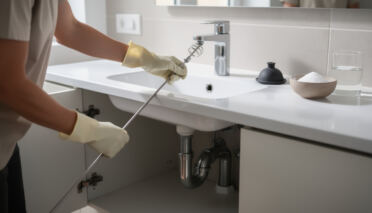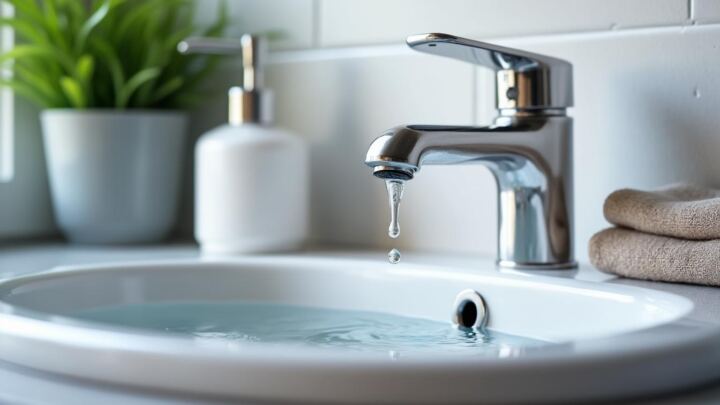
Dealing with a leaky tap in your bathroom is more than just a nuisance—it can escalate into a significant waste of water and a spike in your utility bills if left unchecked. Fortunately, fixing a leaking tap is a manageable DIY task that can save you money and give you a sense of accomplishment. Whether you’re dealing with a slow drip or a more serious leak, knowing the available steps can simplify the process and help you effectively address the issue. This guide will take you through the causes, tools needed, and step-by-step instructions to repair a leaky tap.
Brief
- Understanding the causes of leaks 💧
- Identifying the type of tap you have 🔧
- Collecting necessary tools and supplies 🛠️
- Step-by-step procedures for fixing leaks 📝
- When to call a professional plumber 👨🔧
Understanding Why Your Bathroom Tap Is Leaking
The first step in solving any plumbing problem is diagnosing the issue accurately. Bathroom taps can leak for several reasons, with the most frequent culprit being a worn washer or cartridge. Over time, constant use can wear down these internal components, leading to leaks. Mineral buildup from hard water can cause damage to washers, while corrosion can affect the tap’s overall functionality. In addition, O-rings can deteriorate, screws may loosen, and limescale can accumulate around the valve. Understanding these issues not only aids in repair but also in preventing future problems.
Here’s a deeper look at some prevalent causes of leaks:
- Worn-Out Washers: The rubber or silicone washers can wear out, leading to leaks in compression taps.
- Faulty Cartridges: For ceramic disc and cartridge taps, the malfunction of the cartridge can lead to leaks.
- Deteriorated O-Rings: O-rings can wear out or split due to age and mineral deposits present in hard water.
- Loose Parts: Sometimes, a quick tightening can resolve the leak caused by loose screws or fittings.
- Limescale Buildup: Limescale can erode or clog certain parts, leading to water not sealing properly.

Identifying the Type of Bathroom Tap
Knowing the type of tap you have is crucial before embarking on any repairs. The two most common types of taps are:
- Compression Taps: These taps use rubber washers to control water flow and are more prone to wearing out.
- Ceramic Disc Taps: These modern taps utilize a rotating disc mechanism allowing smoother operation and greater durability.
Identifying your tap type can dictate which parts you’ll replace when fixing the leak. For example, if you have a compression tap, you might need to replace a washer, whereas a ceramic disc tap will typically require a cartridge replacement. To identify the type, often you’ll have to take apart the tap, but don’t worry—this process isn’t complicated!
Tools and Supplies Needed for the Repair
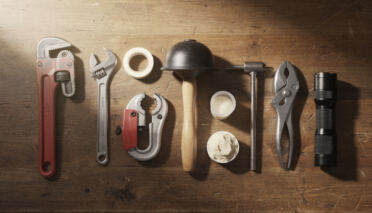
Before you dive in, gather the right tools and supplies to ensure you can complete the repair without unnecessary interruptions. Having everything at hand will save time and help you avoid frustration. Here’s a basic checklist:
- Adjustable spanner or wrench 🧰
- Various screwdrivers (flathead and Phillips) 🔩
- Replacement washers or ceramic cartridges 🔄
- Plumber’s grease for smooth installation 💧
- Cloth or rag to cover chrome surfaces and catch drips 🧽
- Plug for the drain, to prevent small parts from falling in 🛁
- PTFE (Teflon) tape to seal threads 🔒
Having these tools ready makes the repair work significantly easier and more efficient. Keep in mind that specific tap brands like Moen, Delta, or Kohler may have proprietary parts that require you to obtain exact replacements, so check your tap’s manual or manufacturer’s website for compatibility.

Step-by-Step Instructions for Fixing a Leaking Bathroom Tap
Once you have your tools ready, it’s time to get down to business. Follow this detailed, step-by-step guide to fix your leaking tap efficiently:
- Turn Off the Water Supply: Safety first! Locate the isolation valve under the sink and turn it off. If you can’t find it, shut off the main water supply to your house.
- Plug the Drain: Prevent losing small parts by plugging the drain with a rag or sink plug.
- Remove the Tap Handle: Look for a screw under a cap on the handle or just pry it off if needed. Unscrew and remove the handle gently.
- Unscrew the Tap Cover: Remove the cover to access the valve or cartridge assembly. Use your wrench carefully.
- Inspect and Replace Parts: Check the washer or cartridge for damage. If they’re worn, replace them. Applying plumber’s grease can help during installation.
- Put Everything Back Together: Reassemble the components in reverse order, ensuring not to overtighten screws as it can cause damage.
- Turn the Water Supply Back On: Once reassembled, turn the water supply back on slowly, and test the tap for leaks.
Signs It’s Time to Call a Professional Plumber
Even with all the right tools and steps, some situations call for professional intervention. It’s vital to recognize when it’s time to step back and hand over the task to a skilled plumber. Here are a few signs that indicate you may need expert help:
- Persistent Leaks: If you’re going through all the steps and still can’t eliminate the leak, a deeper plumbing issue may be at play.
- Corroded Pipes: If your tap and surrounding plumbing show visible signs of corrosion or damage, this could be a more significant problem.
- Backflow Issues: If you experience water coming back up through your drain, this may require professional assistance to inspect your plumbing system.
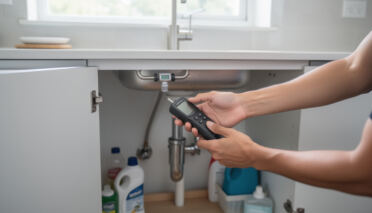
- Leak Detection Needed: If you suspect hidden leaks behind walls or under floors, a licensed plumber can help with specialized leak detection equipment.
Hiring a plumber won’t just ensure a quick fix; it also gives peace of mind that the work has been done right. If you find yourself in Brevard County needing plumbing services, you can rely on local experts who have the necessary tools and experience to handle your specific needs. Companies like Doug Herrell Plumbing offer a range of services catering to various plumbing issues.
FAQ
How do I know if I need to replace my tap?
If your tap continues to leak even after replacing washers or cartridges, or if you notice corrosion, it may be time for a replacement.
Can I fix a leaking tap without professional help?
Yes! Many leaks can be fixed with basic tools and steps, making it a manageable DIY task.
What tools do I need to fix a bathroom tap?
You will need wrenches, screwdrivers, replacement parts, plumber’s grease, and a cloth for easy cleaning.
Are there specific parts for different brand taps?
Yes, brands like Moen, Delta, and Kohler often require proprietary parts for replacements.
How can I prevent future leaks?
To prevent leaks, ensure proper installation, avoid over-tightening, and regularly clean your taps.