Dealing with a clogged bathtub drain? It can turn your relaxing bath into an impromptu swimming pool experience. In today’s eco-conscious world, many are seeking natural remedies that are both effective and safe for plumbing systems. This article explores various methods to clear a clogged bathtub drain without resorting to harsh chemicals, ensuring you can enjoy that soothing soak in peace.
Brief
- 🚿 Natural methods for unclogging your bathtub drain.
- 🧺 Tools and materials needed for successful unclogging.
- ♻️ Eco-friendly options including baking soda and vinegar.
- 🧪 Effective homemade solutions to avoid harmful chemicals.
- 🔧 Important precautions to maintain plumbing health.
Identify the Cause of Your Clogged Bathtub Drain
Before diving into solutions, it’s crucial to understand what might be causing the clog. Specifically, bathtub drains often get backed up by hair, soap residue, and mineral deposits. Hair is the primary culprit, gradually accumulating in the drain and forming a blockage that not only causes slow drainage but can also lead to unpleasant odors. The *soap residue*, made from fats and oils, can build up, creating a scummy layer along the inner walls of the pipes. And then there’s the *mineral buildup* that arises from hard water, which can exacerbate the issue.
Let’s break it down further:
- Hair: Usually found at the drain opening and main pipe, it forms tangled clumps that trap other debris.
- Soap Scum: A mixture of fats and minerals that adhere to the inside of pipes, making them narrower over time.
- Mineral Deposits: Resulting from hard water, these substances accumulate and restrict flow, leading to clogs.
Recognizing these causes will not only help in unclogging but also assist in preventing future blockages. For instance, investing in a simple hair strainer can significantly reduce the number of hair strands that make it down your drain.
Gather Your Tools and Materials
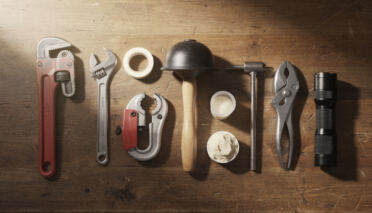
To tackle a clogged bathtub drain effectively, a few basic tools and materials are needed. Here’s a handy list:
- 🔧 Wire hanger: Modified into a hook to fish out clogs.
- 🧤 Rubber gloves: Protects your hands while cleaning.
- 🔪 Utility knife: For cutting through tough clumps of hair.
- 🧼 Dish soap: A natural lubricant to help break down grease and debris.
- 🧴 Baking soda & vinegar: A powerful duo for clearing minor clogs.
- 💧 Hot water: Helps dissolve clogs and flush debris.
Having these materials on hand can make the process smoother and quicker. Try to avoid commercial chemical cleaners like *Drano* or *Green Gobbler*, as they can harm both your plumbing and the environment. Instead, embracing natural alternatives will not only save your pipes but also keep harmful substances away from your home.
Step-by-Step Natural Unclogging Methods
Now that you’ve gathered your tools, it’s time to roll up your sleeves and get to work! Follow these steps for effective unclogging:
1. Remove the Drain Cover
If your bathtub has a drain cover, removing it is the first step. Make sure to find the right screwdriver (most often a Phillips head) and carefully unscrew it. Once removed, you’ll have direct access to the clog.
2. Use a Hook
With the drain opened, take your wire hanger and create a small hook at one end. Slide it into the drain and once you feel resistance, it’s likely a clump of hair or debris. Carefully hook and pull it out. Dispose of the debris into a trash bag.
3. Flush with Hot Water
After removing visible clogs, it’s time to flush the drain. Pour hot water down the drain gradually. If you have metal pipes, boiling water works great, but for PVC pipes, stick to hot tap water.
4. Baking Soda and Vinegar Magic
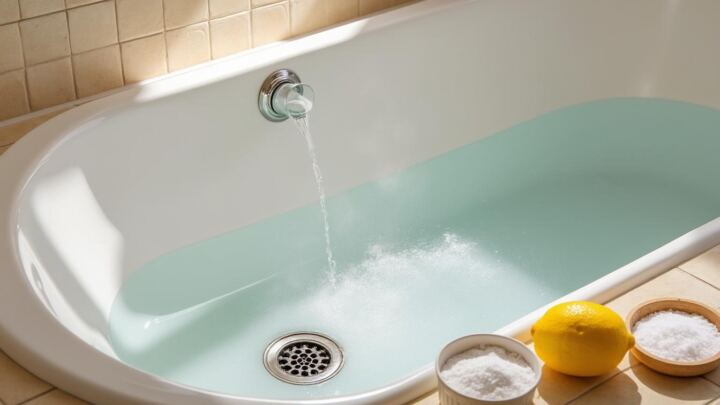
If the clog persists, opting for a baking soda and vinegar solution is a great natural method. Here’s how to do it:
- Pour about ½ cup of baking soda down the drain.
- Follow it up with ½ cup of white vinegar.
- Cover the drain with a towel to keep the fizzing reaction contained for at least 30 minutes.
- Rinse with hot water to clear the remaining residue.
5. Dish Soap and Hot Water
Another way to effectively break down grease-related clogs is by using dish soap. Pour about ¼ cup of liquid dish soap into the drain followed by a bucket of hot water. The soap works to lubricate the pipes and dissolve any oily residue.
Long-Term Prevention Tips for a Healthy Drain
To keep your bathtub drain in ideal condition and reduce the likelihood of clogs in the future, consider adopting the following habits:
- 🧼 Regular cleaning: Performing maintenance by flushing the drain with hot water mixed with vinegar monthly can keep it clear.
- 🧤 Use drain covers: These prevent hair and larger debris from entering the drain.
- 🚿 Avoid rinsing soap and oils: Be mindful of what goes down the drain; rinse off excess soap and oils in the sink, not in the tub.
- ♻️ Natural cleaners: Utilize eco-friendly options like *Mrs. Meyer’s*, *Seventh Generation*, and *Method* regularly to maintain clean pipes.
Implementing these tips will keep your bathtub drain functioning correctly and extend the life of your plumbing. It’s about making small adjustments to your routine that can lead to significant benefits over time.
Effective Tools for Deeper Clogs
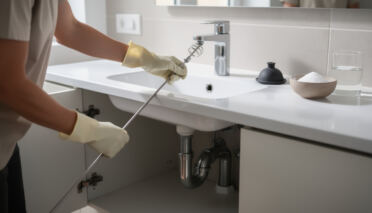
If natural methods fail or if a clog seems particularly stubborn, you might want to consider some additional tools that can help clear deeper clogs. A drain snake or auger can reach further into the pipes than a standard hook. Here’s a brief overview of tools you might employ:
| Tool | Use | Where to Buy |
|---|---|---|
| Drain Snake 🐍 | Allows you to reach deeper clogs in the drain. | Hardware stores, online retailers |
| Plunger 🚰 | Creates a vacuum effect to dislodge clogs. | Home improvement stores |
| Wet/Dry Vacuum 🧹 | Absorbs large clumps from drains… | Online, hardware stores |
Using these tools in combination with the natural remedies can lead to a more thorough and effective unclogging experience.
What should I do if a natural method doesn’t work?
If natural methods fail, consider using a drain snake or calling a plumber for deeper clogs.
Can baking soda and vinegar unclog any drain?
Baking soda and vinegar can clear many small clogs, but for larger blockages, stronger methods may be needed.
How often should I clean my bathtub drain?
It’s advisable to clean your drain at least once a month to prevent buildup.
What are the best eco-friendly drain cleaners?
Options like *Ecover*, *Arm & Hammer*, and *Bio-Clean* provide eco-friendly cleaning solutions.
Is using a commercial cleaner safe for my pipes?
Not all commercial cleaners are safe; many contain harsh chemicals that can damage pipes over time.